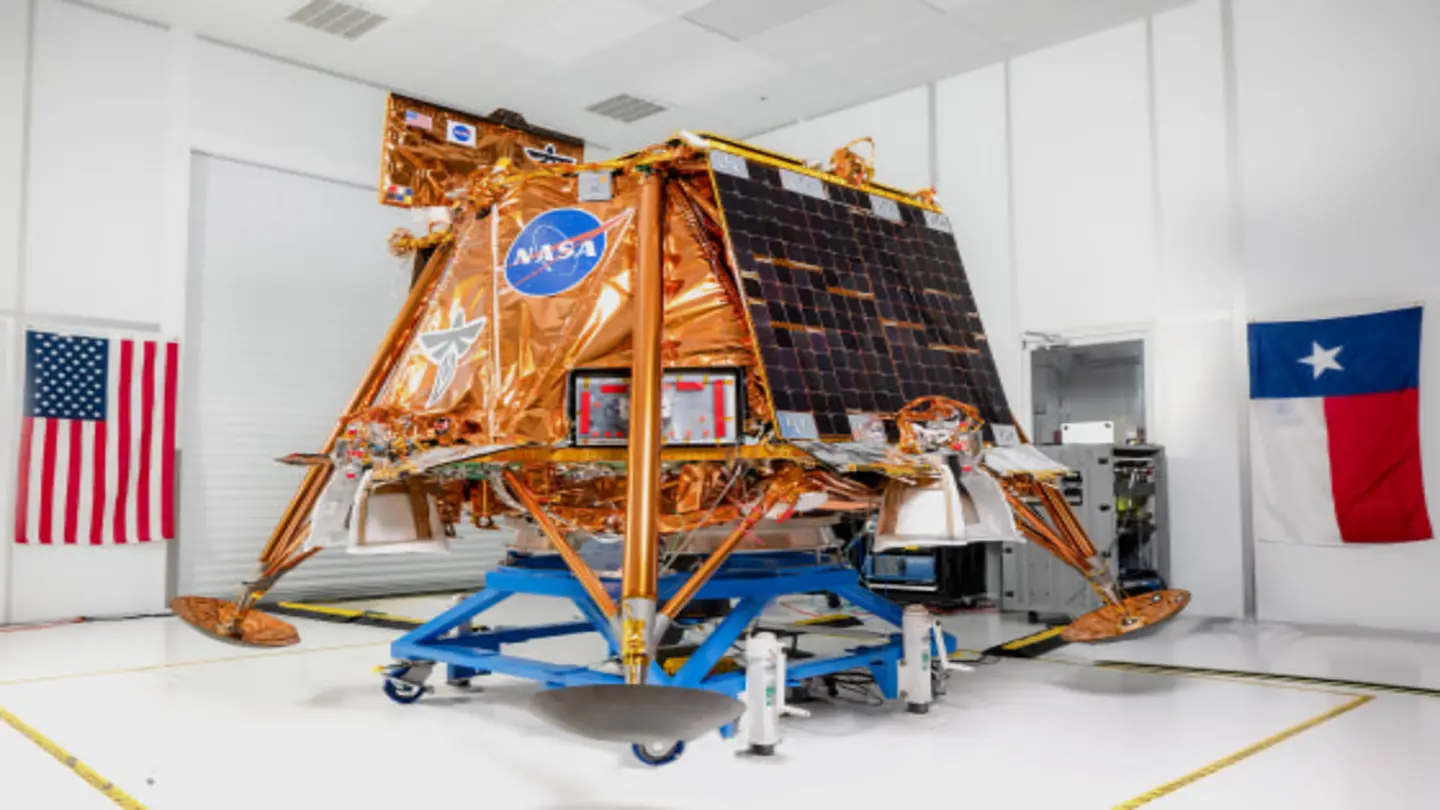
NASA is planning a new mission, the Lunar Trailblazer, set to launch in 2024, that promises to provide unprecedented insights into the lunar far side – a region largely unexplored and shrouded in mystery. Unlike the Apollo missions which focused on relatively accessible areas, Trailblazer aims to map the distribution of water ice, volatile compounds, and assess the lunar surface’s thermal properties, potentially revealing resources missed by previous explorations.
The mission’s primary instrument is a suite of spectrometers designed to detect the subtle spectral signatures of water molecules. These instruments will operate in both the visible and infrared wavelengths, allowing scientists to determine not only the presence of water but also its concentration and form. This is crucial for understanding the lunar water cycle and its potential use as a resource for future lunar settlements.
Unveiling the Permanently Shadowed Regions
A key focus of Lunar Trailblazer will be the permanently shadowed regions (PSRs) located at the lunar poles. These areas, never exposed to direct sunlight, are believed to harbor significant quantities of water ice, accumulated over billions of years. Confirming and quantifying this ice is a top priority for NASA, as it could be a vital source of water, oxygen, and even rocket fuel for astronauts.
The Apollo missions, while groundbreaking, were limited by their landing sites and the technology available at the time. They provided valuable data about the near side of the Moon, but the far side remained largely a blank slate. Lunar Trailblazer, with its advanced instrumentation and orbital perspective, will be able to survey a much larger area, including regions inaccessible to landers.
The mission isn’t solely about finding water. It will also investigate the lunar surface’s thermal environment, mapping temperature variations across the far side. This information is critical for understanding how water ice is preserved in PSRs and for identifying potential landing sites for future missions. The data will also help scientists understand the broader lunar climate and its evolution over time.
Furthermore, Lunar Trailblazer will contribute to our understanding of the Moon’s formation and its relationship to the Earth. The composition of the lunar far side is thought to be different from the near side, potentially offering clues about the Moon’s early history. By analyzing the spectral data, scientists hope to unravel some of these mysteries.
The mission’s relatively low cost – estimated at around $500 million – makes it an attractive option for maximizing scientific return. It leverages existing technologies and a streamlined mission design to achieve ambitious goals. The data collected by Lunar Trailblazer will be publicly available, fostering collaboration among researchers worldwide and accelerating the pace of lunar exploration. This mission represents a significant step forward in our quest to understand the Moon and its potential as a stepping stone for future space exploration.
Ultimately, Lunar Trailblazer aims to pave the way for a sustainable human presence on the Moon, by identifying and characterizing the resources necessary to support long-duration missions and potential lunar settlements. The findings will be instrumental in planning future missions, including those associated with NASA’s Artemis program.
Image Source: Google | Image Credit: Respective Owner