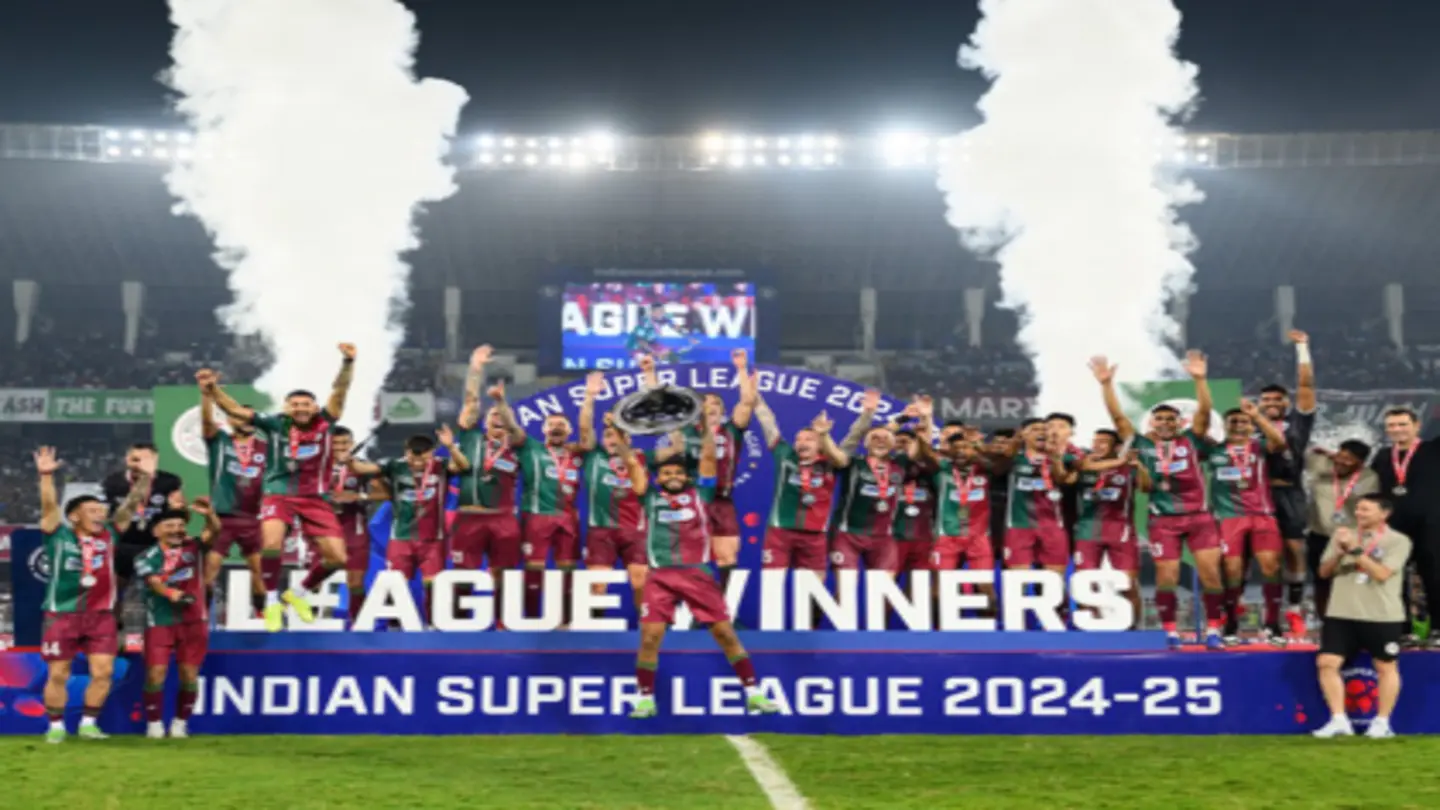
The future of the Indian Super League (ISL) hangs in the balance as clubs await a crucial decision from the Asian Football Confederation (AFC) regarding the league’s proposed merger with the I-League. The AFC’s stance will ultimately determine whether the two top tiers of Indian football consolidate into a single, unified league structure, a move long advocated for by many within the sport.
Currently, the ISL is recognized as the top-tier league, while the I-League operates as the second division. The proposed merger aims to create a more competitive and sustainable football ecosystem in India, addressing issues of fragmentation and limited opportunities for players. However, the path to unification has been fraught with complexities, primarily concerning the criteria for participation and the overall league structure.
Several ISL clubs have expressed reservations about the AFC’s initial conditions for the merger, which reportedly included a requirement for clubs to meet stringent licensing criteria and potentially face relegation based on performance. These concerns stem from the significant investments made by ISL clubs in infrastructure, player development, and marketing, and a reluctance to risk their positions based on a system they perceive as unfair.
The All India Football Federation (AIFF), the governing body for football in India, has been mediating between the ISL and the AFC to find a mutually acceptable solution. The AIFF is keen to implement a roadmap for Indian football that aligns with the AFC’s vision for long-term growth and competitiveness. A unified league is seen as a vital step towards achieving this goal, potentially attracting greater investment, improving the quality of play, and enhancing India’s prospects on the international stage.
AFC’s Role and Potential Outcomes
The AFC’s decision is pivotal because its approval is essential for the merger to proceed. The confederation wants to ensure that any unified league meets its standards for professionalism, financial stability, and sporting integrity. The AFC is also mindful of the need to protect the interests of all stakeholders, including clubs, players, and fans.
If the AFC approves the merger with conditions that are deemed acceptable by the ISL clubs, the process of unification could begin relatively quickly. This would likely involve a restructuring of the league, with a clear pathway for promotion and relegation between the top tier and any lower divisions. However, if the AFC’s conditions are considered too onerous, the merger could be delayed indefinitely, or even abandoned altogether.
The delay is causing uncertainty within the league, impacting player transfers and long-term planning. Clubs are hesitant to make significant investments until the future structure of the league is clarified. The AIFF is reportedly working to address the concerns of the ISL clubs and present a revised proposal to the AFC that balances the need for unification with the protection of existing investments.
The outcome of this situation will have far-reaching consequences for the future of Indian football. A successful merger could pave the way for a more vibrant and competitive league, while a failure to reach an agreement could perpetuate the existing fragmentation and hinder the sport’s progress. The coming weeks are crucial as the ISL clubs and the AIFF await the AFC’s final verdict.
Image Source: Google | Image Credit: Respective Owner