Samsung is laying the groundwork for a significant expansion of its audio ecosystem, targeting a 2026 rollout of new technologies and designs. The company’s vision centers around creating a more seamless and intelligent audio experience, moving beyond individual devices to a connected system that adapts to user needs and environments.
A core element of Samsung’s strategy is enhanced multi-device sound capabilities. The company is focusing on technologies that allow audio to intelligently transition between different Samsung devices – smartphones, TVs, soundbars, and potentially even appliances – without interruption. This aims to provide a consistent and immersive soundscape as users move throughout their homes. Details remain scarce, but the implication is a more sophisticated version of existing features like Auto Switch, which currently allows audio to automatically switch to the nearest active device.
Beyond connectivity, Samsung is prioritizing immersive audio experiences. This includes advancements in spatial audio technologies, potentially building upon existing Dolby Atmos and DTS:X support. The company is also exploring new acoustic designs and materials to improve sound quality and create a more enveloping listening experience. Expect to see innovations in soundbar design, potentially incorporating more advanced driver configurations and processing algorithms.
New Design Language
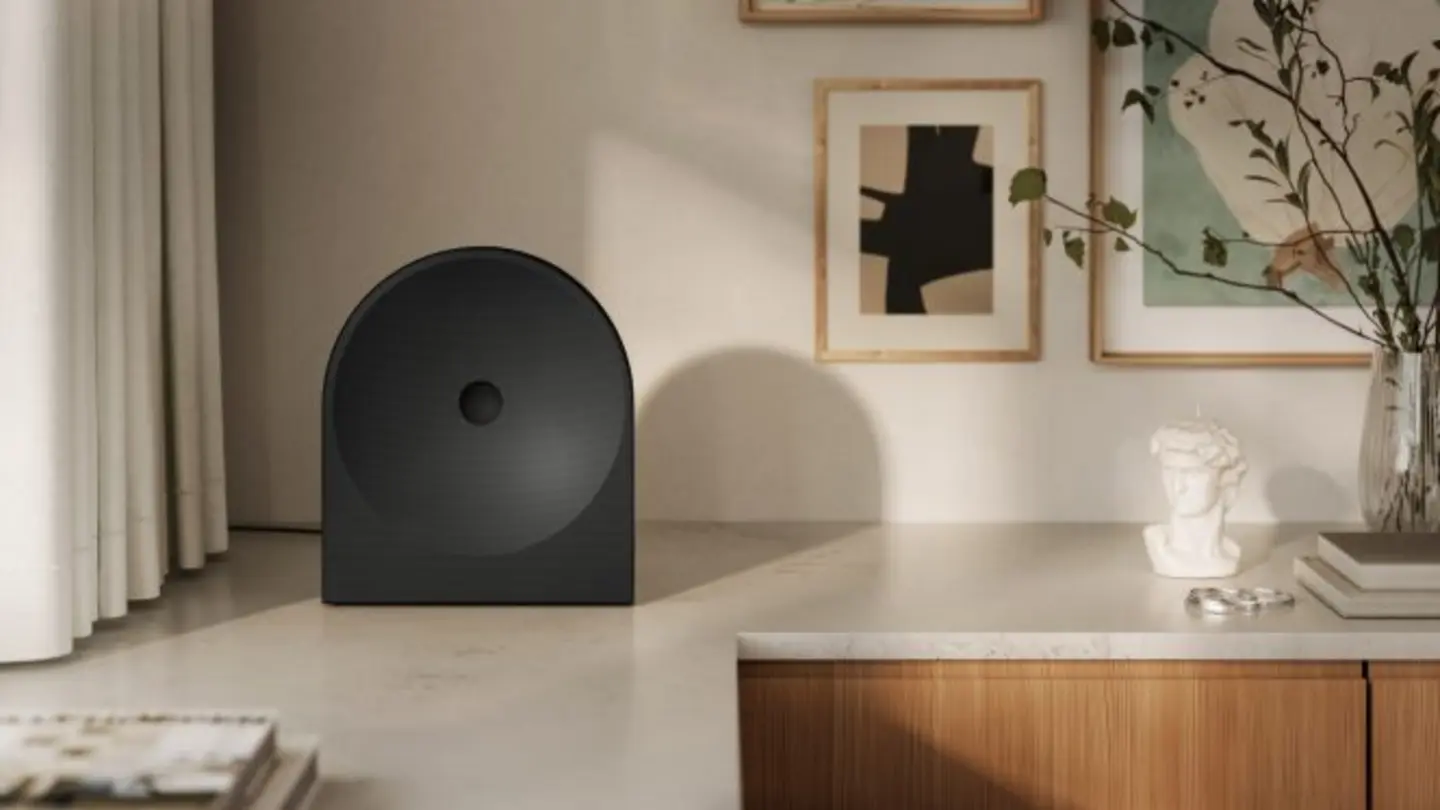
Aesthetic considerations are also paramount. Samsung is signaling a shift towards more innovative and visually appealing designs for its audio products. The company is reportedly experimenting with new materials, shapes, and finishes to create products that seamlessly integrate into modern living spaces. This move aligns with Samsung’s broader design philosophy, which emphasizes minimalism and elegance. The goal is to move beyond the traditional “black box” aesthetic often associated with audio equipment.
Samsung’s 2026 audio roadmap also includes a focus on artificial intelligence (AI). AI is expected to play a crucial role in optimizing sound settings based on the content being consumed, the user’s listening preferences, and the acoustic characteristics of the room. This could involve features like automatic equalization, dynamic range compression, and voice enhancement. Furthermore, AI could be used to personalize the audio experience for individual users, learning their preferences over time.
The company is also likely to integrate its audio products more closely with its SmartThings platform, enabling users to control their entire audio ecosystem from a single app. This would allow for features like multi-room audio, synchronized playback, and automated routines. The emphasis on integration suggests Samsung views its audio products as a key component of its broader smart home strategy.
While specific product details are still under wraps, Samsung’s announcement signals a significant investment in the future of audio. The company is positioning itself to capitalize on the growing demand for high-quality, immersive, and connected audio experiences. The 2026 timeframe suggests that these innovations are still in the development phase, but the company is clearly laying the foundation for a major push in the years to come. The focus on smarter, more adaptable audio systems indicates a move towards a more user-centric and intuitive audio experience.
Image Source: Google | Image Credit: Respective Owner