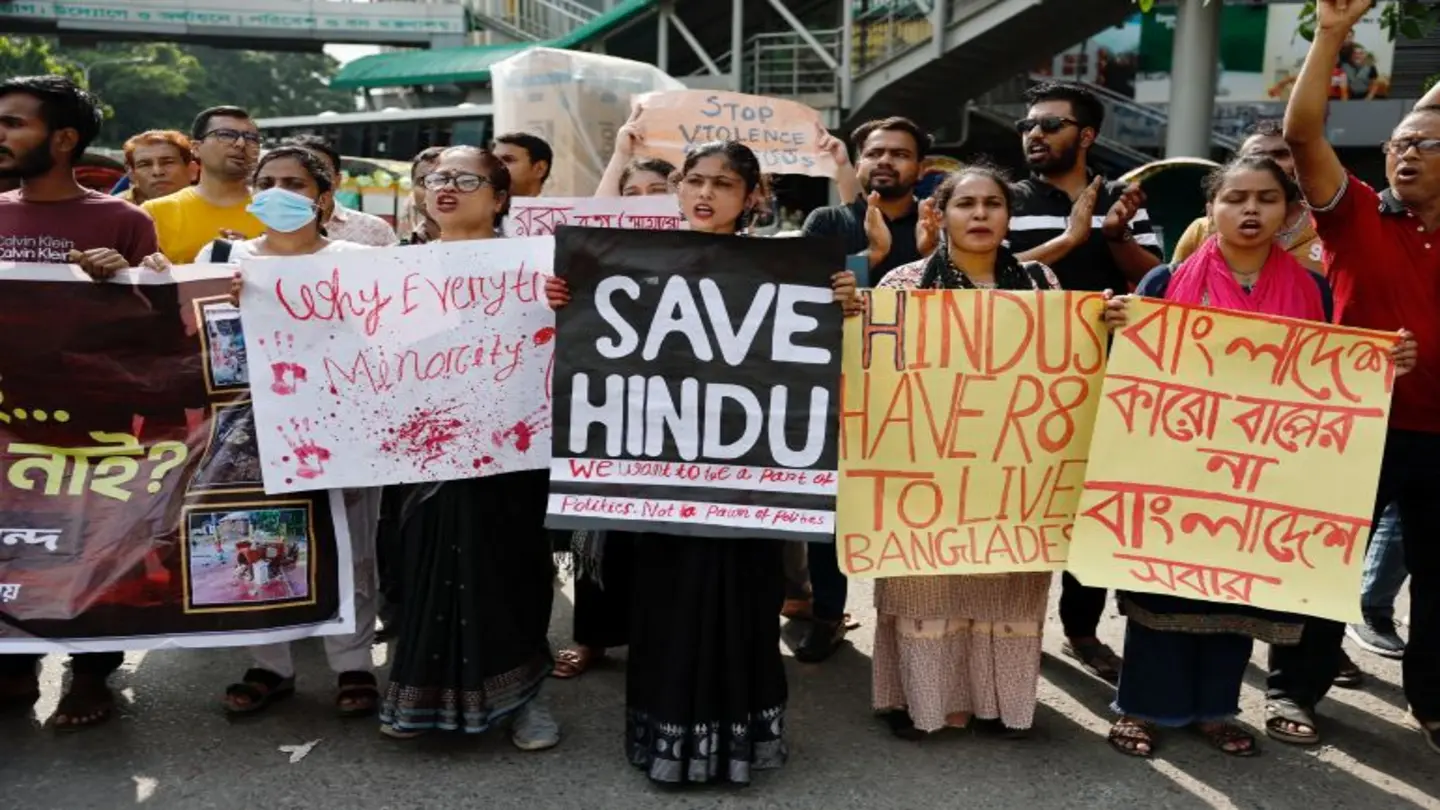
Dhaka has characterized recent attacks on religious minorities as “isolated criminal incidents,” downplaying concerns raised by India regarding “unremitting hostilities” against them. The response comes following a strongly worded statement from the Indian Ministry of External Affairs expressing worry over the safety of Hindus and other minority communities in Bangladesh, particularly during the recent parliamentary elections.
India’s statement highlighted reports of attacks on temples, properties of minorities, and instances of violence, urging Bangladeshi authorities to ensure the safety and security of all citizens. The concerns were amplified by reports from human rights organizations and media outlets detailing a surge in post-election violence targeting minority groups.
Bangladesh’s foreign ministry, however, refuted the claims of widespread hostility. In a statement released on Wednesday, it asserted that the incidents were not communal in nature and were dealt with promptly by law enforcement. The ministry emphasized Bangladesh’s commitment to upholding secular principles and protecting the rights of all its citizens, regardless of their faith.
“Bangladesh firmly believes that these incidents were isolated and spontaneous, perpetrated by individuals with criminal intent, and not driven by any communal or religious motives,” the statement read. It further added that the government is committed to investigating the incidents and bringing the perpetrators to justice.
Political Context
The recent tensions stem from the January 7th parliamentary elections, which saw a landslide victory for Prime Minister Sheikh Hasina’s Awami League. The opposition Bangladesh Nationalist Party (BNP) alleges widespread irregularities and has called for a boycott of the parliament. The BNP has also accused the Awami League of using state machinery to suppress dissent and target its supporters, many of whom belong to minority communities.
Reports suggest that many Hindus, fearing retribution for allegedly supporting the BNP, have fled their homes in certain districts. The Indian government’s concern is also rooted in the potential for a refugee influx into India if the situation deteriorates further. The border regions between the two countries are already sensitive, and a large-scale displacement could strain resources and exacerbate existing tensions.
Diplomatic sources indicate that India has conveyed its concerns directly to Bangladesh through official channels. While Dhaka has acknowledged the concerns, it maintains its stance that the incidents are isolated and do not represent a systemic pattern of persecution. The situation remains fluid, and further dialogue between the two countries is expected to address the issue and prevent any escalation.
Several international human rights organizations have criticized Bangladesh’s response, calling for a more thorough and impartial investigation into the allegations of violence against minorities. They argue that the government’s downplaying of the situation could embolden perpetrators and create a climate of impunity. The organizations have urged Bangladesh to take concrete steps to protect minority communities and ensure their full participation in the political and social life of the country. The long-term impact of these events on the relationship between India and Bangladesh remains to be seen.
Image Source: Google | Image Credit: Respective Owner