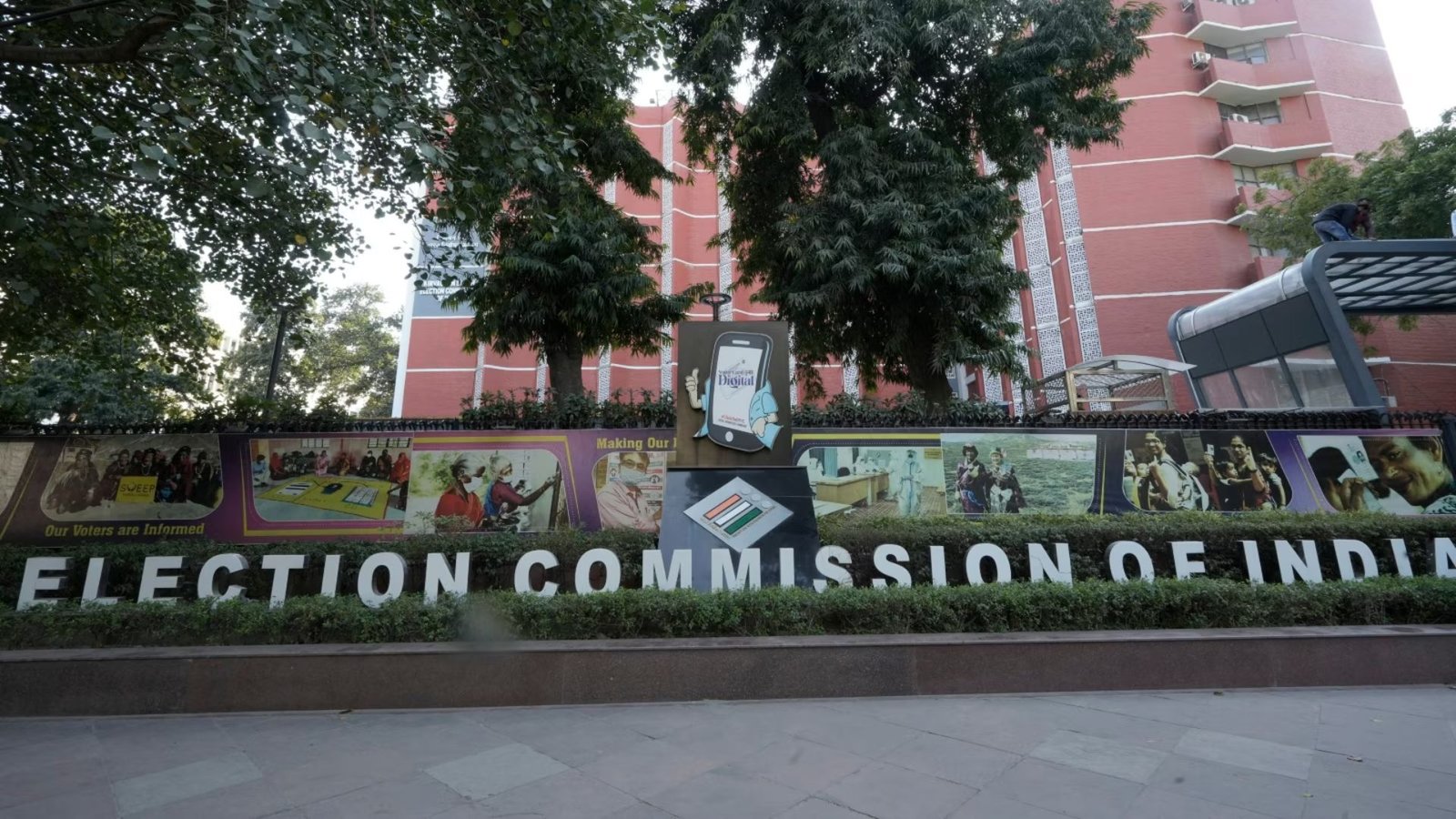
The Election Commission of India (ECI) has conditionally halted hearings for individuals declared as ‘non-family/non-LPR’ (locally permanent residents) in West Bengal, a move impacting a significant number of voters ahead of the Lok Sabha elections. The decision comes after concerns were raised regarding the large-scale discrepancies and potential for manipulation in the process of identifying and hearing these voters.
The ECI’s order, issued on April 2nd, directs district magistrates to immediately cease the hearings. However, it stipulates that the process can resume only after specific conditions are met. These conditions include the presence of a General Observer during each hearing, videographic recording of the entire proceedings, and the implementation of a standardized format for recording observations and decisions.
The issue arose from a preliminary survey conducted by the ECI, which identified a substantial number of voters – over 900,000 in some estimates – who were flagged as not having a verifiable family connection or local address. These voters were then required to attend hearings to prove their eligibility to vote in their current constituency. Opposition parties, particularly the Trinamool Congress, alleged that the process was being used to disenfranchise legitimate voters, especially those belonging to minority communities and those who had recently migrated for work.
The ECI initially defended the process as a necessary step to cleanse the electoral rolls and prevent potential electoral malpractices. However, the sheer scale of the number of voters involved and reports of inconsistencies in the application of the criteria prompted a review. Concerns were also raised about the lack of transparency and the potential for bias in the hearings conducted by local officials.
Political Fallout
The suspension of hearings has triggered a political storm in West Bengal. The Trinamool Congress has welcomed the ECI’s decision, calling it a victory for democracy. Party leaders have accused the Bharatiya Janata Party (BJP) of orchestrating the voter verification drive to suppress opposition votes. The BJP, on the other hand, has maintained that the ECI’s actions are justified and necessary to ensure free and fair elections.
The ECI’s move is being seen as an attempt to address the concerns raised by various stakeholders and restore confidence in the electoral process. By mandating the presence of General Observers and videographic recording, the Commission aims to ensure greater transparency and accountability in the hearings. The standardized format for recording observations is intended to minimize subjective interpretations and ensure consistency in decision-making.
The resumption of hearings will be closely watched by all political parties and civil society organizations. The ECI will need to demonstrate that the revised process is fair, impartial, and respects the fundamental right of every eligible citizen to vote. The outcome of these hearings could significantly impact the electoral landscape in West Bengal, which is a crucial state in the upcoming Lok Sabha elections. The Commission has emphasized its commitment to upholding the integrity of the electoral process and ensuring that all eligible voters are able to exercise their franchise without fear or intimidation.
Image Source: Google | Image Credit: Respective Owner