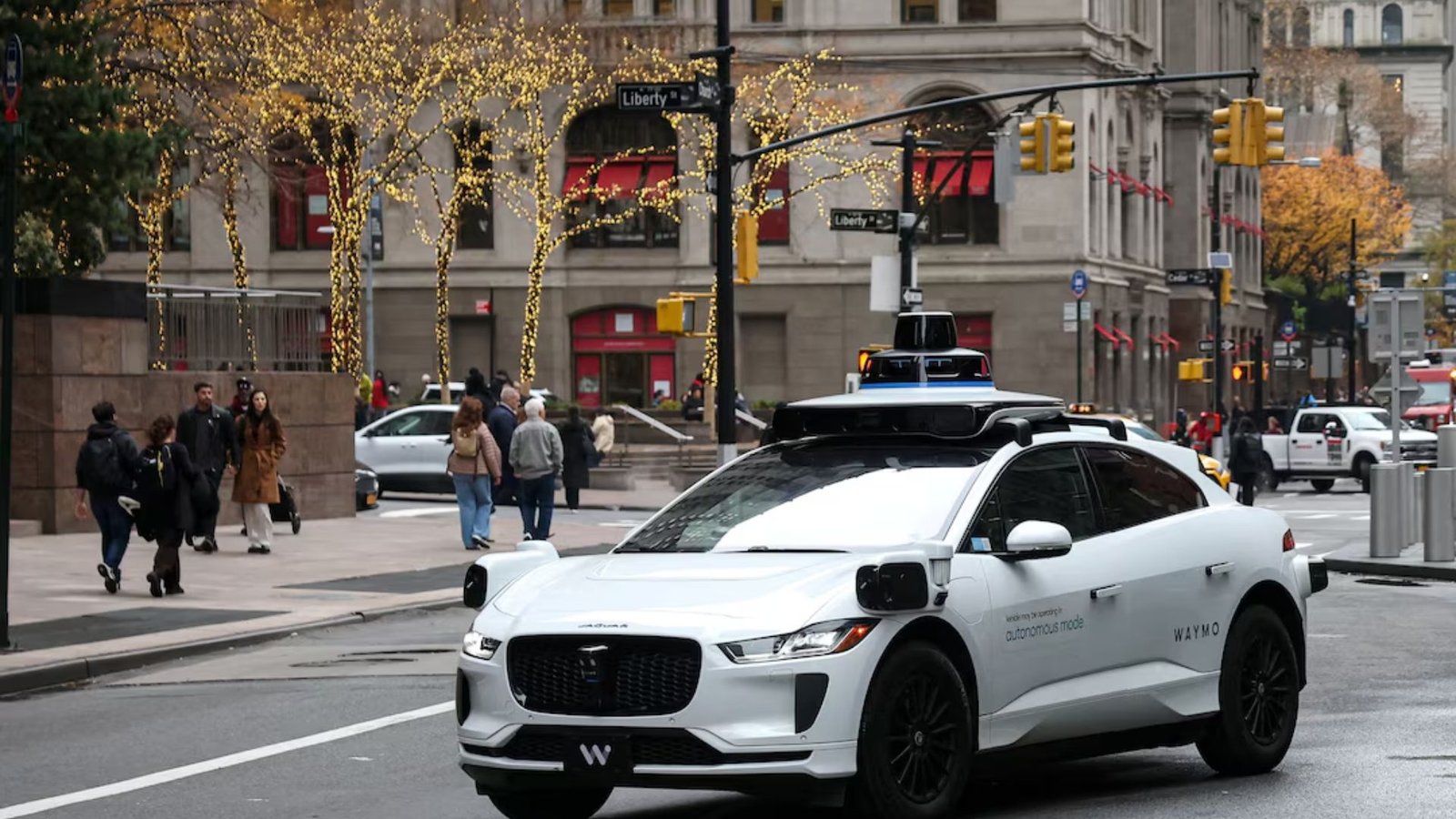
Waymo, Alphabet’s autonomous driving technology company, experienced a significant outage in San Francisco this week, impacting its robotaxi service and raising concerns about the reliability of such systems during real-world crises. The incident, which occurred on Wednesday, involved a large number of Waymo vehicles simultaneously becoming unresponsive, effectively halting operations in a substantial portion of the city.
Reports indicate that the outage stemmed from a software glitch triggered by a large public event – a pop-up concert – that overwhelmed the system with a high volume of similar signals. This caused the vehicles to interpret the event as a widespread issue requiring them to pull over and await remote assistance. While Waymo was able to remotely reboot the vehicles and restore service within a few hours, the incident highlighted a critical vulnerability in the system’s ability to differentiate between genuine emergencies and unusual, but harmless, occurrences.
The San Francisco Municipal Transportation Agency (SFMTA) is currently investigating the incident, seeking a detailed explanation from Waymo regarding the cause of the outage and the steps being taken to prevent similar occurrences in the future. This scrutiny comes at a sensitive time for Waymo, as the company is actively seeking to expand its robotaxi service to other cities and gain wider public acceptance of autonomous vehicles.
Critics argue that the outage demonstrates a lack of robustness in Waymo’s software and a potential safety risk. The simultaneous failure of multiple vehicles could create significant traffic disruptions and potentially hinder emergency services. The incident fuels the debate about the readiness of robotaxis to operate safely and effectively in complex urban environments, particularly during large-scale events or unforeseen circumstances.
Waymo maintains that the vehicles responded as designed, prioritizing safety by pulling over when encountering an ambiguous situation. The company emphasizes that no accidents or injuries were reported during the outage. However, experts point out that relying on a “safe shutdown” as a default response isn’t a sustainable solution, as it effectively disables the service and negates the benefits of autonomous driving.
Addressing the Vulnerability
The challenge for Waymo and other autonomous vehicle developers lies in creating software that can accurately interpret sensor data and make informed decisions in a wide range of scenarios. This requires sophisticated algorithms, extensive testing, and the ability to learn from real-world events. The recent outage underscores the need for more robust and adaptable systems that can handle unexpected situations without compromising safety or service availability.
Moving forward, Waymo will likely need to refine its software to better filter out extraneous signals and improve its ability to distinguish between genuine emergencies and temporary anomalies. This could involve incorporating more contextual awareness into the system, such as real-time information about events happening in the surrounding area. Furthermore, enhanced remote monitoring and control capabilities will be crucial for quickly diagnosing and resolving any future issues that may arise.
The incident serves as a valuable lesson for the entire autonomous vehicle industry, highlighting the importance of rigorous testing and continuous improvement in the pursuit of safe and reliable self-driving technology. The public’s trust in robotaxis hinges on their ability to operate consistently and predictably, even in the face of unexpected challenges.
Image Source: Google | Image Credit: Respective Owner