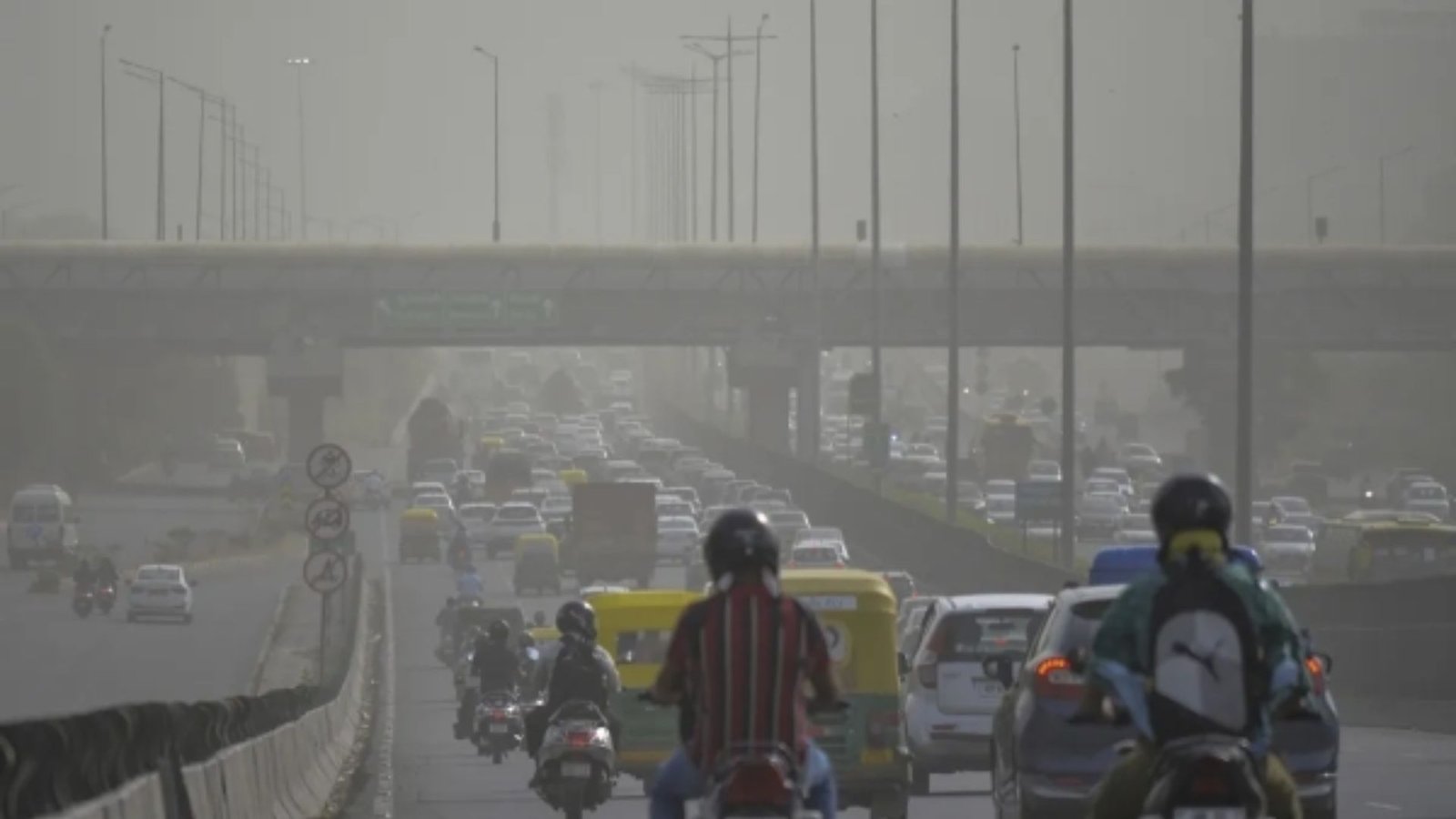
Delhi’s Transport Minister, Kailash Gahlot, announced on Friday that the restrictions on older, polluting vehicles will become permanent, and fuel will be provided only to vehicles with valid Pollution Under Control Certificates (PUCC). This decision marks a significant escalation in the city’s battle against air pollution, a persistent and critical issue, particularly during the winter months.
The initial restrictions, implemented as temporary measures during periods of high pollution, involved banning vehicles that do not meet the BS6 emission standards. These standards, equivalent to Euro 6, were fully implemented across India in 2020 and represent a substantial improvement in vehicle emission control. Vehicles older than ten years (diesel) and fifteen years (petrol) were particularly targeted.
Gahlot stated that the government has observed a positive impact on air quality during the periods when these restrictions were in place. The permanent ban aims to sustain these improvements and further reduce the levels of harmful pollutants in the city’s air. The move is expected to affect a large number of commercial vehicles, including trucks and buses, as well as older private cars.
The requirement for a valid PUCC for fuel dispensing will be strictly enforced. Fuel pump operators will be responsible for verifying the certificate before allowing vehicles to refuel. The government has not yet announced the penalties for non-compliance, but officials have indicated that they will be substantial enough to deter violations. This aspect of the policy is intended to ensure that all vehicles on the road are regularly checked for emissions and are meeting the required standards.
Impact and Concerns
While environmental groups have largely welcomed the decision, citing the urgent need to address Delhi’s air pollution crisis, some concerns have been raised by vehicle owners and transport operators. Many argue that replacing older vehicles with newer, BS6-compliant models is financially burdensome, especially for small businesses and individuals with limited resources. The government has been urged to provide financial assistance or incentives to help vehicle owners transition to cleaner alternatives.
The Delhi government is also working on expanding the city’s public transportation network, including the Delhi Metro and bus services, to provide viable alternatives to private vehicles. This expansion is seen as crucial to mitigating the impact of the vehicle ban, particularly on commuters who rely on personal transportation. Furthermore, the government is promoting the adoption of electric vehicles (EVs) through subsidies and the development of charging infrastructure.
The implementation of this policy will be closely monitored by environmental agencies and the public. The effectiveness of the ban in reducing air pollution will be assessed based on air quality data collected from various monitoring stations across the city. The government has also pledged to address any unforeseen challenges that may arise during the implementation process and to make adjustments as needed.
This decision aligns with the broader national efforts to improve air quality and reduce carbon emissions. The Indian government has been actively promoting the adoption of cleaner fuels and technologies, and the Delhi government’s move is seen as a significant step in that direction. The long-term goal is to create a cleaner, healthier environment for all residents of the capital city.
Image Source: Google | Image Credit: Respective Owner