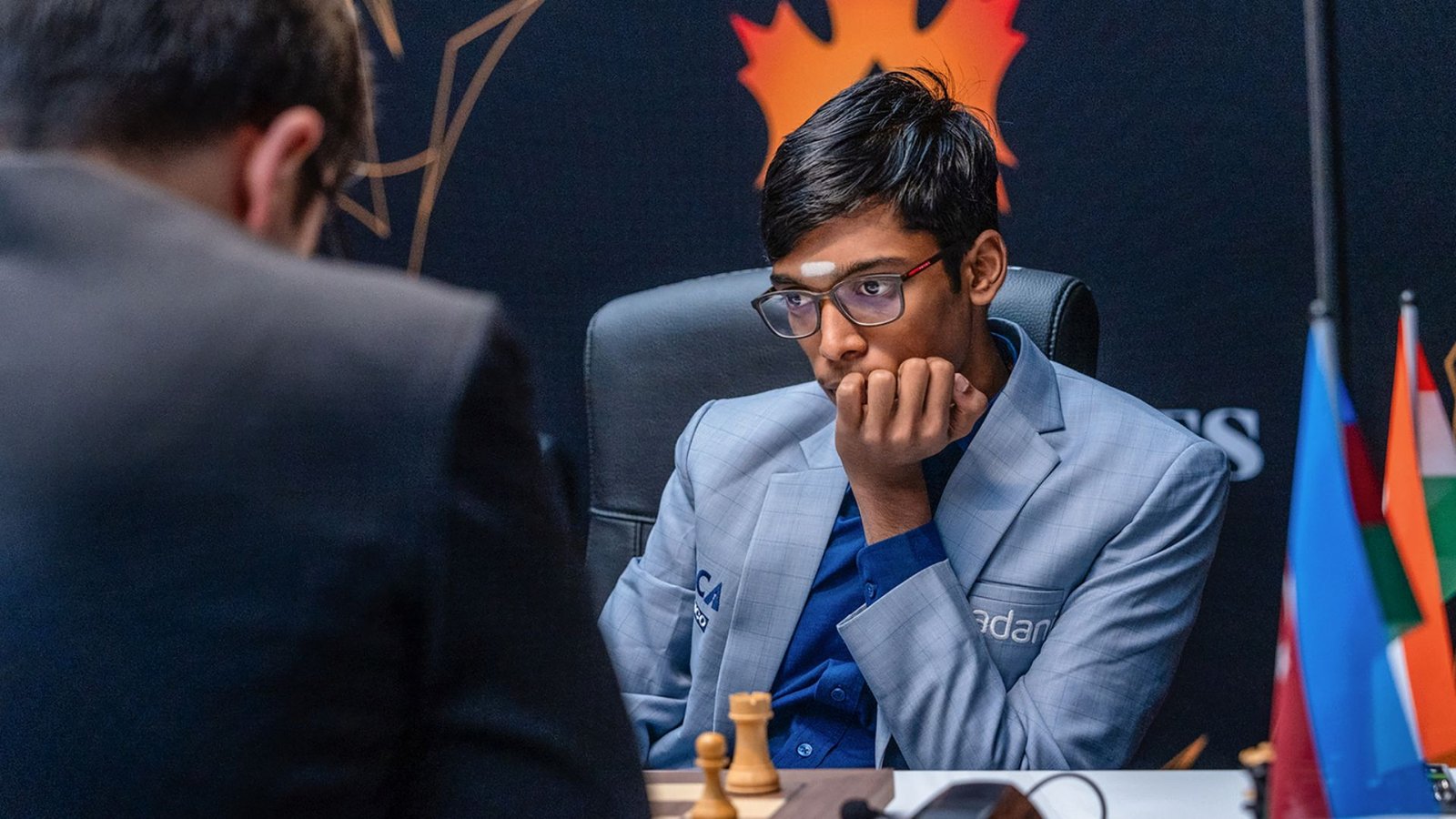
The World Rapid and Blitz chess championships in Samarkand, Uzbekistan, have witnessed a stunning turn of events, with R. Praggnanandhaa, the rising Indian Grandmaster, experiencing a shock defeat at the hands of his former coach, K. Visweswaran. The unexpected outcome has sent ripples through the chess community, highlighting the unpredictable nature of the sport and the enduring impact of coaching relationships.
Visweswaran, who previously guided Praggnanandhaa during his formative years, demonstrated remarkable resilience and tactical prowess to overcome the young prodigy. While the specifics of their past collaboration remain largely private, the victory clearly held significant emotional weight for Visweswaran, marking a substantial comeback on the international stage.
Praggnanandhaa, having recently achieved notable success including a finalist berth in the Chess World Cup, entered the tournament as a strong contender. His dynamic playing style and sharp calculation skills have earned him a reputation as one of the most exciting talents in modern chess. However, against his former mentor, he appeared uncharacteristically off-balance, struggling to find his rhythm and capitalize on opportunities.
The match unfolded with Visweswaran employing a solid and strategic approach, effectively neutralizing Praggnanandhaa’s attacking threats. He capitalized on subtle inaccuracies in his opponent’s play, gradually building a positional advantage that ultimately proved decisive. The victory wasn’t a flashy checkmate, but a testament to consistent, accurate chess.
Impact of the Upset
This result is particularly noteworthy given the student-teacher dynamic. It underscores the fact that even the most gifted players can be outmaneuvered by experienced opponents who possess a deep understanding of their game. The psychological aspect of facing a former coach, who knows one’s strengths and weaknesses intimately, likely played a role in Praggnanandhaa’s performance.
Chess analysts suggest that Visweswaran’s intimate knowledge of Praggnanandhaa’s thought processes allowed him to anticipate his moves and prepare accordingly. This isn’t simply about knowing opening preferences; it’s about understanding how a player reacts under pressure, their typical middlegame plans, and their endgame tendencies.
The upset serves as a valuable learning experience for Praggnanandhaa. It highlights the importance of adaptability, mental fortitude, and continuous improvement, even after achieving significant milestones. He will undoubtedly analyze the game meticulously to identify areas where he can refine his skills and strengthen his game.
Visweswaran’s victory is a reminder that age is no barrier to success in chess. His ability to compete at the highest level demonstrates the enduring power of experience, dedication, and a passion for the game. The win is likely to inspire other veteran players to continue pursuing their chess ambitions. The World Rapid and Blitz championships continue to deliver thrilling moments, proving that chess remains a captivating and unpredictable sport.
Image Source: Google | Image Credit: Respective Owner