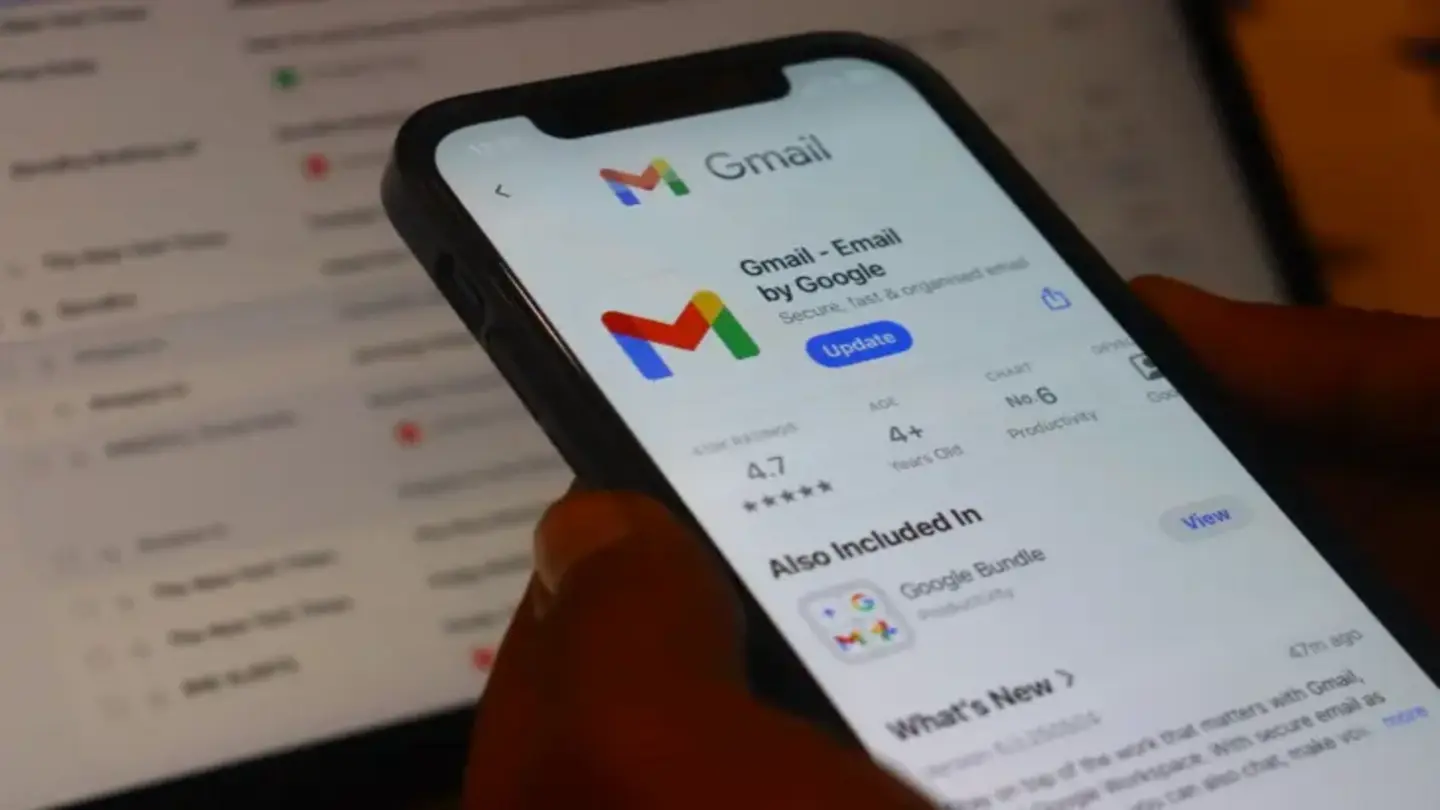
Google is now allowing users to change their full Gmail address, a feature long requested by its massive user base. Previously, Gmail only permitted modifications to the name associated with the account, leaving the username portion – the part before the @gmail.com – static. This new functionality provides greater control and flexibility over a user’s online identity within the Google ecosystem.
The rollout, initially spotted and reported by several tech publications, is currently available to a limited number of users. Google confirmed the change to CNBC, stating that the feature is being gradually implemented and will become accessible to everyone in the coming weeks. Users are reporting the ability to alter their usernames through the Google Account settings, similar to how they currently manage their display names.
This update addresses a common pain point for Gmail users. Many have expressed regret over their initial username choices, finding them embarrassing, unprofessional, or simply no longer representative of their current identity. The inability to change these usernames has led some to create entirely new accounts, fragmenting their Google services and contacts.
How the Change Works
The process of changing a Gmail address isn’t instantaneous. Google allows users to choose from suggested new usernames or create a custom one, provided it’s not already taken. Once a new username is selected, the change isn’t immediate. Google provides a recovery period, allowing users to revert to their original address if needed. During this time, both the old and new addresses will function, ensuring a seamless transition.
Importantly, the change applies only to the username portion of the email address. The @gmail.com domain remains fixed. Google has also indicated that the change may not be possible if the username is associated with critical services or subscriptions, requiring users to update those separately. The company is expected to provide more detailed guidance on potential limitations as the rollout progresses.
The move aligns with broader industry trends towards user customization and control over personal data. Other email providers, like Microsoft Outlook, have long offered similar functionality. By finally introducing this feature, Google is bringing Gmail in line with user expectations and enhancing the overall user experience. This change is particularly significant given Gmail’s dominance in the email market, with over 1.8 billion active users worldwide.
While the initial rollout is limited, the potential impact of this update is substantial. It offers a simple yet powerful solution to a long-standing user frustration, potentially reducing the need for multiple accounts and streamlining communication. Users are advised to check their Google Account settings regularly to see when the feature becomes available to them. The update is expected to be completed by the end of the year, making a new Gmail username accessible to all.
Image Source: Google | Image Credit: Respective Owner