Skywatchers are in for a treat over the next few years, with a spectacular array of celestial events scheduled to grace our skies. 2026 promises a particularly rich calendar, featuring a variety of eclipses, vibrant meteor showers, the appearance of comets, captivating supermoons, and potentially, dazzling auroral displays. Planning ahead is key to experiencing these wonders, as some events are visible only from specific locations.
Eclipses in 2026
The year 2026 will be marked by several eclipses, both solar and lunar. A total solar eclipse on February 17th will be visible across a swathe of Greenland, Iceland, and Spain, offering a breathtaking view for those within the path of totality. Another partial solar eclipse will occur on August 12th, visible from parts of Europe and Asia. Lunar enthusiasts can look forward to a total lunar eclipse on September 7th, which will be widely visible across Europe, Asia, Africa, and Australia. These eclipses are not only visually stunning but also provide valuable opportunities for scientific study.
Meteor showers, often considered the most accessible astronomical events, will also be prominent in 2026. The Quadrantids in January, the Lyrids in April, and the Perseids in August are reliable showers that consistently deliver a good number of meteors. However, the Geminids in December are expected to be particularly impressive, potentially offering a zenithal hourly rate exceeding 120 meteors. Observing meteor showers requires dark skies away from city lights and a comfortable viewing position.
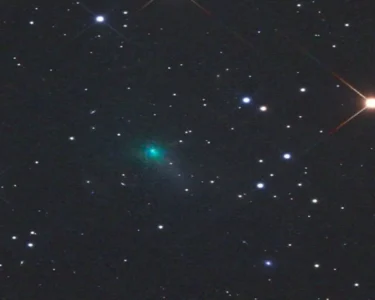
Comets, those icy wanderers of the solar system, occasionally put on a show for Earth-bound observers. While predicting comet brightness is notoriously difficult, several comets are currently being tracked that may become visible in 2026. Comet C/2017 K2 (PanSTARRS) is one to watch, having already shown some activity as it approaches the inner solar system. Its visibility will depend on its composition and how it interacts with the sun’s radiation.
Supermoons, when the full moon coincides with the moon’s closest approach to Earth in its orbit, will occur several times throughout the year. These events result in a larger and brighter full moon than usual, making for a spectacular sight. The exact dates of the supermoons in 2026 will be determined as the year approaches, but they are generally well-publicized by astronomy communities.
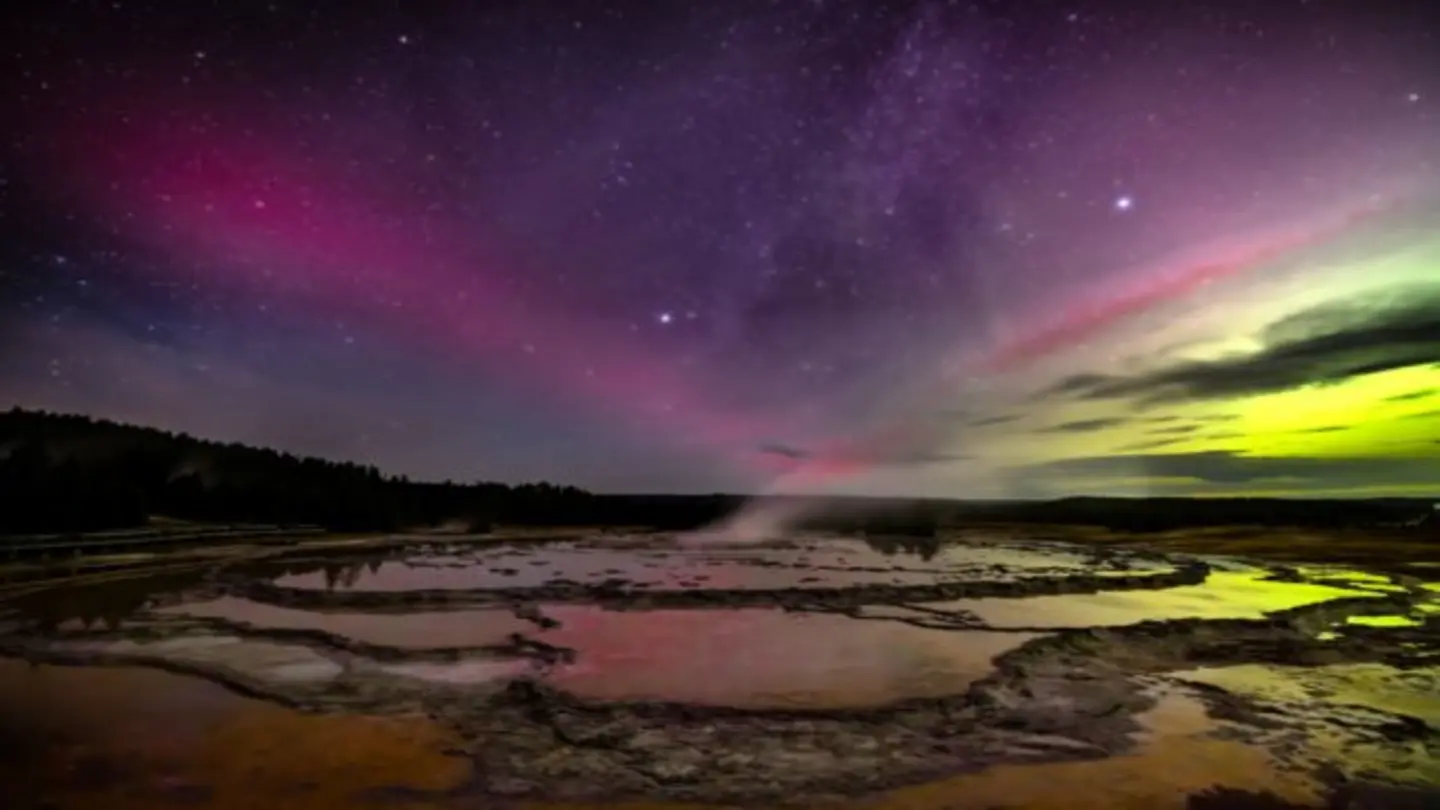
Finally, the potential for auroral displays remains a captivating prospect. While auroras are typically associated with high-latitude regions, strong solar activity can push them further south, making them visible from more populated areas. 2026 falls within a period of increasing solar activity, suggesting a higher probability of witnessing these shimmering lights. Monitoring space weather forecasts will be crucial for predicting auroral visibility. Resources like the Space Weather Prediction Center (SWPC) provide up-to-date information on solar flares and geomagnetic storms that can trigger auroras. Amateur astronomers and casual observers alike should prepare to look up and enjoy the celestial show that 2026 has in store.
Image Source: Google | Image Credit: Respective Owner