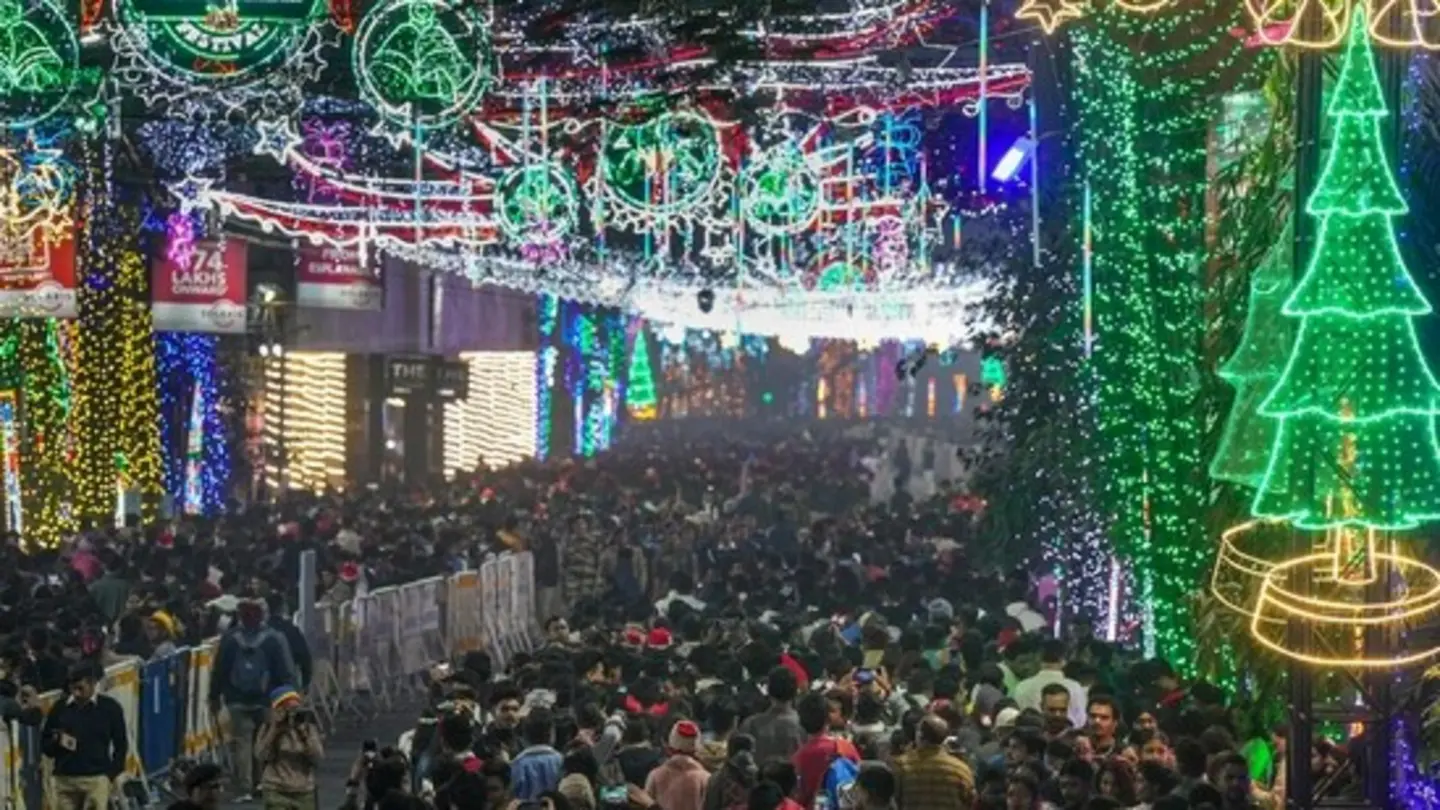
As preparations accelerate for Christmas 2025, a notable shift is occurring in how and where the holiday is observed globally. While traditionally centered in Christian-majority nations, Christmas celebrations are increasingly visible – and officially sanctioned – in countries with significant Muslim populations, most prominently Saudi Arabia. This evolving landscape reflects broader trends of religious tolerance and the commercialization of the holiday season.
Saudi Arabia, for decades maintaining strict restrictions on public displays of non-Islamic religious observance, has witnessed a gradual opening up to Christmas festivities. In 2023, the country allowed public displays of Christmas trees and decorations for the first time, primarily within residential compounds catering to expatriate communities. For Christmas 2025, expectations are for an even more expansive embrace of the holiday, with potential allowances for limited public celebrations in major cities like Riyadh and Jeddah. This change is largely driven by the Kingdom’s Vision 2030 initiative, aimed at diversifying the economy and attracting tourism, including from Christian countries.
The Vatican, as the spiritual center of the Catholic Church, remains the focal point of Christmas for millions worldwide. Pope Francis is expected to deliver his traditional Christmas message, the ‘Urbi et Orbi,’ on December 25th, 2025, addressing the faithful and the world at large. Security measures will be heightened, as always, to accommodate the large influx of pilgrims and visitors. Beyond the religious significance, the Vatican’s Christmas celebrations are a major cultural event, broadcast globally and attracting significant media attention.
Beyond the Usual Centers
The expansion of Christmas celebrations isn’t limited to Saudi Arabia. In other parts of the Middle East, such as the United Arab Emirates and Qatar, Christmas has become a mainstream commercial event, with shopping malls adorned with festive decorations and special promotions. Similarly, in parts of Asia, like Singapore and Hong Kong, Christmas is widely celebrated, often blending traditional Christian elements with local customs. Even in countries where Christianity is a minority religion, the holiday’s cultural influence is undeniable.
However, this increased visibility isn’t without its critics. Some religious conservatives express concern over the commercialization of Christmas and the potential for it to overshadow its religious meaning. Others raise questions about the authenticity of celebrations in countries where Christians face discrimination or persecution. Despite these concerns, the trend towards greater global recognition of Christmas appears set to continue, driven by economic factors, cultural exchange, and a growing desire for inclusivity.
Looking ahead to 2025, analysts predict a record number of international tourists will travel to experience Christmas in diverse locations. The combination of traditional religious observances in places like the Vatican and the emerging celebrations in previously restrictive environments like Saudi Arabia paints a picture of a truly global Christmas, albeit one that is constantly evolving and subject to varying interpretations.
The logistical challenges of accommodating these expanding celebrations are also significant, requiring careful planning and coordination by governments and religious organizations alike. From managing crowds to ensuring security, the scale of Christmas 2025 will demand a substantial effort to ensure a safe and enjoyable experience for all.
Image Source: Google | Image Credit: Respective Owner