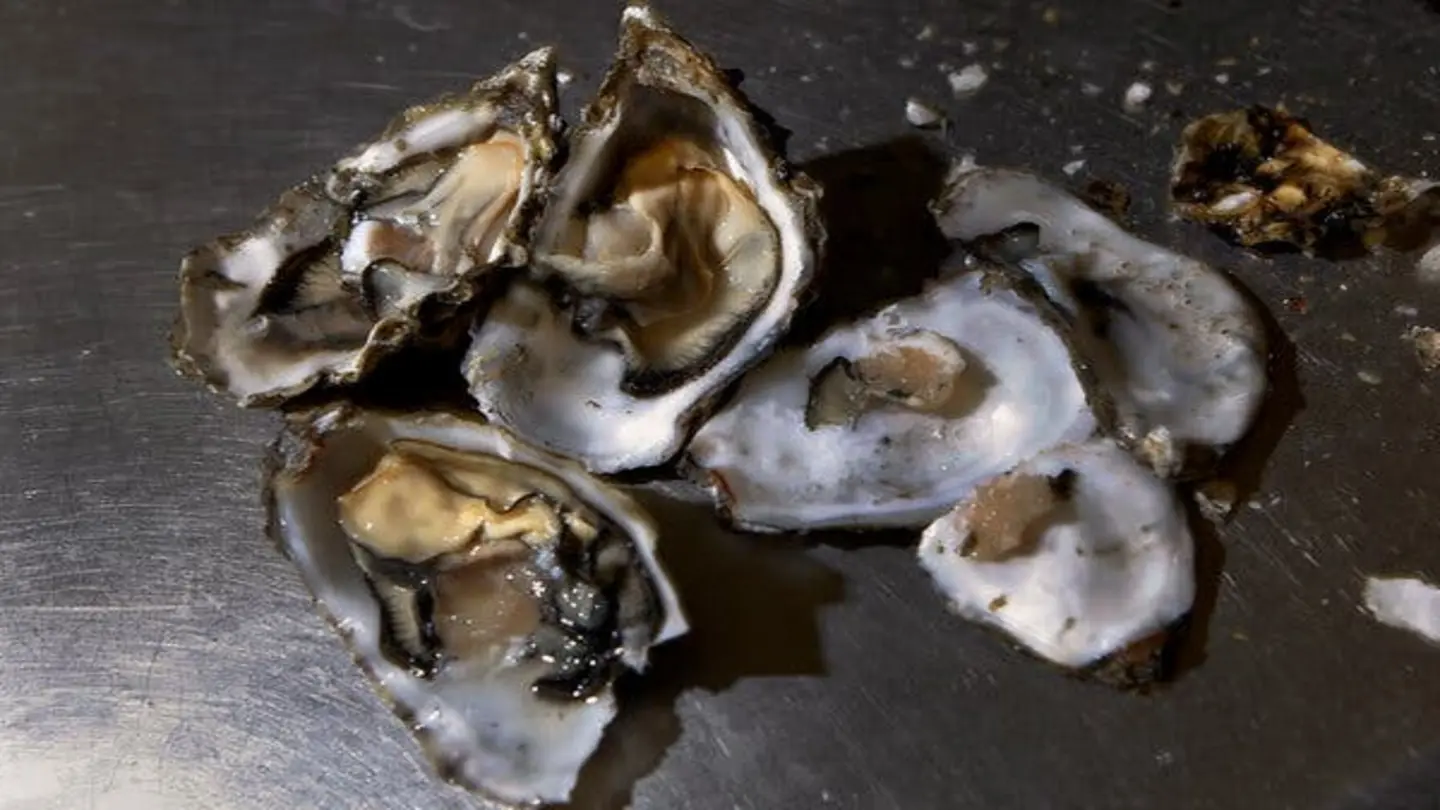
Researchers have developed a new predictive model utilizing Light Gradient Boosting Machine (LGBM) to forecast outbreaks of norovirus linked to oyster consumption. The study, published on the ESS Open Archive, addresses a significant public health concern: the recurring contamination of oysters with norovirus, leading to widespread illness.
Norovirus is a highly contagious virus causing gastroenteritis, commonly known as the “stomach flu.” Oysters, being filter feeders, can accumulate the virus from contaminated waters, and unlike some other foodborne illnesses, norovirus is often resistant to traditional cooking methods. This makes accurate outbreak prediction crucial for effective preventative measures.
The research team focused on historical data related to oyster norovirus outbreaks, incorporating various environmental and epidemiological factors into their LGBM model. These factors likely include water temperature, salinity, rainfall patterns, and reported cases of norovirus in the region. LGBM is a machine learning algorithm known for its speed and efficiency, particularly with large datasets, making it well-suited for this type of predictive analysis.
The model’s performance was evaluated using several statistical metrics, demonstrating its ability to accurately forecast the timing and magnitude of outbreaks. The study highlights the potential of machine learning to proactively manage food safety risks. Traditional methods of outbreak detection often rely on identifying cases *after* people have become ill, allowing the virus to spread further. A predictive model, however, can provide early warnings, enabling authorities to issue consumption advisories or temporarily close affected harvesting areas.
Implications for Public Health
This research has significant implications for public health agencies responsible for monitoring and controlling foodborne illnesses. By leveraging the power of data and machine learning, they can move from a reactive to a proactive stance. The model could be integrated into existing surveillance systems, providing a valuable tool for resource allocation and risk communication.
The authors emphasize the need for continuous data collection and model refinement to maintain its accuracy and effectiveness. Changes in environmental conditions, viral strains, or harvesting practices could all impact the model’s performance over time. Furthermore, expanding the dataset to include information from a wider geographic area could improve its generalizability.
The study also points to the importance of collaboration between researchers, public health officials, and the oyster industry. Sharing data and expertise is essential for developing and implementing effective strategies to minimize the risk of norovirus contamination. Future research could explore the use of real-time monitoring data, such as water quality sensors, to further enhance the model’s predictive capabilities. Ultimately, this work represents a step forward in protecting public health and ensuring the safety of the oyster supply.
The availability of this research on the ESS Open Archive promotes open science and allows for wider scrutiny and application of the findings. This accessibility is crucial for accelerating the translation of research into practical solutions for real-world problems.
Image Source: Google | Image Credit: Respective Owner