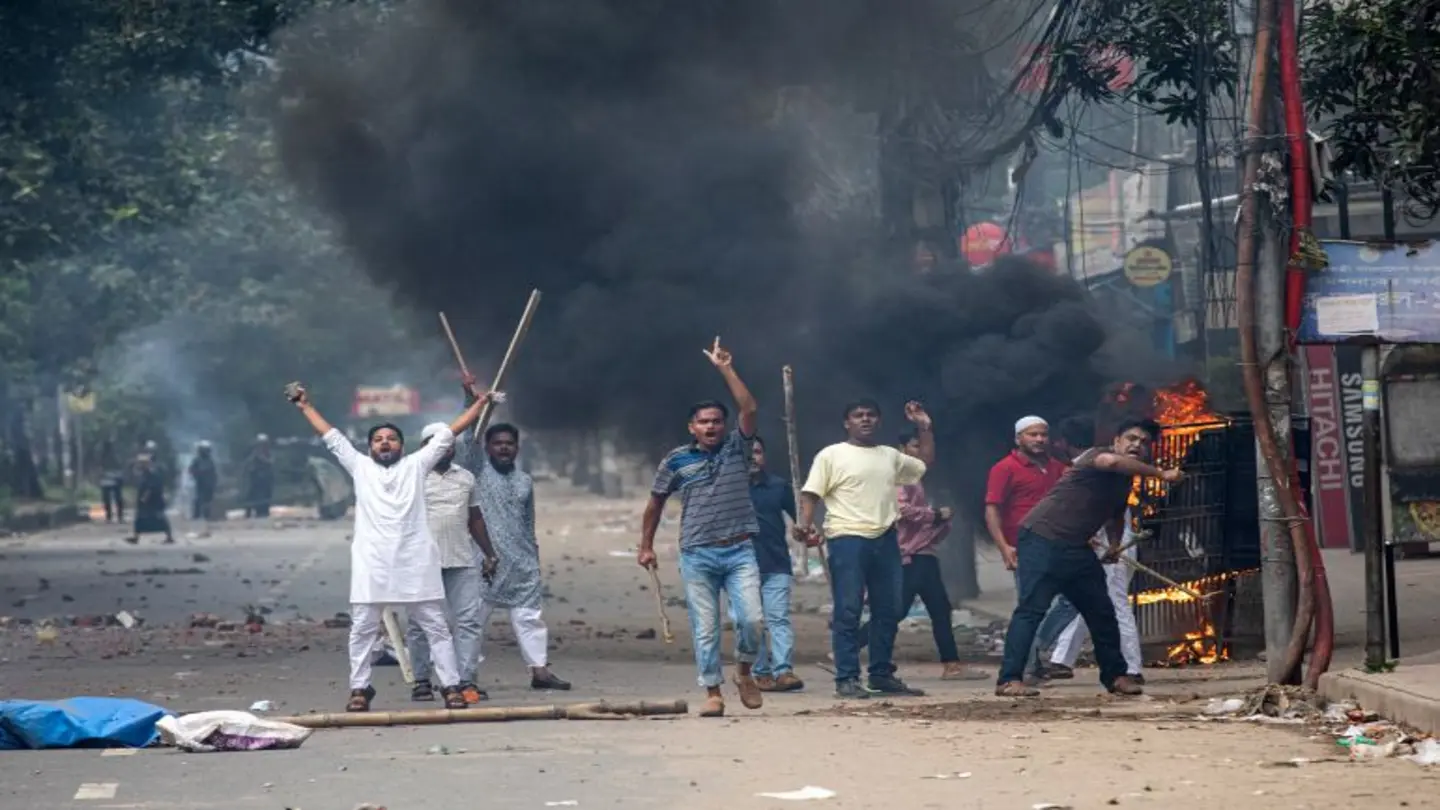
Dhaka, Bangladesh is experiencing ongoing unrest as protests led by opposition parties escalate, resulting in clashes with law enforcement and, tragically, the death of a man in a crude bomb attack. The incident occurred in the capital city, Dhaka, adding to the mounting tensions that have gripped the nation in recent days.
Authorities report that the victim was caught in the blast of a crude bomb allegedly thrown by unidentified miscreants during a demonstration. The circumstances surrounding the attack are under investigation, and police are actively pursuing leads to identify and apprehend those responsible. This incident marks a significant escalation in the violence associated with the protests.
The demonstrations are primarily fueled by discontent over the upcoming general elections and allegations of political repression by the current government led by Prime Minister Sheikh Hasina. Opposition parties, including the Bangladesh Nationalist Party (BNP), are demanding the resignation of the government and the establishment of a neutral caretaker administration to oversee free and fair elections. They claim the current government is creating an environment of fear and intimidation to suppress dissent.
Security has been significantly heightened across Bangladesh, particularly in Dhaka and other major cities, with a large deployment of police and paramilitary forces. Reports indicate that protesters have engaged in widespread vandalism and arson, targeting government buildings, vehicles, and infrastructure. Law enforcement officials have responded with tear gas, rubber bullets, and, in some instances, live ammunition, leading to numerous injuries on both sides.
The government has condemned the violence and accused the opposition of attempting to destabilize the country. It maintains that it is committed to holding elections according to the constitution and has taken steps to ensure a level playing field for all political parties. However, critics argue that the government’s actions, including the arrest of opposition leaders and restrictions on freedom of speech, undermine the democratic process.
Political Context
Bangladesh has a history of political instability and violent protests, particularly during election periods. The BNP, led by former Prime Minister Khaleda Zia, has been a major force in opposition to the Awami League for decades. The current political crisis stems from a combination of factors, including the government’s perceived authoritarian tendencies, economic grievances, and concerns about the fairness of the electoral system.
International organizations and foreign governments have expressed concern over the escalating violence and have called for dialogue between the ruling party and the opposition to resolve the crisis peacefully. The United Nations has urged all parties to exercise restraint and respect the rule of law. The situation remains volatile, and the potential for further violence is high. The government’s response and the opposition’s willingness to engage in constructive negotiations will be crucial in determining the future course of events in Bangladesh.
The crude bomb attack in Dhaka serves as a stark reminder of the dangers posed by political extremism and the urgent need for a peaceful resolution to the ongoing crisis. The loss of life is a tragedy, and efforts must be made to prevent further bloodshed and protect the rights and freedoms of all citizens.
Image Source: Google | Image Credit: Respective Owner