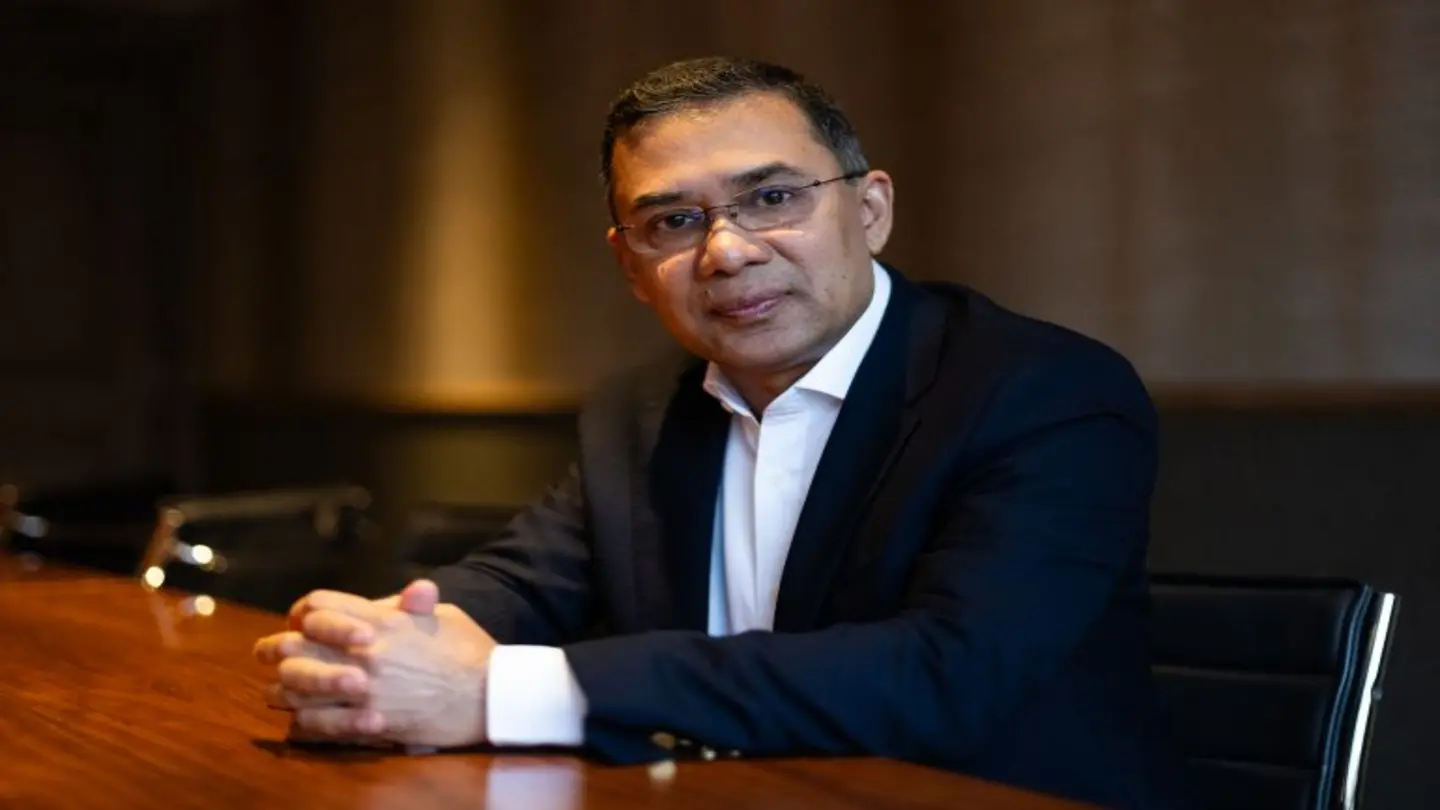
Dhaka – Tarique Rahman, the son of Bangladesh’s former Prime Minister Khaleda Zia and widely considered the frontrunner to succeed her, is poised to return to Bangladesh from self-imposed exile in London. His anticipated arrival comes ahead of the upcoming general elections, scheduled for January 7th, and marks a significant development in the nation’s volatile political landscape.
Rahman, the senior vice-chairman of the Bangladesh Nationalist Party (BNP), left the country in 2008 to receive medical treatment and has remained abroad ever since, facing numerous criminal charges that he and his party claim are politically motivated. His return has been a key demand of the BNP, which has been staging protests calling for a neutral caretaker government to oversee the elections. The party alleges the current government, led by Prime Minister Sheikh Hasina, will rig the polls.
The timing of Rahman’s return is crucial. The BNP has been boycotting parliament and organizing large-scale rallies, often met with police crackdowns, resulting in clashes and arrests of party leaders and activists. His presence is expected to galvanize the opposition and potentially shift the momentum in the lead-up to the elections. However, legal hurdles remain. He faces multiple convictions and warrants for his arrest, raising questions about his ability to participate freely in the electoral process.
Legal Challenges and Political Implications
Rahman was convicted in absentia on charges of corruption and inciting violence. The Awami League, led by Sheikh Hasina, maintains that Rahman’s convictions are legitimate and based on evidence presented in court. The BNP counters that the charges were fabricated to suppress political dissent. His lawyers are attempting to challenge the convictions and secure his participation in the elections.
The return also places significant pressure on the Hasina government. Allowing Rahman to return and participate in the elections could be seen as a sign of political flexibility, potentially easing tensions and improving the credibility of the electoral process. However, it also risks emboldening the opposition and challenging the Awami League’s dominance. Denying him entry or arresting him upon arrival could further escalate the political crisis and lead to widespread unrest.
International observers are closely monitoring the situation, urging all parties to engage in dialogue and ensure a free and fair election. The United States and other Western nations have expressed concerns about the political climate in Bangladesh and have called for restraint from both the government and the opposition. Rahman’s return is expected to be a pivotal moment in determining the future of Bangladeshi democracy and the direction of the nation’s political trajectory. The election is already being viewed as a critical test for Bangladesh’s democratic institutions, and Rahman’s participation, if allowed, will undoubtedly be a central focus.
The BNP is hoping Rahman’s return will energize their supporters and provide a much-needed boost to their campaign. The Awami League, meanwhile, is confident in its ability to secure a fourth consecutive term in office, despite the challenges posed by the opposition and the international scrutiny.
Image Source: Google | Image Credit: Respective Owner