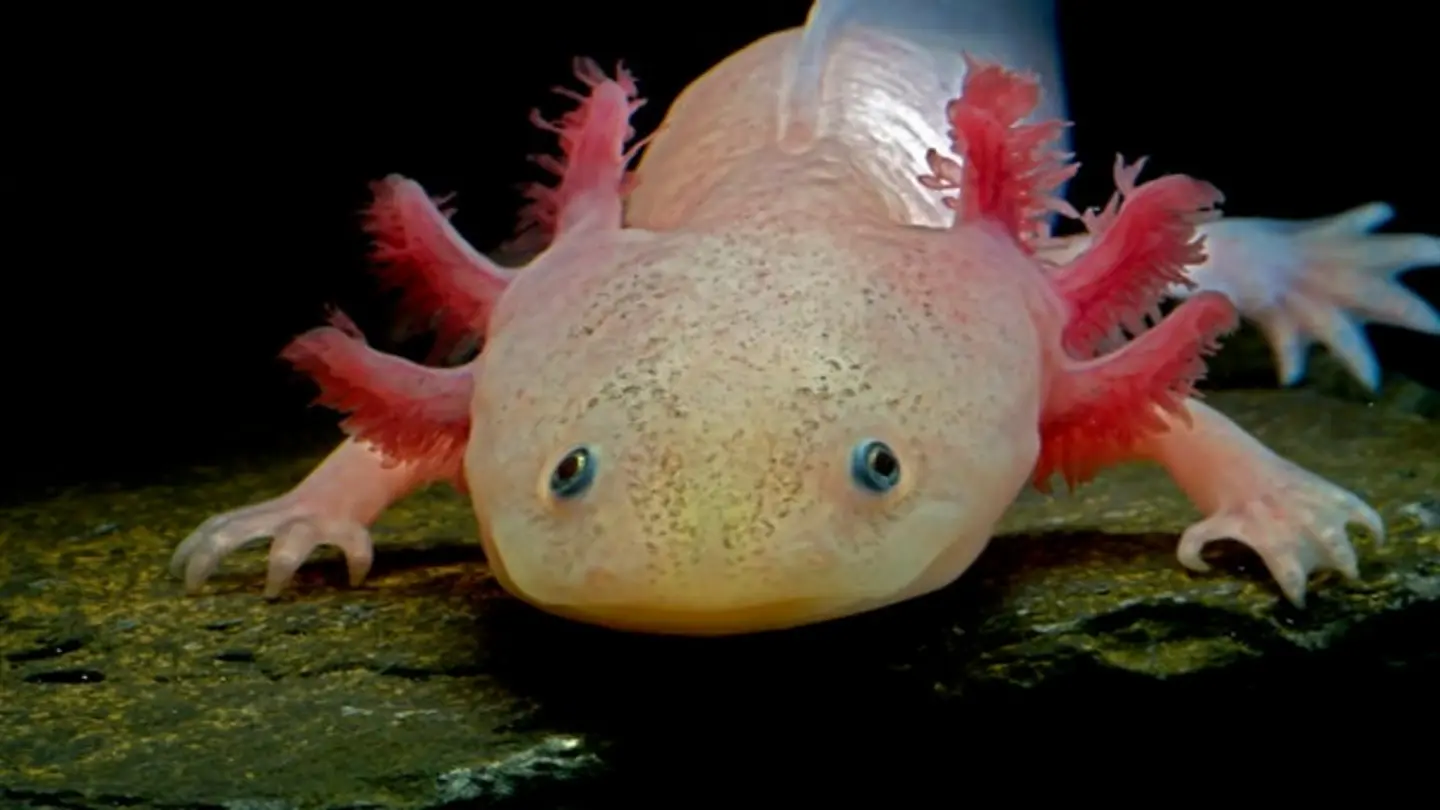
The remarkable ability to regenerate lost limbs isn’t limited to a few exceptional species; it’s a complex, body-wide process orchestrated at the cellular level, as revealed by new research on axolotls and flatworms. Scientists are increasingly understanding that regeneration isn’t simply about rebuilding what’s been lost, but a coordinated effort involving communication and collaboration between cells throughout the organism.
Axolotls, the aquatic salamanders famed for their regenerative prowess, can regrow entire limbs, spinal cords, and even parts of their brains without scarring. Flatworms, meanwhile, can be cut into multiple pieces, each of which can regenerate into a complete, new individual. These creatures have long served as models for regenerative medicine, but the underlying mechanisms remained largely mysterious.
Unraveling the Regenerative Code
Recent studies, detailed in publications like Development, highlight the crucial role of signaling pathways and gene regulatory networks in coordinating regeneration. Researchers have discovered that specific genes are activated or suppressed in response to injury, triggering a cascade of events that lead to tissue repair and regrowth. This isn’t a localized response; cells across the body contribute to the process, sending signals and providing resources to the injured area.
One key finding is the importance of the nervous system in regeneration. Nerves aren’t simply conduits for signals; they actively participate in the regenerative process, releasing growth factors and guiding the formation of new tissues. In axolotls, for example, the nerves at the site of amputation play a critical role in initiating and maintaining limb regeneration. Disrupting nerve signaling can halt the process altogether.
Furthermore, the research emphasizes the role of cellular plasticity – the ability of cells to change their identity and function. During regeneration, cells near the injury site can dedifferentiate, reverting to a more primitive state, and then redifferentiate into the cell types needed to rebuild the lost tissue. This process is tightly regulated, ensuring that the correct tissues are formed in the correct locations.
The study of flatworms, particularly Schmidtea mediterranea, has revealed the importance of neoblasts – adult stem cells that are essential for regeneration. These cells are capable of differentiating into any cell type in the body, making them a powerful tool for rebuilding damaged tissues. Researchers are working to understand how neoblasts are activated and controlled during regeneration.
While significant progress has been made, many questions remain. Scientists are still trying to decipher the precise molecular signals that trigger regeneration, and how these signals are integrated across the body. Understanding these mechanisms could pave the way for new therapies to promote tissue repair and regeneration in humans, potentially offering solutions for injuries and diseases that currently have limited treatment options. The ultimate goal is to harness the regenerative power of these remarkable creatures to improve human health.
Image Source: Google | Image Credit: Respective Owner