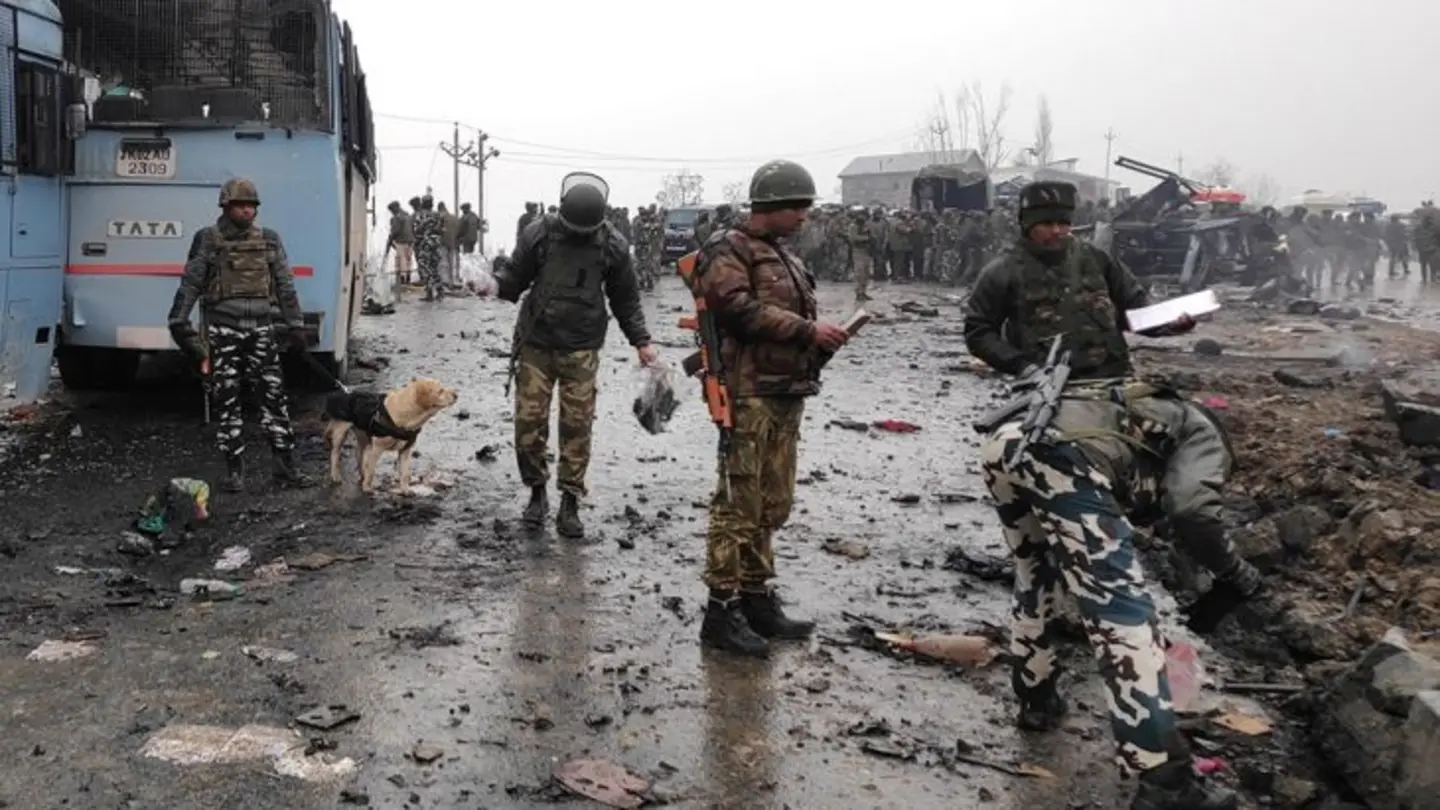
New Delhi is poised to release India’s first comprehensive national policy aimed at combating terrorism, marking a significant shift in the country’s approach to counter-terrorism efforts. The policy, currently in its final stages of review, seeks to establish a unified and coordinated strategy across all government agencies, addressing both the ideological and operational aspects of terrorism.
For years, India’s counter-terrorism measures have been largely reactive, focusing on intelligence gathering and immediate responses to attacks. This new policy aims to be proactive, emphasizing prevention, deradicalization, and rehabilitation. Officials indicate the policy will move beyond simply addressing symptoms of terrorism and delve into the root causes, including socio-economic factors and the spread of extremist ideologies.
Key Pillars of the Policy
The policy is built upon several key pillars. Firstly, it prioritizes strengthening the criminal justice system to ensure swift and effective prosecution of terror-related offenses. This includes enhancing the capacity of investigative agencies, improving forensic capabilities, and streamlining legal procedures. Secondly, it focuses on countering radicalization, both online and offline, through community engagement programs, educational initiatives, and collaboration with religious leaders.
A crucial component of the policy is the enhancement of India’s internal security apparatus. This involves improving coordination between central and state intelligence agencies, strengthening border security, and investing in advanced surveillance technologies. The policy also recognizes the growing threat of cyberterrorism and proposes measures to protect critical infrastructure from online attacks. Furthermore, it addresses the financing of terrorism, aiming to disrupt the flow of funds to terrorist organizations.
The policy acknowledges the importance of international cooperation in combating terrorism. India intends to strengthen its partnerships with other countries, sharing intelligence and best practices to address the global threat. This includes working with multilateral organizations like the United Nations to develop a more effective international counter-terrorism framework.
Sources suggest the policy will also outline a clear framework for rehabilitation and reintegration of former terrorists who renounce violence and wish to return to mainstream society. This aspect of the policy is considered particularly sensitive, requiring careful consideration of security concerns and the rights of individuals. The implementation of this policy will require significant investment in resources and training, as well as a sustained commitment from all stakeholders.
The release of the policy is expected to be followed by a series of consultations with state governments, security experts, and civil society organizations to ensure its effective implementation. The government hopes that this comprehensive approach will significantly enhance India’s ability to prevent and respond to terrorist threats, safeguarding the country’s security and stability.
Image Source: Google | Image Credit: Respective Owner