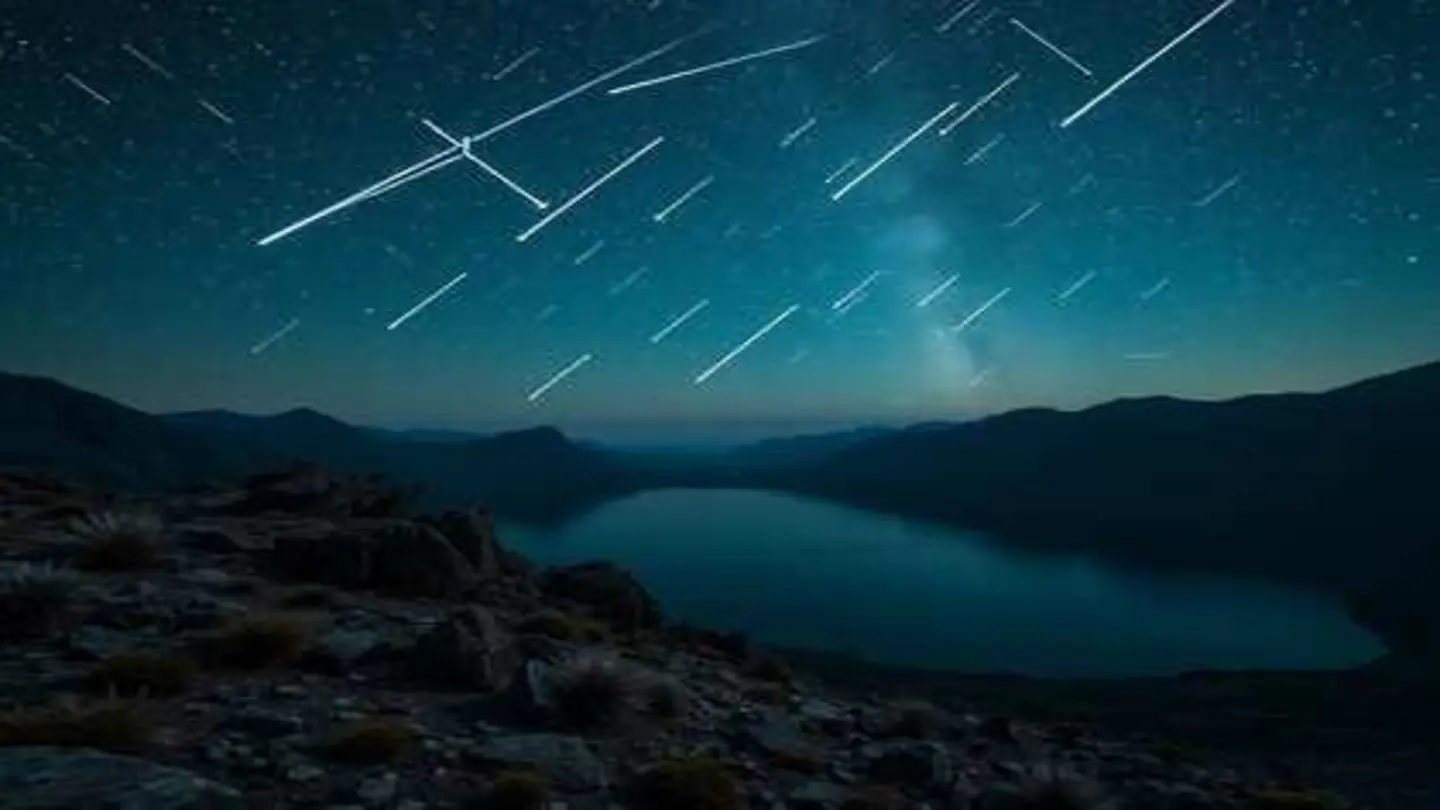
The Ursid meteor shower, renowned as the final celestial spectacle of the year, is set to peak in December 2025. While often overshadowed by the more prominent Geminids, the Ursids offer a captivating display for stargazers, particularly those in the Northern Hemisphere. Understanding when, where, and how to observe this shower can greatly enhance the viewing experience.
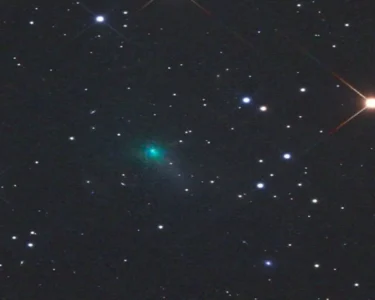
Unlike many meteor showers originating from older debris streams, the Ursids are relatively young, originating from dust particles shed by comet 8P/Tuttle. This comet was discovered in 1786 and completes an orbit around the Sun every 13.3 years. The meteors appear to radiate from the constellation Ursa Minor, hence the shower’s name, near the Little Dipper. However, observers do not need to locate Ursa Minor specifically as the meteors will streak across the entire sky.
The peak of the 2025 Ursid meteor shower is predicted for December 22nd and 23rd. Under ideal, dark-sky conditions, observers can anticipate witnessing around 10-20 meteors per hour. This rate is considerably lower than showers like the Geminids, but the Ursids possess distinct characteristics that make them worthwhile to watch. Their meteors are typically slower, with a speed of 33 kilometers per second, making them easier to track visually. The Ursids also tend to be brighter than some other lesser-known showers.
Visibility is best for observers located in the Northern Hemisphere. As you move further south, the radiant point of the shower will be lower on the horizon, reducing the number of visible meteors. The best viewing opportunities typically occur after midnight when the radiant point is higher in the sky. The nearly new moon in December 2025 will be a boon for observers, as the lack of significant moonlight will create darker skies, allowing fainter meteors to become visible.
To maximize your chances of a good viewing experience, several steps can be taken. Firstly, find a location away from city lights; light pollution is the greatest enemy of stargazing. Allow at least 20-30 minutes for your eyes to adjust to the darkness. Dress warmly in layers as December nights can be extremely cold. A reclining chair or blanket will make the process of looking up more comfortable. Avoid looking at bright lights, including your phone screen, as this will reset your night vision.
What to expect from the 2025 Ursids?
While the Ursids aren’t known for frequent, brilliant fireballs, they sometimes produce surprisingly bright streaks. This variability adds an element of excitement to the viewing process. The shower’s peak is relatively narrow, meaning conditions can change rapidly. Checking updated forecasts closer to the peak date is advisable to ensure optimal viewing. Amateur astronomers and casual stargazers alike can enjoy this end-of-year celestial treat with a little preparation and patience.
Resources like the American Meteor Society ([https://www.amsmeteors.org/](https://www.amsmeteors.org/)) and EarthSky ([https://earthsky.org/](https://earthsky.org/)) provide detailed information and real-time updates on meteor shower activity, aiding observers in planning their viewing sessions. Observing the Ursids serves as a beautiful reminder of the ongoing cosmic processes that constantly shape our solar system.
Image Source: Google | Image Credit: Respective Owner