Taiwan has heightened its security measures following a series of incidents that culminated in the death of a civilian on Friday. The events, which included the apparent accidental launch of a missile and the approach of Chinese aircraft and ships, have raised tensions and prompted a review of Taiwan’s defense protocols.
The most concerning development occurred off the coast of Pingtan Island in Fujian Province, China, when a missile was detected traveling towards Taiwan. Taiwanese authorities confirmed the projectile originated from China and crossed the median line of the Taiwan Strait. While initially dismissed as a deliberately provocative act, it’s now believed to have been a misfire during Chinese military exercises. Shortly after, a civilian ship captain was killed in waters near Kinmen Island after being hit by a falling object, initially attributed to debris from a flare launched by the Taiwanese coast guard.
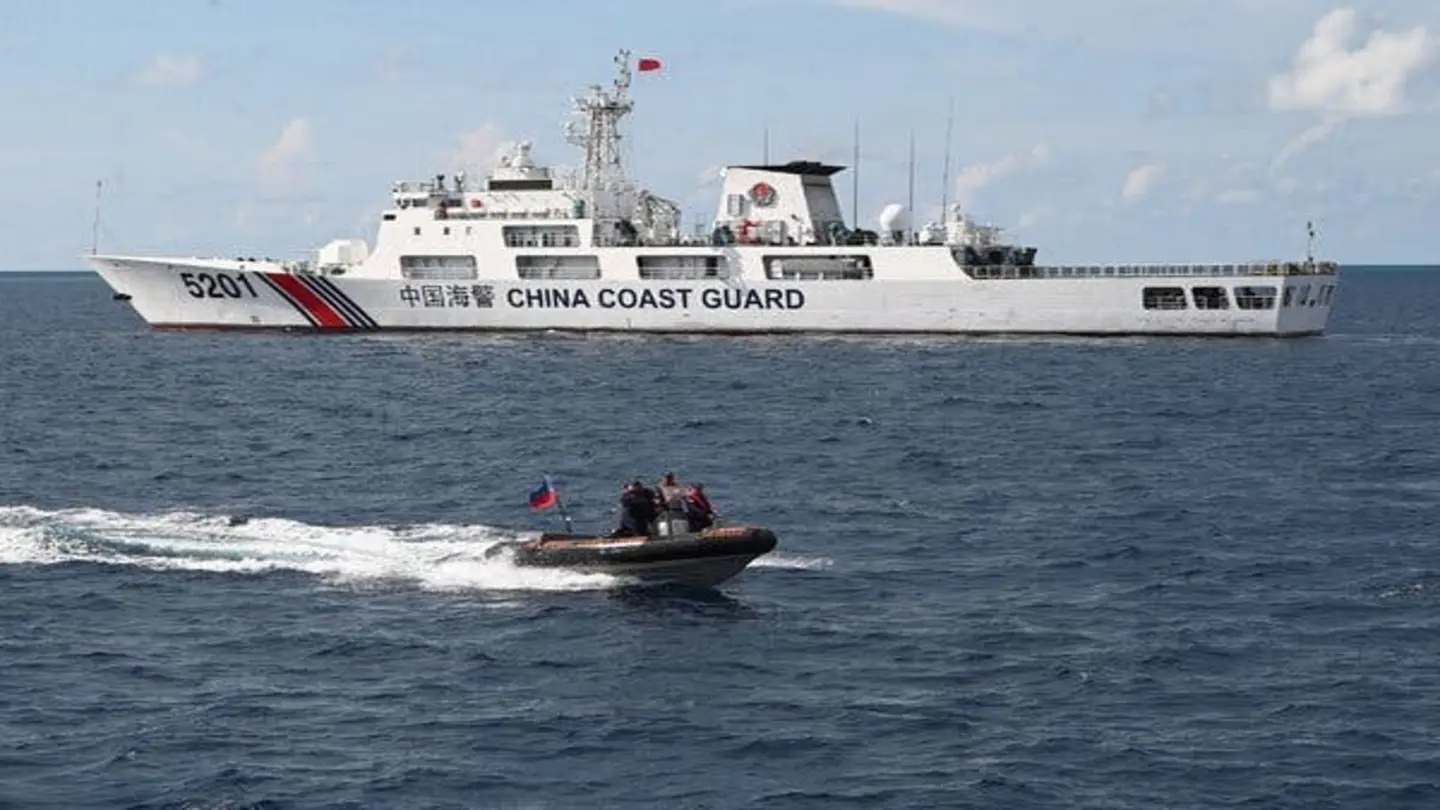
Taiwan’s defense ministry expressed “grave concern” over the Chinese missile launch, stating it violated international regulations and threatened regional stability. They condemned the action as “irresponsible and provocative”. Coast guard officials clarified the incident involving the ship, explaining they fired flares after a Chinese patrol boat entered restricted waters near Kinmen. Investigations are underway to determine the precise cause of the civilian death; the coast guard maintains the impact resulted from falling debris, not a direct hit.
China’s defense ministry acknowledged the missile launch but framed it as a routine exercise and denied any intentional targeting of Taiwan. They accused Taiwan of exaggerating the incident and attempting to manipulate public opinion. Furthermore, Chinese state media released information suggesting the ship entered a prohibited area, though this account is disputed by Taiwanese officials. The timing of these events, occurring shortly before Taiwan’s presidential inauguration, adds another layer of complexity and potential for miscalculation to the situation.
In response to the heightened threat perception, Taiwan’s military has intensified its surveillance and patrol operations along its coastline and in the Taiwan Strait. President-elect Lai Ching-te, who is slated to take office on May 20th, emphasized the need for maintaining peace and stability in the region, stating that Taiwan would continue to bolster its defensive capabilities. He also called for cross-strait dialogue based on equality and mutual respect.
Regional Implications
The incidents have drawn responses from international actors. The United States, a key ally of Taiwan, reiterated its commitment to assisting Taiwan in maintaining its self-defense capabilities and urged China to exercise restraint. Other regional powers, including Japan and Australia, have voiced similar concerns about the escalating tensions. Experts warn that such close encounters increase the risk of accidental escalation, potentially drawing the US and other nations into a conflict.
Despite China’s claims of peaceful intent, these actions are widely interpreted as a show of force aimed at intimidating Taiwan and signaling Beijing’s resolve in preventing any move towards formal independence. Taiwan remains steadfast in its commitment to its democratic values and independence, which continue to be a source of friction with China. The situation currently remains calm, but the increased military activity and diplomatic rhetoric signal continued underlying tensions.
Image Source: Google | Image Credit: Respective Owner