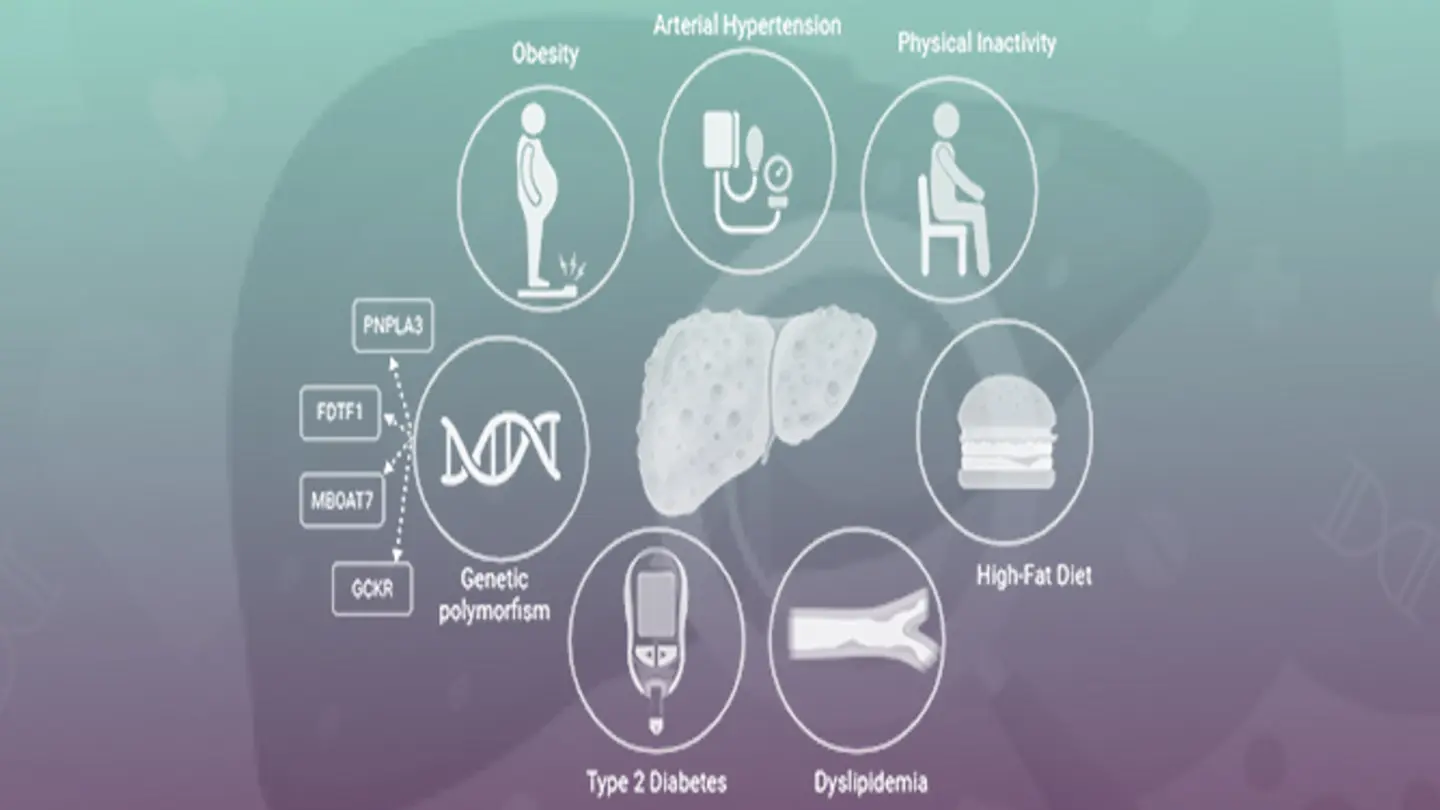
Emerging research is revealing the profound impact of gut microbiota on metabolic-associated steatotic liver disease (MASLD), opening promising avenues for targeted treatments. Scientists have identified specific bacterial strains and metabolic byproducts that either protect against or exacerbate liver steatosis, shifting the paradigm from viewing the gut and liver as separate systems to recognizing them as a tightly integrated axis.
The gut-liver axis operates through multiple mechanisms. Bacteria in the intestines produce metabolites—such as short-chain fatty acids, bile acids, and lipopolysaccharides—that travel via the portal vein to the liver, directly influencing inflammation, fat accumulation, and insulin sensitivity. Dysbiosis, an imbalance in the microbial community, can lead to increased intestinal permeability, allowing harmful substances to reach the liver and trigger damage.
A key finding highlights the role of specific microbial signatures. Certain bacteria, like Akkermansia muciniphila, are associated with improved metabolic health and reduced liver fat, while others, such as Enterobacteriaceae, are linked to inflammation and disease progression. These discoveries are paving the way for microbiome-based diagnostics that could identify at-risk individuals before advanced liver damage occurs.
Therapeutic strategies under investigation include probiotics, prebiotics, synbiotics, and fecal microbiota transplantation (FMT). Early trials show that targeted probiotic formulations can reduce liver enzymes and improve metabolic markers. Prebiotic fibers that selectively nourish beneficial bacteria are also demonstrating potential, particularly when combined with dietary modifications.
Researchers are exploring next-generation interventions, including engineered microbes designed to deliver therapeutic molecules directly to the gut-liver axis. These “smart probiotics” could provide localized treatment with minimal systemic side effects. Additionally, phage therapy—using viruses that target specific pathogenic bacteria—is being investigated to selectively reshape the microbiome.
Challenges remain, including the complexity of individual microbiome variations and the need for long-term safety data. However, combining microbiome modulation with lifestyle interventions, such as diet and exercise, appears most effective. Precision medicine approaches that tailor treatments based on a patient’s unique microbial profile represent the future of MASLD management.
The implications extend beyond liver disease, as gut health intersects with metabolic syndrome, cardiovascular disease, and mental health. As the mechanisms become clearer, healthcare providers may increasingly incorporate microbiome assessments into routine screening and treatment protocols for metabolic disorders.
Image Source: Google | Image Credit: Respective Owner