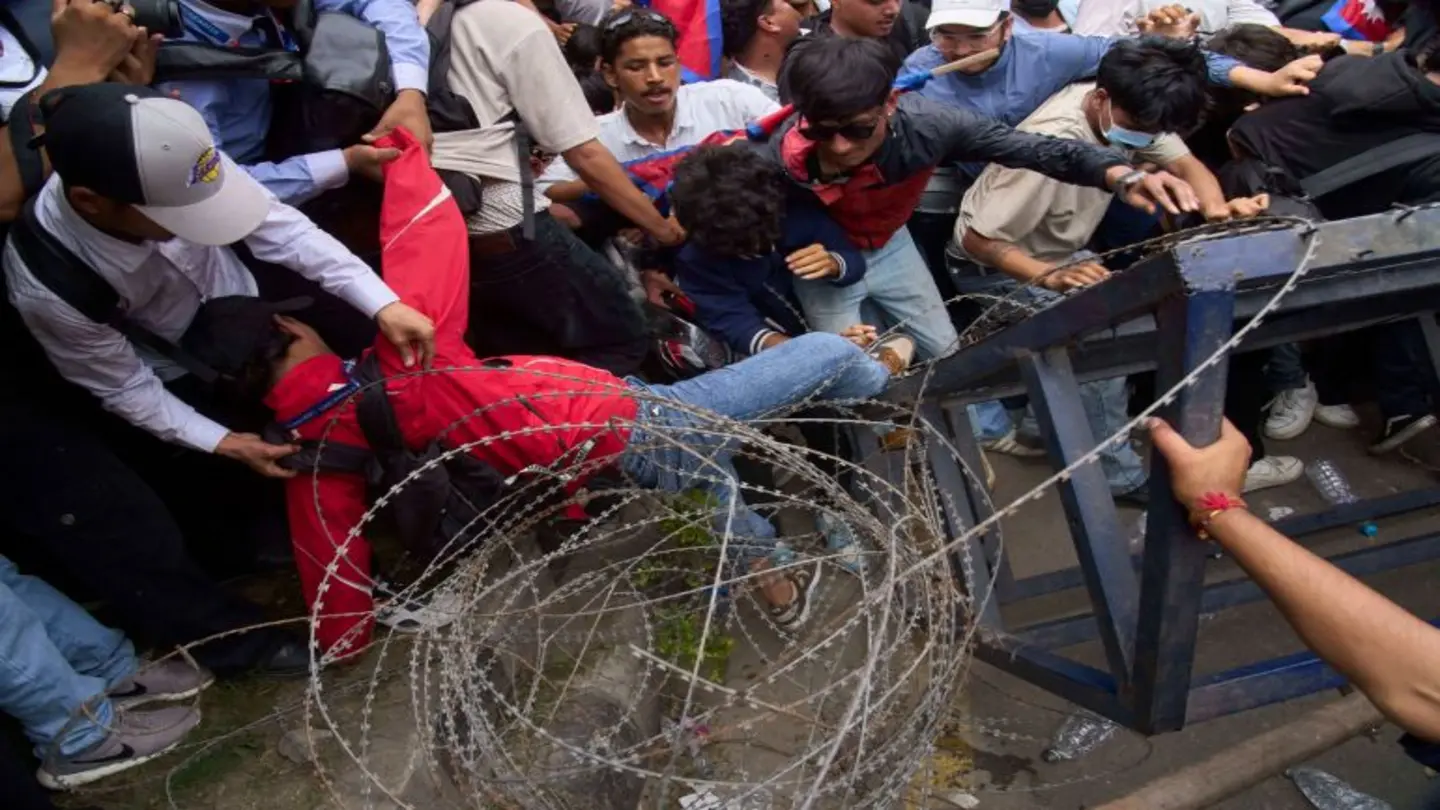
DHAKA – Violent protests erupted in Bangladesh’s capital on Tuesday as hundreds of demonstrators broke through security barricades and entered the Parliament building complex, marking a significant escalation in the ongoing political unrest gripping the nation. The incident occurred amid widespread anger over perceived government failures to address economic hardship and youth unemployment.
Eyewitnesses reported chaotic scenes as protesters, led by student activists and young political organizers, overpowered security forces stationed outside the Parliament premises. Videos circulating on social media showed demonstrators pushing past metal barricades and confronting police personnel before gaining access to restricted areas. Several police vehicles were reportedly damaged during the confrontation.
The protest was organized by various youth groups demanding immediate government action on multiple fronts, including job creation, price controls on essential commodities, and greater political accountability. The movement gained momentum following recent statements by youth leader S, whose identity remains partially protected due to ongoing investigations.
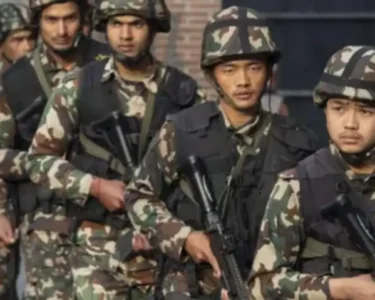
Security forces struggled to contain the situation as the crowd swelled to several thousand people. The breach of Parliament security represents a major embarrassment for the government, which has faced increasing criticism over its handling of the economy and civil liberties. Authorities have deployed additional security personnel around government buildings and key installations across the city.
Interior Ministry officials confirmed that several arrests were made during the protests, though exact numbers remain unverified. Medical sources reported treating at least a dozen injured persons, including both protesters and law enforcement personnel. The extent of damage to government property is still being assessed.
Regional Implications
The unrest comes at a critical time for Bangladesh, which has been navigating complex geopolitical relationships while managing internal economic challenges. The country’s strategic location and growing economic importance have drawn international attention to the stability of its political institutions.
Government spokesperson reiterated calls for calm and dialogue, emphasizing the administration’s commitment to addressing legitimate concerns through peaceful means. However, opposition leaders criticized the government’s response as inadequate and called for immediate concrete actions rather than promises.
The incident underscores deeper systemic issues affecting South Asian democracies, where economic pressures and political polarization increasingly intersect. Similar protests have occurred in neighboring countries, reflecting broader regional trends of youth activism and demand for governance reforms.
International observers have expressed concern about the situation, urging all parties to exercise restraint and engage in constructive dialogue. The United Nations and various diplomatic missions are monitoring developments closely.
As tensions continue to simmer, Bangladeshi authorities face mounting pressure to address both immediate security concerns and the underlying causes of public discontent. The coming days will prove critical in determining whether the government can restore order while addressing the legitimate grievances driving the protest movement.
Image Source: Google | Image Credit: Respective Owner