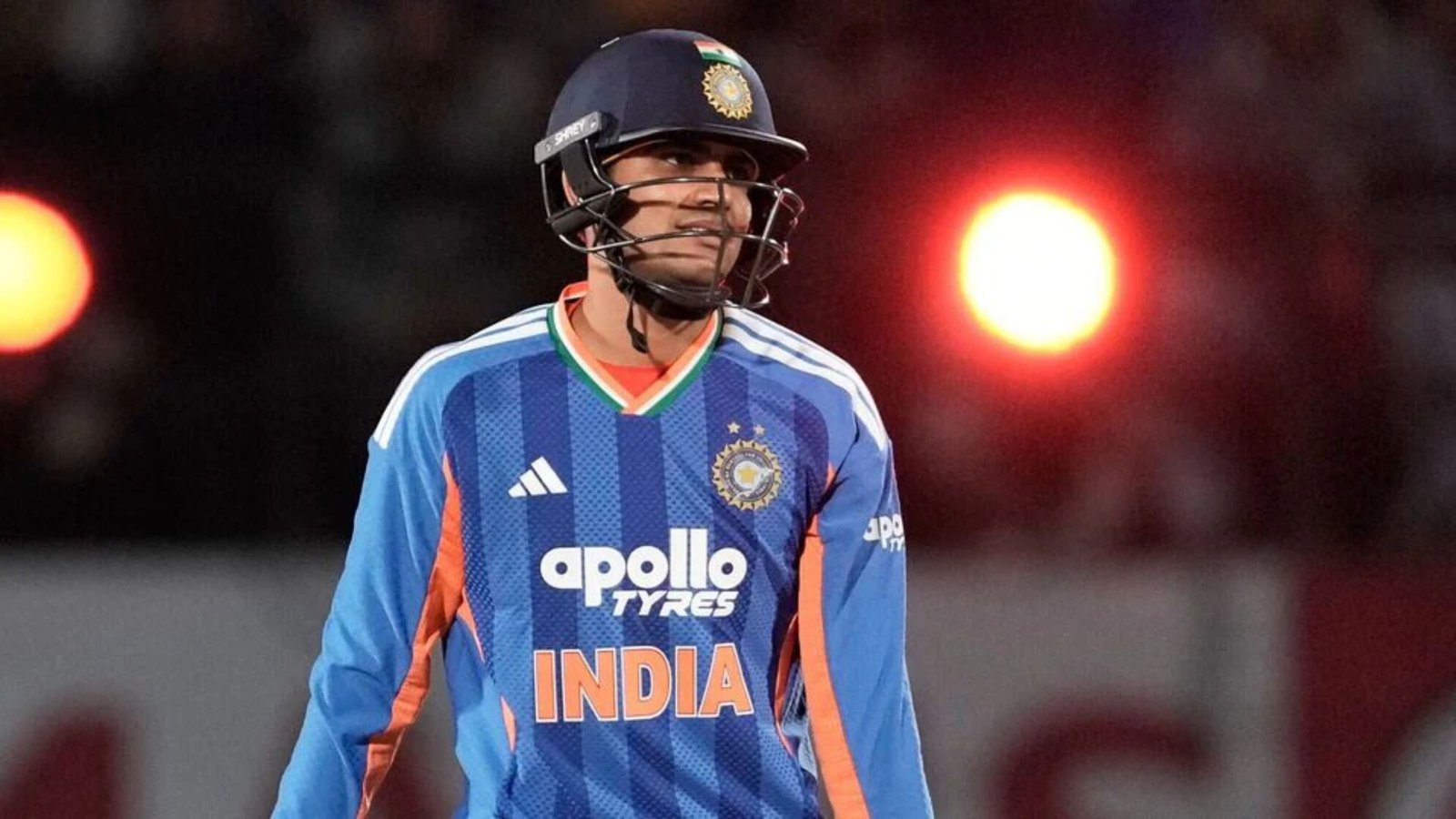
The cricketing world was left stunned when Shubman Gill, India’s premier young batting sensation, was omitted from India’s T20 World Cup squad. Multiple reports now indicate the decision stemmed from a combination of inconsistent form and strategic team composition choices rather than any single factor. Team management reportedly favored players with proven performances under high-pressure situations.
Gill’s statistics present a complex picture. While the right-handed opener has demonstrated flashes of brilliance in the shortest format, his T20I numbers pale compared to his exceptional Test and ODI records. This inconsistency at the top of the order, particularly against quality bowling attacks, likely contributed to selectors exploring alternative combinations that could provide explosive starts consistently.
Strategic Dilemma Behind the Decision
The selection committee faced an enviable problem: an abundance of talented openers vying for limited spots. With captain Rohit Sharma and left-handed dynamo Yashasvi Jaiswal establishing themselves as the preferred opening pair, Gill found himself competing for the backup opener role. The think tank ultimately prioritized flexibility, opting for players who could adapt across multiple batting positions and contribute in various match situations.
Reports suggest the team management particularly valued experience in Caribbean and American conditions, where the tournament is being co-hosted. Veteran players with previous World Cup exposure were given preference, reflecting a cautious approach to India’s quest for their first ICC trophy since 2013. This conservative selection strategy, while understandable, has generated significant debate among fans and experts.
The decision becomes even more intriguing considering Gill’s recent captaincy success with Gujarat Titans in the Indian Premier League. His leadership qualities and ability to handle pressure in franchise cricket evidently weren’t sufficient to secure his World Cup berth. The selectors’ emphasis on current international form over domestic T20 performances highlights their long-term vision and confidence in alternative options.
Future Implications and Career Trajectory
This snub, while disappointing for Gill’s immediate ambitions, could serve as motivation for the talented batsman. At just 24 years old, he has ample time to refine his T20 game and force his way back into contention for future white-ball tournaments. The competition for places has never been fiercer in Indian cricket, pushing every player to constantly evolve and adapt.
The Indian team’s strategy appears focused on building a balanced squad capable of handling diverse conditions and pressure situations. Every selection decision, including Gill’s omission, reflects this broader philosophy aimed at ending India’s ICC trophy drought and regaining supremacy in world cricket.
Image Source: Google | Image Credit: Respective Owner