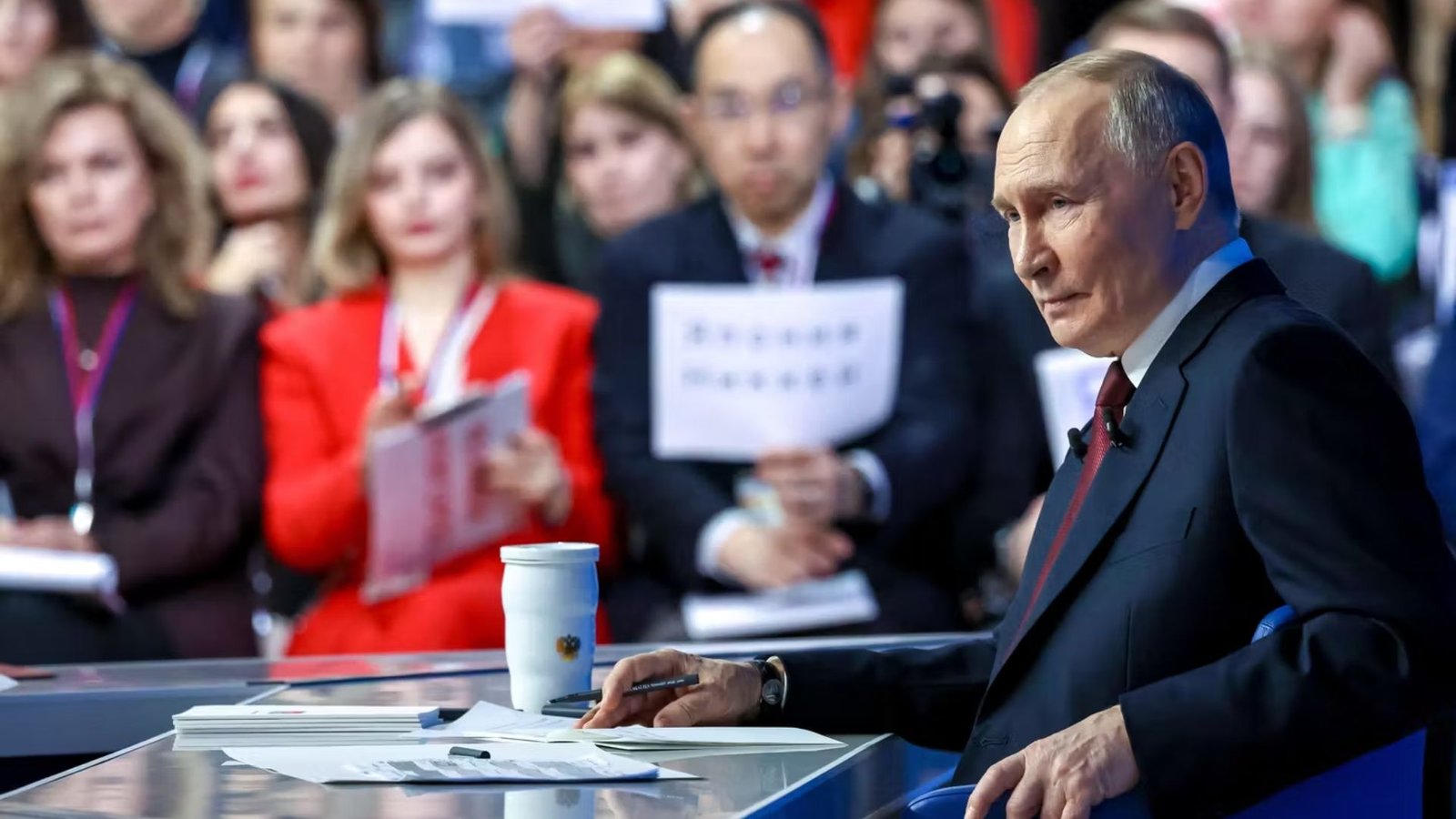
The Kremlin has indicated that President Vladimir Putin is prepared to engage in dialogue with his French counterpart Emmanuel Macron, provided there is mutual political will. The statement was conveyed by Kremlin spokesman Dmitry Peskov, who suggested that the French leader’s intentions could be viewed positively if both sides demonstrate genuine commitment to constructive engagement.
This development comes amid ongoing tensions between Russia and Western nations over various geopolitical issues, including the conflict in Ukraine, energy security, and broader security concerns in Europe. The potential for renewed dialogue between the two leaders represents a notable shift in diplomatic messaging, though substantive progress would require concrete steps from both parties.
Context and Implications
The Russian government’s willingness to consider dialogue with France reflects Moscow’s broader strategic approach to European relations. Macron has previously positioned himself as a key intermediary between Russia and the West, advocating for continued diplomatic channels even during periods of heightened tension. The French president has maintained that dialogue remains essential for addressing shared challenges and preventing further escalation of conflicts.
Peskov’s carefully worded statement emphasizes that any meaningful engagement must be based on reciprocity and mutual respect for each nation’s interests. The Kremlin spokesman noted that while Macron’s intentions can be assessed positively, actual progress depends on the presence of genuine political will from both Moscow and Paris.
The announcement carries particular significance given the current international landscape, where multiple crises demand coordinated responses from global powers. France’s role as a permanent member of the UN Security Council, combined with its historical relationship with Russia, positions Macron as a potentially influential mediator in ongoing conflicts.
International Reactions and Future Prospects
International observers are monitoring these developments closely, recognizing that improved relations between Russia and France could have broader implications for European security architecture. The European Union has maintained a united front on sanctions against Russia, but individual member states have occasionally expressed differing views on the best approach to managing relations with Moscow.
Economic considerations also play a role in the calculus of both nations. France and Russia have historically maintained important trade relationships, particularly in energy, agriculture, and technology sectors. Any normalization of relations could potentially revive commercial ties that have been affected by sanctions and geopolitical tensions.
The success of any potential dialogue will largely depend on the ability of both leaders to find common ground on sensitive issues while managing domestic political pressures. Both Putin and Macron face complex domestic challenges that influence their foreign policy decisions, requiring careful balancing of national interests with the pursuit of diplomatic solutions.
As the situation develops, the international community will be watching for concrete signs of progress beyond rhetorical statements. The coming weeks and months will reveal whether this expressed willingness to engage translates into substantive diplomatic initiatives or remains at the level of political signaling.
Neither the Kremlin nor the French presidency has provided specific details about potential meeting dates or agenda items, suggesting that discussions are still in preliminary stages. The cautious nature of the announcement reflects the complexity of the issues at stake and the challenges inherent in rebuilding trust between historic adversaries.
Image Source: Google | Image Credit: Respective Owner