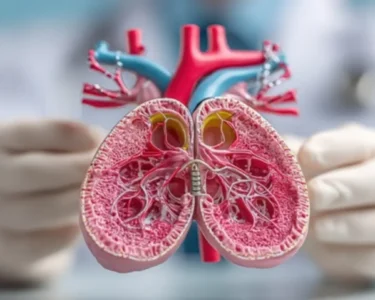
Women grappling with chronic obstructive pulmonary disease who are expecting a child face a unique convergence of respiratory management and maternal care. COPD—an umbrella term that generally encompasses emphysema and chronic bronchitis—restricts airflow and complicates oxygen delivery, demanding vigilant coordination between pulmonology and obstetrics. The physiological demands of pregnancy, including a 20–50% rise in oxygen consumption and upward displacement of the diaphragm, can intensify dyspnea and reduce functional reserve, heightening risks of exacerbations and preterm delivery.
Preconception assessment and early antenatal planning
Effective management begins before conception. A thorough workup—lung function tests, blood gases, imaging, nutritional status, and vaccination review—sets an accurate baseline. Quitting smoking remains non-negotiable; even brief cessation improves outcomes. Close antenatal follow-up and continuous pulse oximetry help spot subtle deterioration early.
Medication adherence tailored to pregnancy is critical: inhaled bronchodilators and corticosteroids are generally considered safe, while systemic steroids require cautious use. Supplemental oxygen should be initiated promptly when saturations trend downward to protect fetal development. Annual influenza vaccination and current pneumococcal immunization reduce infection-driven flare-ups.
Pulmonary rehabilitation adapted for pregnancy can be beneficial, combining education, breathing retraining, gentle aerobic conditioning, and airway clearance. Multidisciplinary coordination—obstetrician, pulmonologist, anesthesiologist, and respiratory therapist—forms the backbone of care. Psychological support and nursing guidance ease anxiety and improve self-management.
Anemia must be corrected to avoid worsening dyspnea. Surfactant-promoting measures, including maternal corticosteroid courses when indicated, support fetal lung maturation if preterm birth becomes likely. Controlled magnesium sulfate administration aids fetal neuroprotection in select cases.
Labor and delivery require advance pulmonary planning. Epidural anesthesia can improve comfort while reducing oxygen demand; upright positioning helps mechanics. Continuous fetal monitoring and maternal oxygenation surveillance are mandatory. Shortened second stage and vacuum/forceps assistance can limit prolonged exertion, with cesarean reserved for obstetric indications.
Postpartum vigilance is essential because fluid shifts and diaphragm repositioning can trigger delayed exacerbations. Close follow-up helps restore stability. Although rare, peripartum cardiomyopathy must be considered if new-onset dyspnea appears.
Evidence-based strategies for a healthy outcome
With meticulous care, most women with COPD can achieve full-term pregnancies and healthy neonates. Personalized plans, medication optimization, infection prevention, prompt oxygen supplementation, multidisciplinary management, anemia correction, maternal–fetal monitoring, and diligent follow-up constitute eight core strategies that improve outcomes.
The overarching priority remains proactive, collaborative management to safeguard both mother and child.
Image Source: Google | Image Credit: Respective Owner