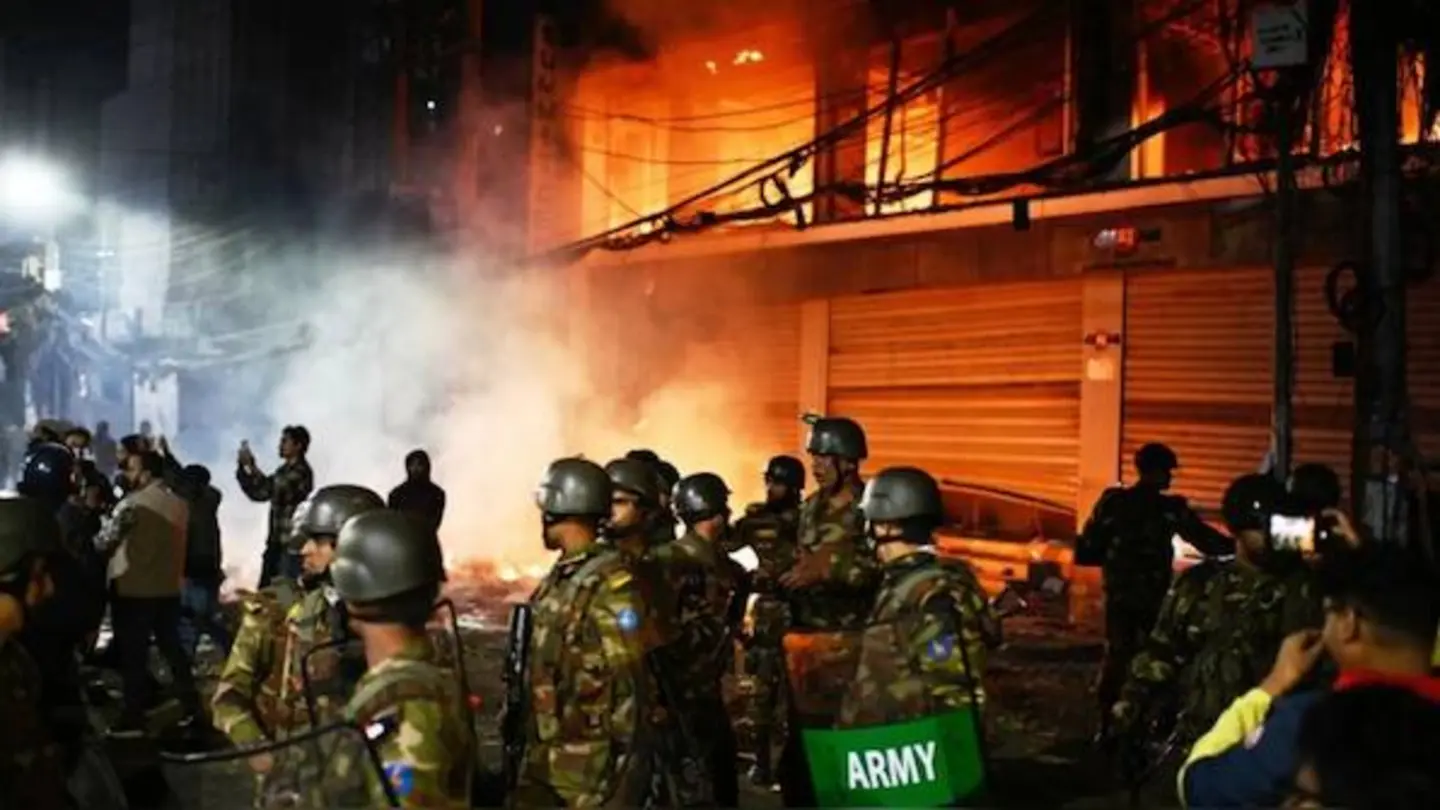
Violence flared in Bangladesh as protesters targeted Indian diplomatic facilities following the death of Hadi Hossain, a young man whose demise ignited widespread demonstrations. The unrest has plunged parts of the nation into turmoil, with streets overwhelmed by tear gas while angry crowds clash with security forces. The incidents mark a dangerous escalation in tensions, raising alarms about potential diplomatic repercussions between the two neighboring nations.
According to eyewitness accounts, the attacks on Indian premises included vandalism and attempts to breach security perimeters. While specific locations were not immediately disclosed, sources indicate that both the High Commission in Dhaka and auxiliary offices faced aggressive mobs. Indian officials expressed grave concern over the safety of diplomatic staff and called for enhanced protection from Bangladeshi authorities. Meanwhile, Bangladeshi police intensified surveillance around foreign missions to prevent further breaches.
The turmoil stems from the tragic death of Hadi Hossain, whose family alleges foul play. Initial reports suggest Hadi succumbed to injuries sustained during a protest, though conflicting narratives have emerged. Demonstrators demand a thorough investigation and accountability, while government spokespersons urge calm and restraint. The situation remains fluid, with internet disruptions reported in several districts to curb the spread of misinformation.
Regional analysts warn that targeting Indian diplomatic assets could strain historically amicable relations. India has long been a key partner for Bangladesh, collaborating on trade, security, and cultural initiatives. However, periodic flare-ups over unmet expectations fuel resentment among certain factions. The current crisis underscores underlying socioeconomic grievances that risk exploitation by extremists seeking to destabilize the region.
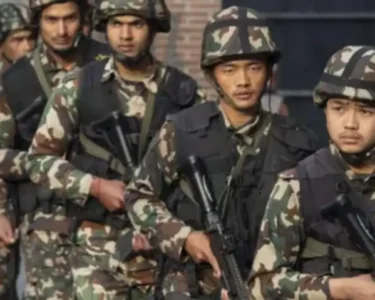
Authorities in Dhaka deployed additional paramilitary units to maintain order, imposing Section 144 in volatile areas to prohibit public gatherings. Despite these measures, sporadic skirmishes continue, indicating deep-seated frustrations. Human rights organizations have called for independent probes into alleged excessive force used by law enforcement during the crackdown.
International stakeholders monitor developments closely, emphasizing dialogue and de-escalation. The United Nations and neighboring countries advocate for peaceful resolution mechanisms to avert further bloodshed. As investigations proceed, the focus shifts to addressing root causes: governance deficits, unemployment, and perceived injustices that galvanize public outcry.
In summary, the convergence of Hadi’s death, protests, and attacks on Indian diplomatic premises signals a critical juncture for Bangladesh. Restoring stability requires transparent inquiries, accountable leadership, and renewed commitment to bilateral cooperation. Failure to address grievances risks prolonged instability affecting millions across South Asia.
Image Source: Google | Image Credit: Respective Owner