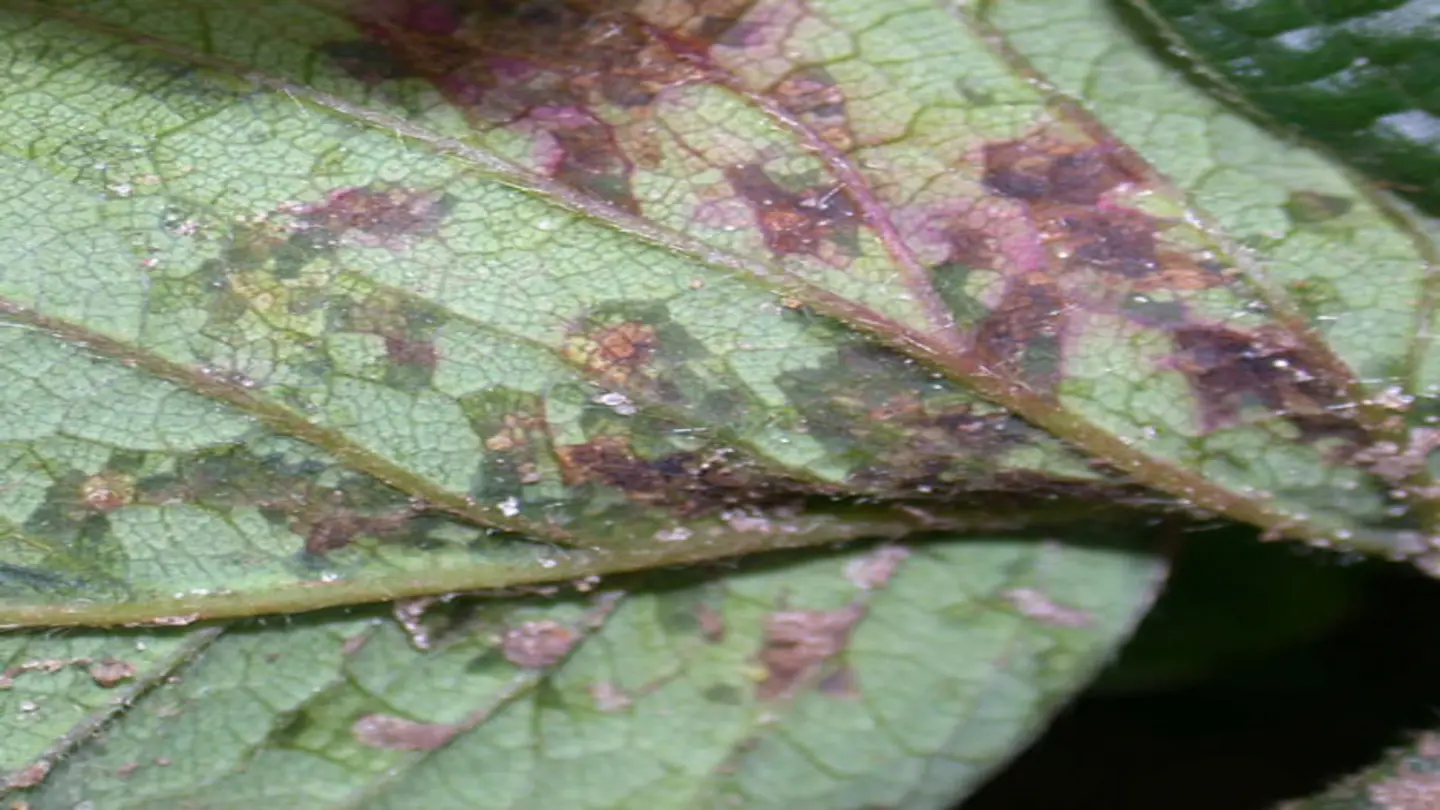
A new study examining the genetic architecture of angular leaf spot resistance in cultivated strawberry has uncovered critical insights into how epistasis—non-additive gene interactions—and genotype-by-environment effects shape disease resistance mechanisms. Researchers conducted comprehensive genome-wide association studies to identify genetic markers associated with resistance to this economically significant bacterial disease.
The findings challenge traditional models of disease resistance genetics, which often assume additive gene effects. Instead, the research demonstrates that complex epistatic interactions between multiple genetic loci play a pivotal role in determining strawberry plants’ ability to resist angular leaf spot infection. These interactions create non-linear relationships between genotype and phenotype that complicate breeding strategies but also offer opportunities for enhanced resistance through targeted genetic combinations.
Genotype-by-environment interactions further contribute to the genetic complexity, as resistance mechanisms vary significantly across different growing conditions. The study’s environmental component reveals that the same genetic resistance factors may perform differently under varying temperature, humidity, and soil conditions. This environmental modulation suggests that breeding programs must account for local climate conditions and production systems when developing resistant cultivars.
Implications for Strawberry Breeding Programs
The research carries significant practical implications for commercial strawberry breeding operations. Breeders must now consider complex gene interaction networks rather than focusing solely on individual resistance genes. This necessitates more sophisticated molecular breeding approaches that can capture and leverage epistatic effects.
Methodological innovations introduced in the study include advanced statistical models capable of detecting epistatic interactions across the genome, even when individual genetic effects are modest. These models provide breeders with a more complete genetic toolkit for developing stable, broadly adapted resistant varieties. The research methodology represents a substantial advancement in plant disease resistance genomics.
Prospects for commercial application include the development of molecular markers that can predict resistance performance across diverse environments. Such tools would enable breeders to select superior genotypes more efficiently and reduce the time required to bring new resistant varieties to market. The integration of genomic selection with phenotypic evaluation could significantly accelerate breeding progress.
The study concludes with recommendations for incorporating epistasis-aware breeding strategies into commercial breeding pipelines. These approaches, while more computationally intensive than traditional methods, promise to deliver more durable and environmentally stable resistance traits. The findings highlight the need for continued investment in genomic research to fully exploit the genetic potential for disease resistance in strawberry and other crop species.