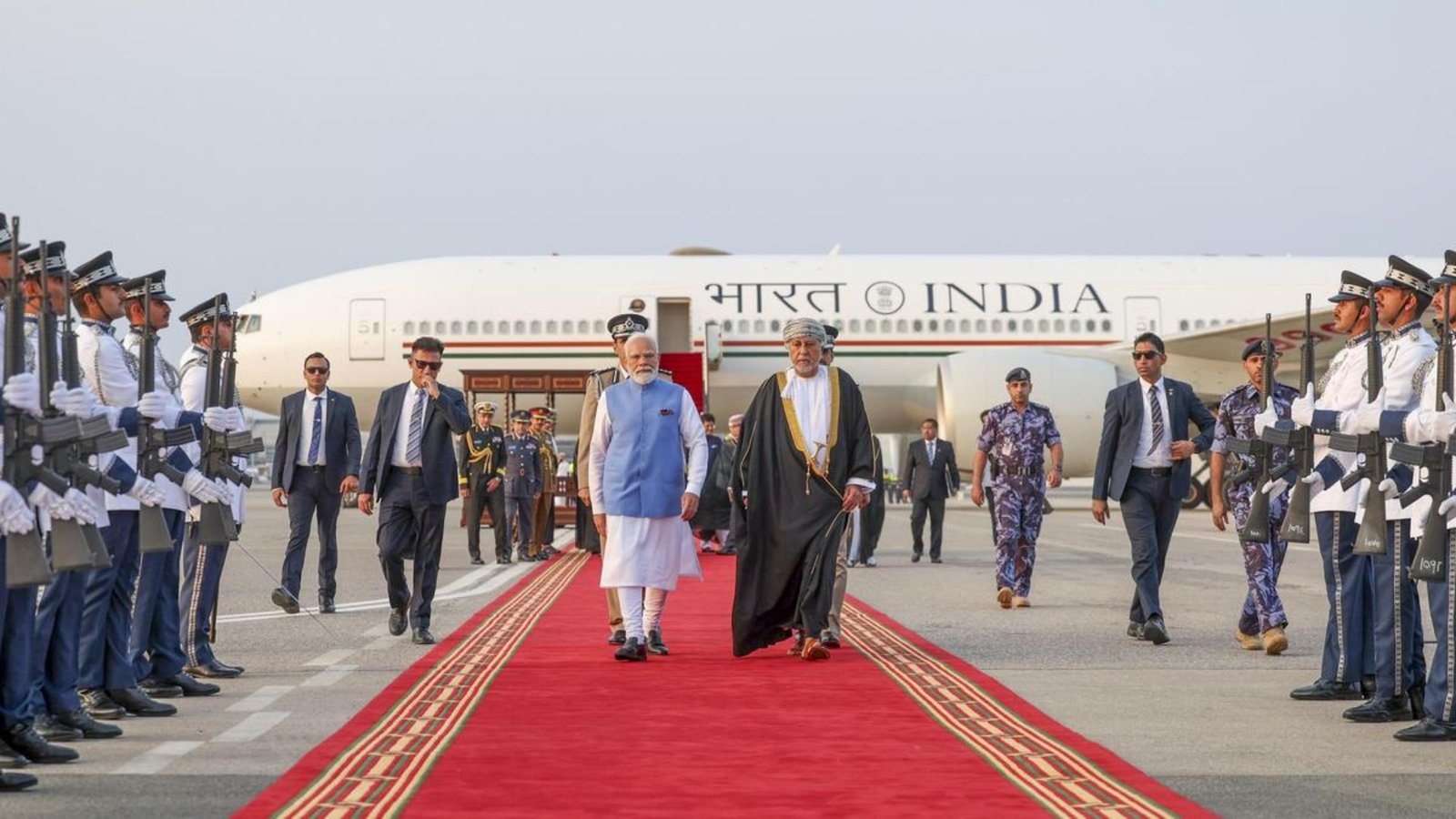
India and Oman are poised to sign a comprehensive free trade agreement on December 18, 2024, marking a significant milestone in their bilateral economic relations. Commerce and Industry Minister Piyush Goyal confirmed the scheduled signing during a parliamentary session, highlighting the strategic importance of strengthening trade ties between the two nations.
The upcoming agreement represents years of negotiations between New Delhi and Muscat, aimed at reducing tariffs and eliminating trade barriers across various sectors. Both countries have expressed optimism about the potential economic benefits, including increased investment flows, enhanced market access, and job creation in key industries.
Oman has long been a crucial trading partner for India in the Middle East, with bilateral trade volumes showing consistent growth over the past decade. The sultanate serves as India’s gateway to the Gulf Cooperation Council (GCC) region, making this agreement particularly significant for India’s broader Middle East strategy.
The free trade pact is expected to cover diverse sectors including energy, textiles, pharmaceuticals, automotive components, and agricultural products. Indian exporters anticipate improved access to Omani markets, while Omani businesses look forward to greater opportunities in India’s rapidly growing consumer market.
Energy cooperation remains a cornerstone of the bilateral relationship. Oman is an important supplier of crude oil and natural gas to India, and the agreement will likely include provisions to strengthen energy security partnerships. This assumes particular relevance as India seeks to diversify its energy sources and ensure stable supplies.
Services trade, including IT, healthcare, and education, will form another crucial component of the agreement. Indian service providers have expressed interest in expanding their presence in Oman, while Omani institutions seek partnerships with Indian counterparts in various professional sectors.
The agreement also addresses investment protection and promotion, creating a more predictable regulatory environment for businesses from both countries. This is expected to encourage cross-border investments, particularly in infrastructure, manufacturing, and technology sectors.
Piyush Goyal emphasized that the agreement aligns with India’s broader trade strategy, which includes similar pacts with other GCC countries. The government views such agreements as essential for achieving its export promotion goals and integrating more deeply with global value chains.
Business communities in both countries have welcomed the impending signing, citing potential for mutual economic growth and enhanced competitiveness. The agreement is expected to come into effect in early 2025, following completion of domestic ratification processes.