The highly anticipated T20 match between India and South Africa was dramatically abandoned without a single ball being bowled due to persistent fog at the picturesque Himachal Pradesh Cricket Association Stadium in Dharamsala. This marks another disappointing weather-related cancellation at what has become one of cricket’s most scenic venues, raising questions about scheduling matches in the Himalayan foothills during winter months.
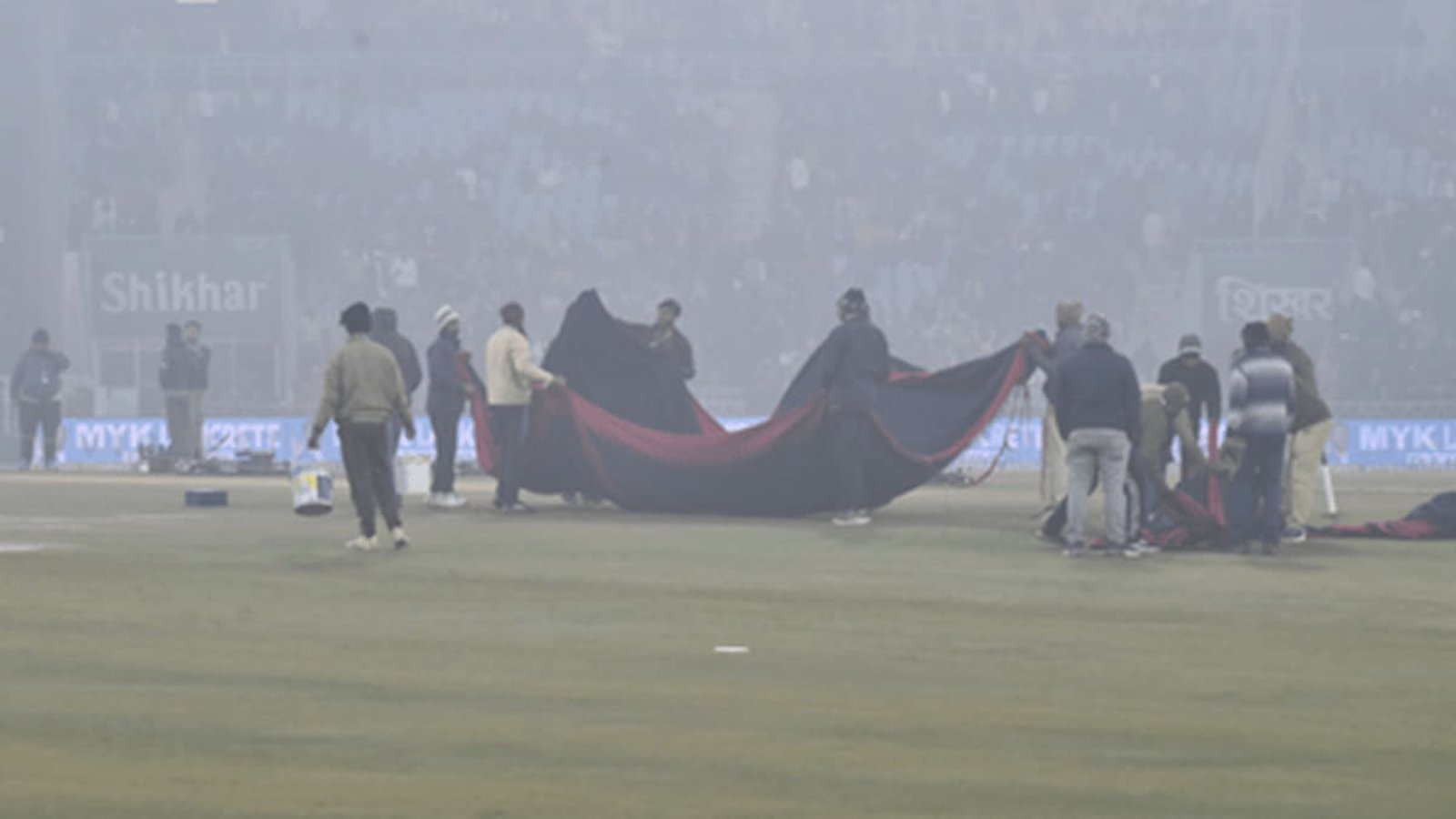
Match officials conducted multiple inspections throughout the evening, assessing visibility conditions for both players and spectator safety. Umpires Nitin Menon and Chettithody Shamshuddin, in consultation with the captains, determined that the fog was too excessive for play to commence. The crucial factor weighing upon this decision was not merely aesthetic inconvenience, but genuine safety considerations for both batsmen facing deliveries and fielders attempting to take high catches under floodlights with compromised visibility.
Ground staff worked tirelessly, deploying super-absorbent materials to combat moisture from the persistent mist, and the outfield, though damp, was largely deemed playable. However, the primary adversary remained stubborn: dense cloud cover wrapped the stadium in an impenetrable veil, drastically reducing visibility to unsafe levels for professional cricket.
The abandonment heightens India’s challenging start to their home season, disrupting rhythm and match practice for the world’s top-ranked T20 side. For South Africa, the cancellation interrupts their preparations ahead of upcoming assignments, denying batters crucial time in the middle to adapt to subcontinental conditions.
Dharamsala’s status as a cricketing venue paradoxically enhances and impedes its utility for international fixtures. Situated at an altitude exceeding 4,500 feet, its panoramic vistas draw admiration worldwide, with the Dhauladhar mountain range offering a stunning backdrop in clear weather. Yet, these very geographical characteristics render it vulnerable to weather vagaries, particularly post-monsoon inversion layers and temperature fluctuations between October and February.
The Indian cricket board (BCCI) faces recurring challenges in securing reliable weather windows for Dharamsala fixtures. October inaugurals and late-winter matches have previously suffered similar fates. Cricket administrators must balance venue diversity and regional representation with meteorological probability when drafting future itineraries.
Ticket-holders voiced understandable disappointment, having purchased seats for what promised compelling entertainment between two formidable cricketing nations. Local tourism stakeholders, reliant upon international fixtures to attract visitors during off-peak seasons, also felt the economic ripple from the washout.
Looking forward, authorities must evaluate scientific contingency planning, including advanced meteorological monitoring and potential alternative dates earlier or later within domestic and international cricket calendars. Until then, however, Dharamsala’s romance with fog continues to frustrate players, fans, and organizers alike, underscoring nature’s ultimate authority over even the most meticulously planned sporting spectacles.