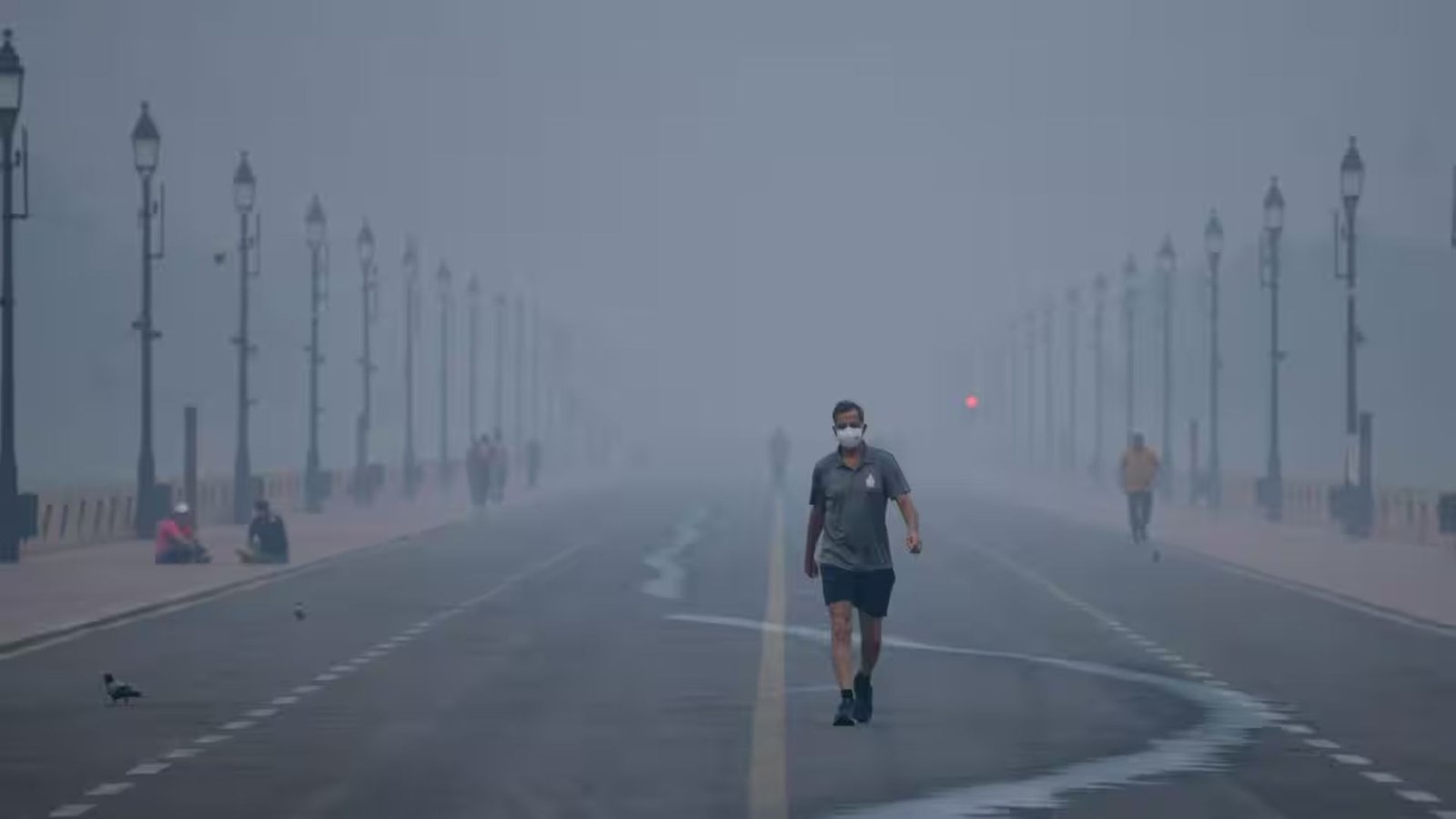
Delhi has tightened its anti-pollution rules under the Graded Response Action Plan (GRAP), a move that is expected to impact nearly 12 lakh (1.2 million) vehicles registered outside the capital. The new restrictions aim to cut vehicular emissions as air quality continues to remain poor during the winter months.
What has changed?
Environment Minister Manjinder Singh Sirsa announced that only BS6-compliant vehicles from outside Delhi will be allowed to enter the city when GRAP Stage III and IV measures are in force. The rule applies to both private and commercial vehicles registered in NCR states such as Uttar Pradesh and Haryana.
In addition, vehicles without a valid Pollution Under Control (PUC) certificate risk being denied fuel at petrol pumps across Delhi. Automatic Number Plate Recognition (ANPR) cameras installed at fuel stations are already being used to identify non-compliant vehicles.
Vehicle owners have been given a short window to ensure compliance with PUC norms.
Enforcement challenges
While the government has begun strict enforcement, petrol pump operators have raised concerns. With over 650 fuel stations in Delhi serving thousands of vehicles daily, pump owners say it may be impractical to manually check PUC certificates for every customer. There are also fears of disputes and delays at fuel stations.
Despite these concerns, enforcement at city entry points has been intensified, with multiple checks in place to stop non-compliant vehicles.
Scale of impact across NCR
The restrictions are expected to affect a large number of daily commuters who travel into Delhi for work and business. Estimated figures suggest:
- Gurgaon: Over 2 lakh non-BS6 vehicles affected
- Noida: More than 4 lakh vehicles impacted
- Ghaziabad: Around 5.5 lakh vehicles restricted
Traffic police data shows that over eight lakh vehicles have already been fined for lacking valid PUC certificates. Nearly 20,000 old vehicles—diesel vehicles older than 10 years and petrol vehicles over 15 years—have also been impounded. Additionally, close to 1,000 non-compliant buses and trucks have been stopped from entering Delhi so far.
Why the government is enforcing these rules
Vehicular emissions are considered one of the biggest contributors to Delhi’s winter air pollution. Experts estimate that vehicles account for up to 40% of particulate pollution in high-traffic areas. The BS6-only entry rule is meant to reduce emissions during peak pollution periods and protect public health.
Alongside vehicle restrictions, GRAP measures also include curbs on construction activity, restrictions on polluting industries, and advisories for remote work during severe air quality conditions.
Public reaction
The sudden announcement has drawn mixed responses from commuters across NCR. Many residents from Noida, Gurugram, and Ghaziabad have expressed frustration over the short notice and the disruption to daily travel. Some have also questioned whether targeting commuters alone is enough without addressing other pollution sources like road dust, construction activity, and industrial emissions.
What drivers should keep in mind
- Non-BS6 vehicles registered outside Delhi cannot enter the city during GRAP Stage III and IV
- Vehicles without a valid PUC certificate may be denied fuel
- Checks are active at city borders and petrol pumps, and violations can lead to fines or delays
As winter pollution persists, these restrictions may continue for some time. Commuters travelling into Delhi from NCR cities are advised to stay updated on GRAP stages and ensure their vehicles meet emission and documentation requirements.
Image Source: Google | Image Credit: Respective Owner