Ceasefire Negotiations Threatened
The ongoing ceasefire negotiations between Israel and Hamas face a critical juncture following Israel’s targeted killing of a senior Hamas commander. According to Hamas chief negotiator Ghazi Hamad, the assassination undermines trust and jeopardizes fragile peace efforts. The commander, identified as Muhammad Zeitoun, was eliminated in an Israeli airstrike in Gaza earlier this week. Hamad condemned the action, stating it demonstrates Israel’s unwillingness to engage sincerely in diplomatic resolutions.
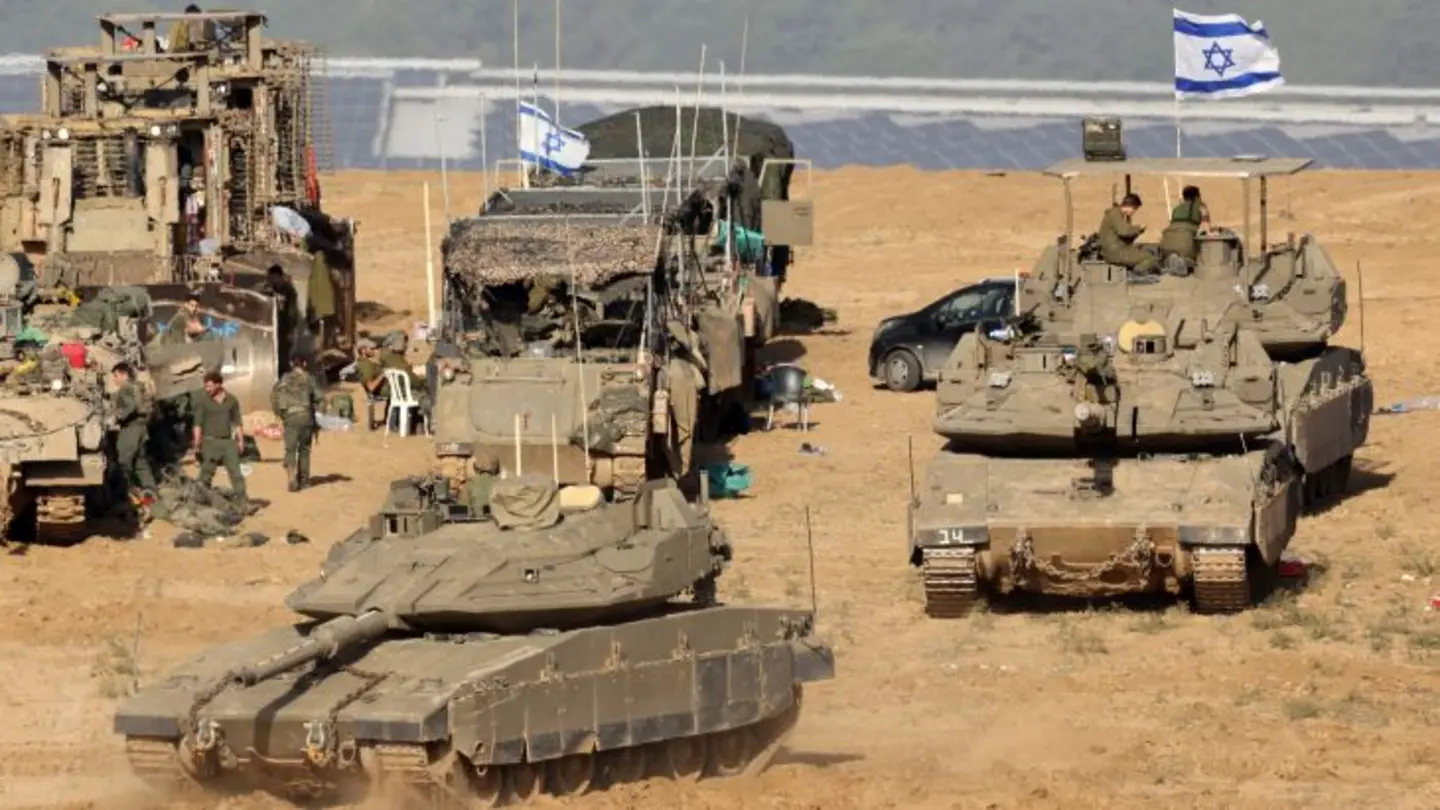
Israeli officials defended the strike, characterizing Zeitoun as a key architect of recent attacks against Israeli forces and civilians. They assert that his removal enhances regional security and protects civilian lives. However, Hamas leaders argue the killing violates agreed-upon ceasefire terms and constitutes an act of war. The incident has sparked intense debate among mediators, including Qatar, Egypt, and the United Nations, who are striving to maintain a tenuous halt to hostilities.
BACKGROUND AND CONTEXT
The ceasefire, brokered after months of intermittent fighting, aimed to address humanitarian concerns and facilitate prisoner exchanges. Zeitoun’s role in Hamas’s military operations made him a controversial figure. Israeli Prime Minister Benjamin Netanyahu’s administration faces domestic pressure to display military strength, while Hamas seeks to portray the incident as foreign aggression. Analysts suggest the assassination could reload cycles of retaliation, risking a resurgence of violence.
INTERNATIONAL REACTIONS
International observers have expressed alarm. The UN Security Council called an emergency session, urging restraint from both parties. Secretary-General Antonio Guterres emphasized that lasting peace requires dialogue, not unilateral military actions.Regional allies, including Jordan and Saudi Arabia, have urged Israel to exercise caution, fearing broader conflict could destabilize already tense border states. Meanwhile, Palestinian authorities condemned the strike as a violation of international law and a barrier to future negotiations.
IMPLICATIONS FOR FUTURE TALKS
Negotiators now face a race against time. Hamas has demanded explicit guarantees that Israel will refrain from further targeted killings as a precondition for continuing talks. Israel, however, refuses to negotiate security constraints, insisting it retains the right to defend its citizens. This impasse threatens to collapse mediation efforts, potentially reigniting hostilities that have caused thousands of casualties over the past year.
Humanitarian organizations warn that renewed fighting would exacerbate existing crises: displacement, food shortages, and medical supply deficits already affect over two million residents in Gaza. Aid groups appeal to both sides and international partners to prioritize civilian safety and resume negotiations under supervised conditions. The coming weeks will test whether diplomatic channels can survive escalatory tactics or if the region will descend back into conflict.
Image Source: Google | Image Credit: Respective Owner