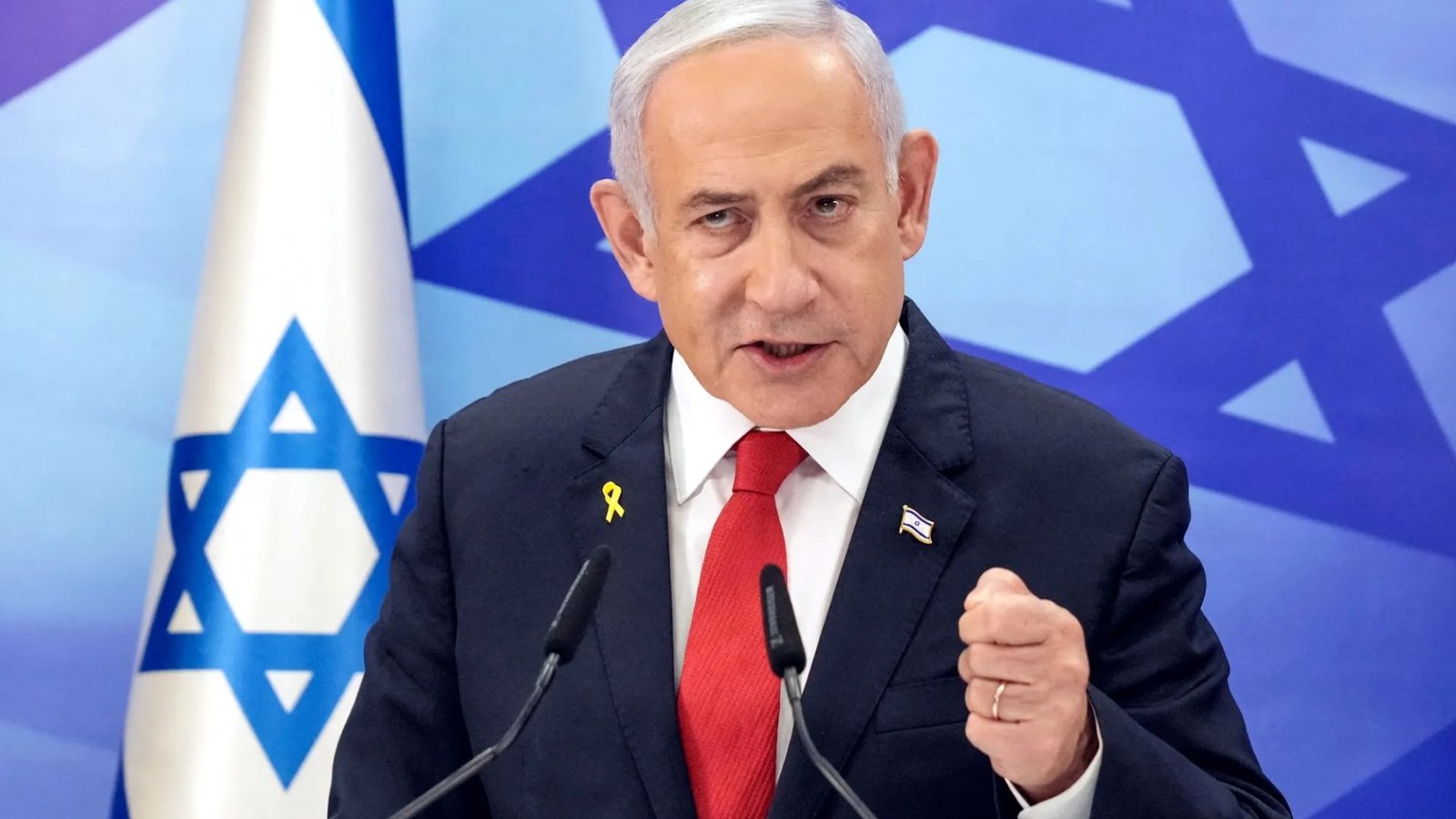
Following a shocking shooting at Bondi Beach in Sydney, Israeli Prime Minister Benjamin Netanyahu revealed he had previously warned his Australian counterpart about the escalating threat of antisemitism in the country. The incident, which occurred on a busy Saturday afternoon, saw a gunman open fire in a crowded area, sending panic through the renowned tourist destination.
Netanyahu, speaking from Jerusalem, stated he had conveyed Israel’s deep concerns to Australian Prime Minister Anthony Albanese regarding rising antisemitic activities. “I told the Prime Minister of Australia that we must act decisively against this evil phenomenon,” Netanyahu emphasized during a press briefing. The warning comes amid growing tensions over Israel’s military actions in Gaza and widespread protests across Western nations.
The Bondi Beach shooting, though not immediately linked to a specific motive, has reignited debates about security measures and hate crimes in Australia. Police confirmed multiple casualties and apprehended a suspect, though details about the attacker’s background remain under investigation. Witnesses described scenes of chaos as bystanders rushed to shelter or assisted injured individuals.
Antisemitism in Australia has seen a notable surge over the past year, according to monitoring groups. Incidents including vandalized synagogues, hate speech, and online harassment have prompted Jewish communities to heighten security measures. Leaders from various faiths have called for unified action to combat discrimination in all its forms.
Government officials have responded to the tragedy by promising increased police presence in vulnerable areas and reviewing existing counterterrorism protocols. Albanese, who condemned the violence, affirmed his government’s commitment to protecting all citizens regardless of religion. “Australia is a nation built on tolerance and respect,” he stated, “and we will not tolerate those who seek to spread hatred.”
The incident also sparked global conversations about the intersection of political dissent and violence. Pro-Palestinian demonstrations, which have intensified since October 2023, occasionally feature antisemitic rhetoric, raising concerns among Jewish communities worldwide. Analysts suggest that while most protesters express legitimate political grievances, a fringe element exploits the movement for hateful purposes.
European and North American governments have faced similar challenges balancing free speech with the need to root out extremism. Recent acts of violence in Germany, France, and the United States have led to stricter monitoring of hate groups and faster law enforcement responses. Australian authorities now face pressure to adopt comparable strategies.
Community organizations are mobilizing to support affected families and reinforce security at places of worship. Interfaith initiatives have gained momentum, with leaders from Christian, Muslim, and Hindu communities standing in solidarity with Jewish Australians. “This attack targets us all,” said Imam Hassan from Sydney’s Central Mosque. “We must stand together against any form of hatred.”
Educational programs aiming to combat prejudice are expanding nationwide. Schools and universities are integrating modules on Holocaust history and contemporary antisemitic trends into curricula. Experts argue that long-term solutions require addressing underlying social divisions and fostering empathy through dialogue.
The Bondi Beach incident serves as a grim reminder of the persistent challenges nations face in maintaining social cohesion amid geopolitical turmoil. As investigations continue, policymakers emphasize the importance of international cooperation in sharing intelligence and best practices to safeguard public safety.
Image Source: Google | Image Credit: Respective Owner