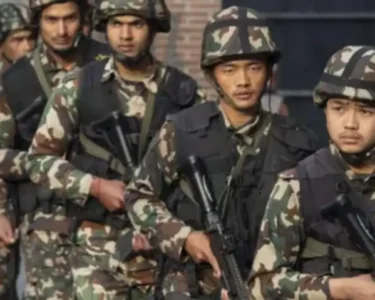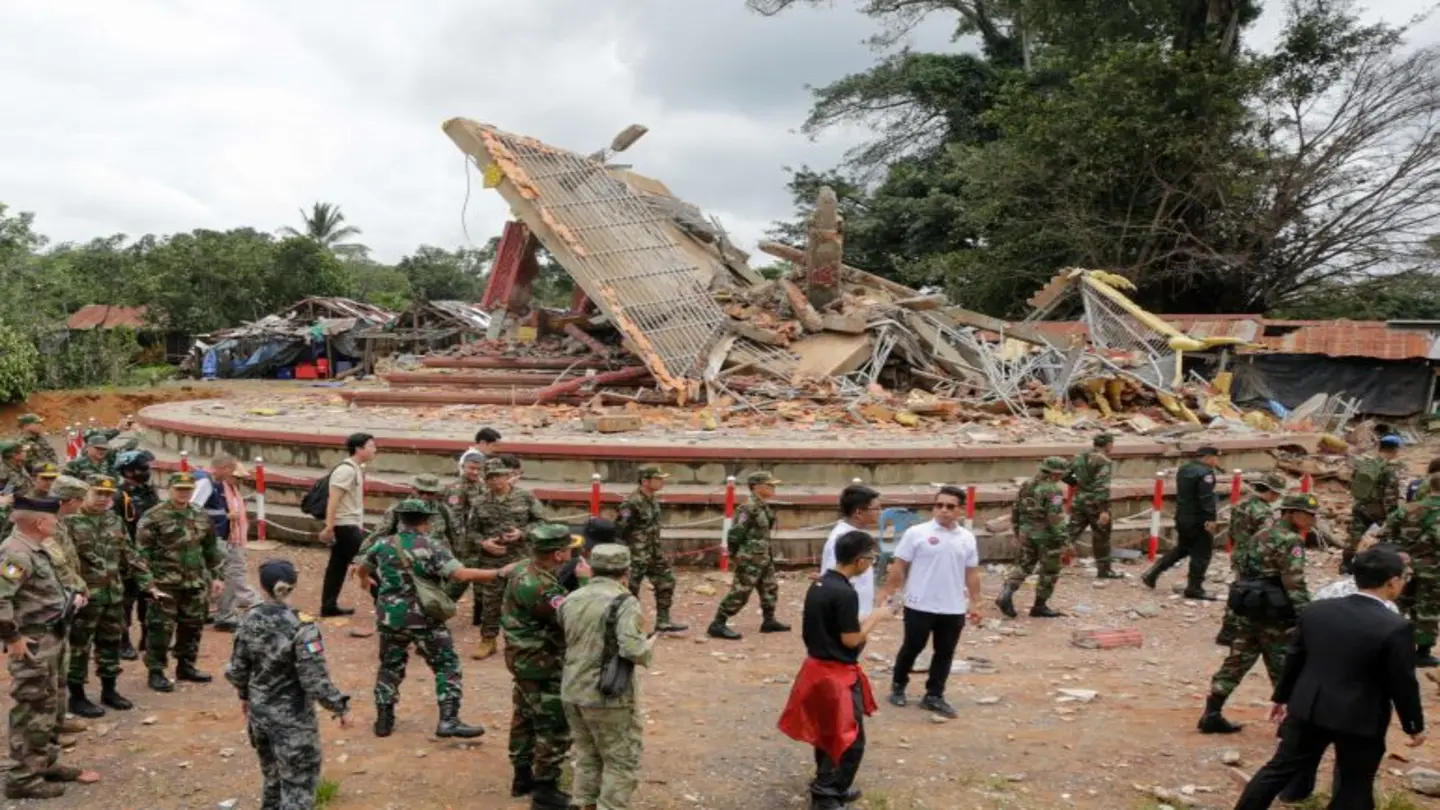
Fighting between Thailand and Cambodia continues unabated despite claims by former U.S. President Donald Trump of a ceasefire agreement between the two Southeast Asian neighbors. Border skirmishes have escalated in recent days, with both nations reporting casualties and renewed troops deployments along their disputed frontier.
The conflict centers on the century-old territorial dispute over the Preah Vihear temple complex, a UNESCO World Heritage site situated near the border. Thai forces have maintained control of the temple since 1962, but Cambodia has long contested this sovereignty, leading to periodic military confrontations since 2008.
Trump’s unexpected intervention came during a press briefing where he asserted that both countries had “agreed to a ceasefire” through backchannel communications. Neither Thailand nor Cambodia has officially confirmed this claim, and military operations have intensified rather than diminished since the statement.
Thai government spokespersons dismissed Trump’s remarks as “uninformed speculation,” emphasizing that ongoing diplomatic efforts through ASEAN frameworks remain the primary resolution channel. Cambodian officials, meanwhile, expressed skepticism but welcomed any international effort to de-escalate tensions.
The latest clashes occurred near the temple precincts, with artillery exchanges reported on both sides. Analysts note that monsoon Season terrain complications could prolong the standoff, as dense forests and flooded fields create natural barriers while complicating mediation attempts.
Regional observers warn that prolonged hostility risks destabilizing the Association of Southeast Asian Nations (ASEAN) collective security mechanisms. Economic repercussions are alreadyvisible, with cross-border trade routes interrupted and tourism operators in both countries reporting significant losses.
International monitoring groups have urged both nations to implement an immediate ceasefire and return to the 2013 Memorandum of Understanding that established a demilitarized zone around the temple. However, military commanders on the ground report continued reconnaissance patrols and fortified position constructions.
Historical context remains crucial: the temple’s Khmer-era construction (9th-11th centuries) symbolizes broader regional identity contestations. Thailand views control as essential to national honor, while Cambodia leverages UNESCO designation to bolster its cultural sovereignty claims.
Diplomatic channels remain active, with Indonesia’s ASEAN chairmanship proposing emergency ministerial consultations. China has expressed concern about regional stability affecting its Belt and Road infrastructure projects, while Japan urged restraint through its embassies in Bangkok and Phnom Penh.
Both countries maintain approximately 10,000 troops within 10 kilometers of the border, with skirmish frequencies increasing by 40% compared to annual averages. Casualty figures remain disputed, though medical facilities in Si Sa Ket (Thailand) and Oddar Meanchey (Cambodia) report treating dozens of personnel since hostilities resumed.
Humanitarian impacts are emerging, with ethnic Thai-Cambodian communities along the border reporting displaced families and disrupted agricultural cycles. Local NGOs have established emergency food banks, but limited cross-border access complicates relief efforts.
Analysts suggest Trump’s unsolicited mediation reflects broader patterns of ad-hoc foreign policy interventions characteristic of his administration. Experts in international law caution that unilateral ceasefire declarations lack binding authority under the Geneva Conventions without reciprocal confirmation from sovereign states.
The situation remains fluid, with observers monitoring weather patterns that could either freeze current positions during rainy season or enable renewed offensives if dry conditions return earlier than expected. ASEAN’s credibility rests increasingly on its ability to manage this long-standing dispute through constructive dialogue rather than allowing external actors to shape outcomes.
Image Source: Google | Image Credit: Respective Owner