Delhi Implements GRAP 4 Amid Severe Air Crisis
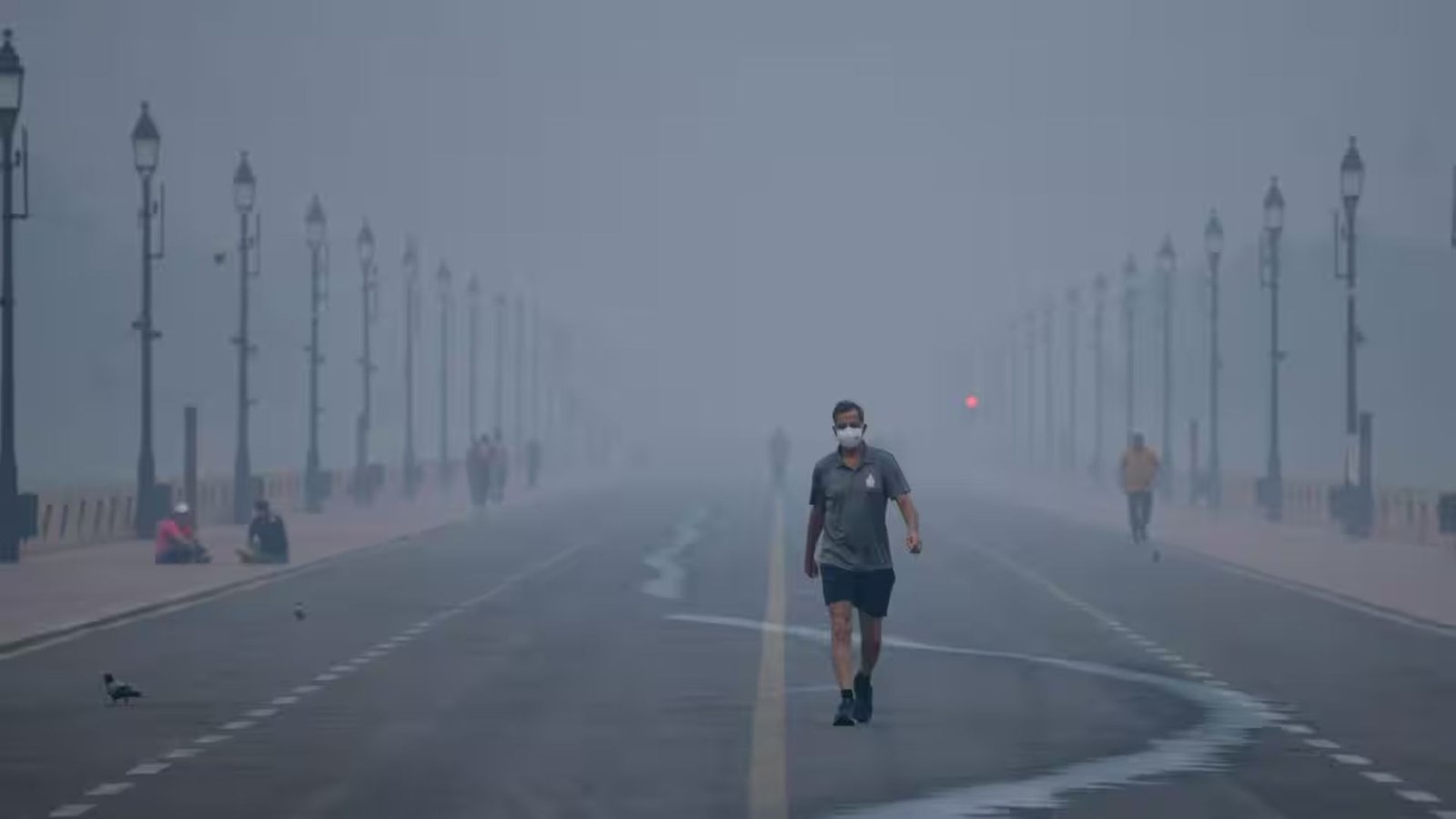
Delhi authorities have activated the fourth stage of the Graded Response Action Plan (GRAP) following an Air Quality Index (AQI) that exceeded 400, marking severe pollution levels in the national capital. This emergency measure aims to curb rising particulate matter concentrations that pose significant health risks to residents.
Under GRAP 4, stringent restrictions have been imposed across multiple sectors. Construction activities, including demolition and paving, face a complete halt to prevent additional dust and particulate emissions. All bulk generators and diesel-powered vehicles not compliant with BS VI norms are prohibited from operation within Delhi’s municipal limits. The government has also mandated a 50% reduction in industrial production activities, allowing only essential manufacturing to continue with strict emission controls.
School closures have been extended until further notice, while public institutions and private offices are encouraged to implement remote work policies wherever feasible. The Delhi government has intensified mechanized sweeping of roads and deployed additional water sprinklers to suppress dust. Emergency health services have been expanded, with free screenings and treatments for respiratory illnesses made available at designated hospitals.
These measures build upon earlier GRAP stages that included bans on open burning, restrictions on older vehicles, and curbs on agricultural stubble burning in neighboring states. Despite previous interventions, officials emphasize that GRAP 4 represents Delhi’s most aggressive response to date amid worsening seasonal pollution patterns.
Environmental experts warn that prolonged exposure to AQI levels above 400 can trigger asthma attacks, cardiovascular problems, and long-term lung damage. Citizens are advised to remain indoors, use air purifiers when available, and wear N95 masks when venturing outside. Real-time air quality monitoring remains active, with public alerts issued through mobile apps and traffic signal displays.
The implementation of GRAP 4 highlights ongoing challenges in managing Delhi’s air quality crisis, which is exacerbated by geographical factors, vehicular emissions, and regional agricultural practices. Policy analysts suggest complementary long-term strategies including greener public transportation and stricter building codes may be necessary alongside emergency measures.
Image Source: Google | Image Credit: Respective Owner