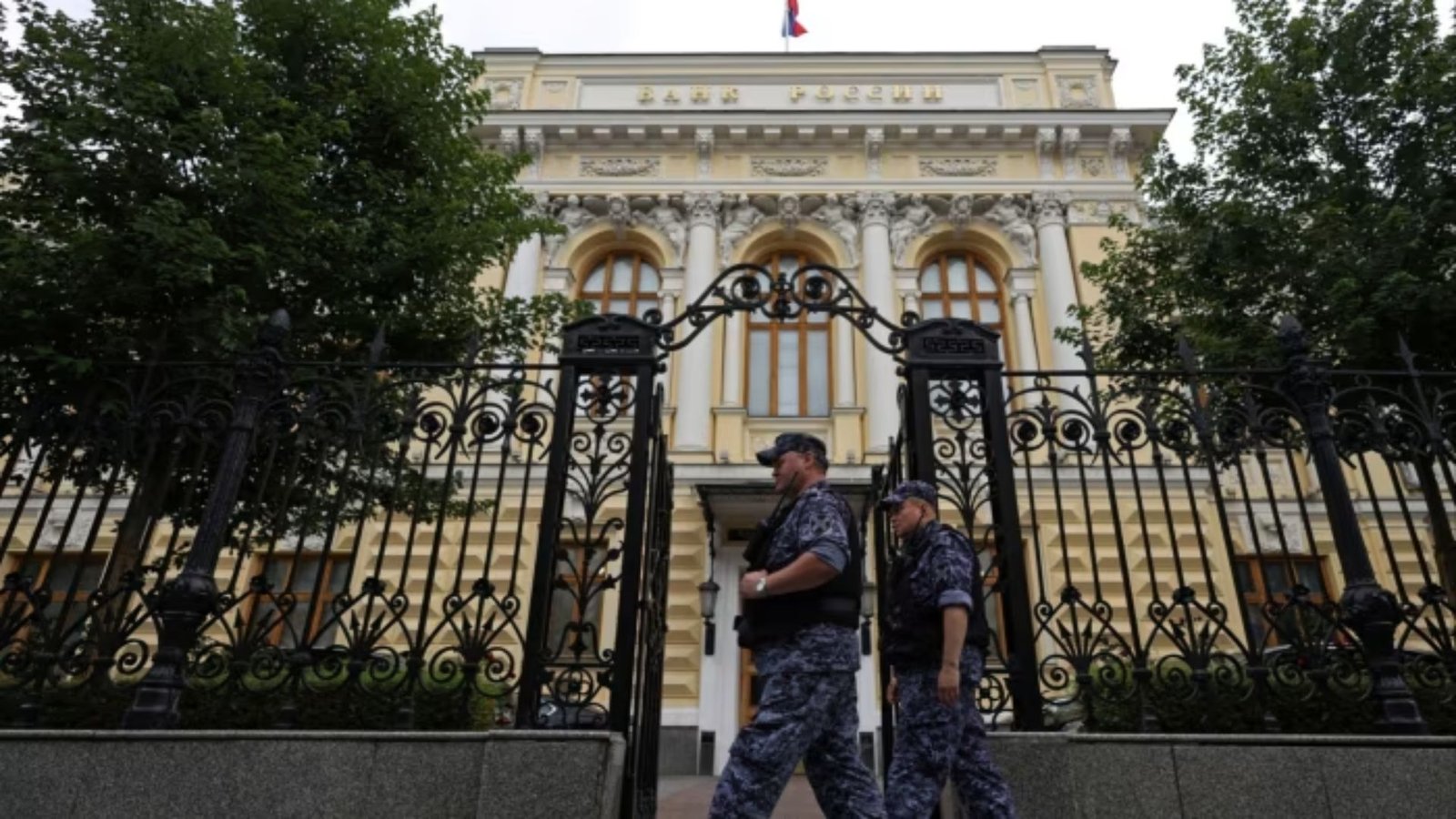
The Russian Central Bank has filed a lawsuit against Euroclear, a major euro clearing house, in a developments stemming from the European Union’s plan to utilize frozen Russian assets to fund aid for Ukraine. The legal action, disclosed this week, marks an escalation in the financial battle between Russia and Western institutions since the onset of the conflict in Ukraine over two years ago.
Euroclear, which processes euro transactions for institutional clients worldwide, holds an estimated €10 billion in assets linked to the Russian government and state-owned enterprises that have been frozen following sanctions imposed after Russia’s invasion of Ukraine in February 2022. The EU, seeking ways to support Kyiv’s war effort without violating international law, announced last month a scheme to redirect the income generated by these frozen assets – primarily interest and dividends – to finance military and humanitarian assistance for Ukraine.
In its lawsuit, filed in a Brussels court, Russia’s central bank alleges that Euroclear’s operations with Russian assets constitute illegal seizure and demands compensation. The bank argues that the EU’s proposed use of income from frozen assets sets a dangerous precedent for the sanctity of financial contracts and could destabilize global markets. “This action by Euroclear, under pressure from political forces, violates our property rights and undermines confidence in international financial systems,” a spokesperson for the Central Bank stated.
The EU’s plan, still undergoing legal review, faces opposition not only from Russia but also from some member states concerned about the legality and potential retaliatory measures. Critics argue that using income from frozen assets, rather than the principal amounts, tests the boundaries of existing sanctions regimes and could invite similar actions against other nations’ assets in future conflicts.
Belgium, where Euroclear is headquartered, has indicated it will defend the company against the lawsuit, asserting that the EU’s initiative complies with international law and serves a greater humanitarian purpose. “The aim is to provide critical support to Ukraine while ensuring that Russia’s war machine is starved of resources,” a Belgian government official told reporters.
The outcome of the lawsuit could have far-reaching implications for how frozen assets are handled in future geopolitical crises. Financial analysts suggest that if the court rules in favor of the EU, other sanctioned entities might see a precedent for using income from frozen assets, potentially leading to a proliferation of similar measures. Conversely, a ruling favoring Russia could reinforce the protection of state assets under international law, limiting the tools available to Western allies.
Meanwhile, the conflict in Ukraine continues to exact a toll on global economies, with energy markets and trade flows remaining volatile. Russia has previously threatened to respond asymmetrically to any perceived encroachment on its financial interests, including through cyberattacks or trade restrictions. The EU, however, remains steadfast in its support for Ukraine, viewing the asset income initiative as an ethical and strategic necessity.
Experts warn that the legal battle may also influence upcoming negotiations over war reparations and debt restructuring, particularly if Russia is eventually required to compensate Ukraine for war damages. “This case is not just about one company or one country; it’s about defining the rules of engagement in an era of economic warfare,” said Maria Sokolova, a sanctions specialist at the Overseas Development Council.
As the lawsuit proceeds, stakeholders across the financial world are monitoring developments closely. Banks, asset managers, and sovereign wealth funds are reassessing risk exposures and contingency plans to mitigate potential spillover effects. The case underscores the growing convergence of finance and geopolitics, where monetary policy and legal strategies become front-line weapons in international disputes.
Image Source: Google | Image Credit: Respective Owner