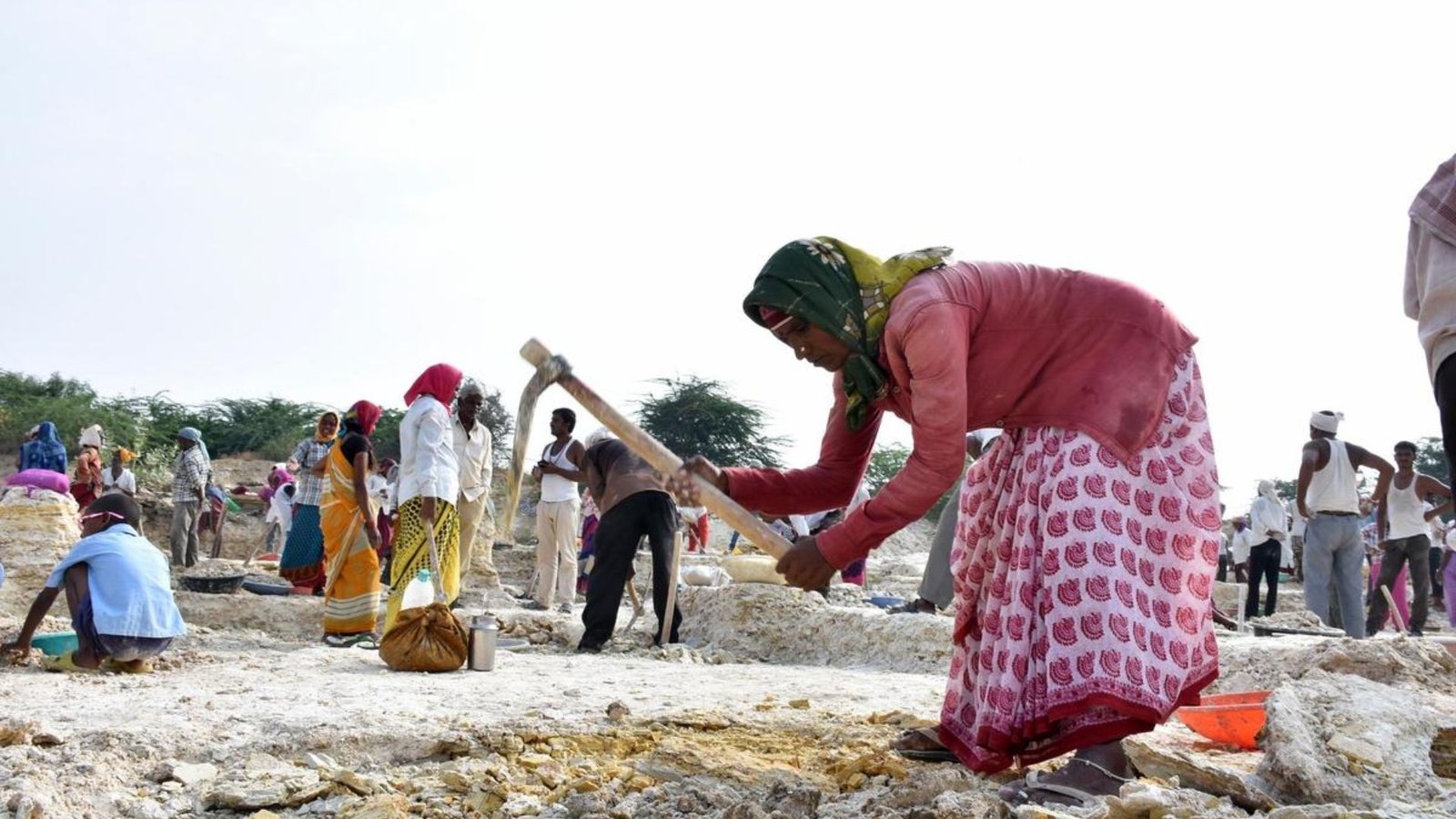
Government Announces Major Rename of Rural Employment Scheme
The Indian government is set to rebrand the Mahatma Gandhi National Rural Employment Guarantee Scheme (MGNREGS) as the ‘Pujya Bapu Gramin Rozgar Yojana,’ Payo Bapu referring to Mahatma Gandhi. This decision, confirmed by senior officials, aims to deepen the scheme’s connection to Gandhi’s legacy of rural empowerment and ethical labor practices. The renaming aligns with nationwide commemorations of Gandhi’s 150th birth anniversary, reinforcing the scheme’s mission to uplift rural communities through guaranteed wage employment.
Since its inception in 2005, MGNREGS has provided a safety net for millions of rural households, ensuring at least 100 days of wage employment annually. However, implementation challenges—including fund delays, corruption, and bureaucratic inefficiencies—have periodically undermined its effectiveness. The rebranding is intended to revitalise public trust and stimulate greater participation, particularly among women and marginalized groups who constitute over 70% of scheme beneficiaries. Officials emphasize that operational frameworks, eligibility criteria, and funding mechanisms will remain unchanged, ensuring continuity for existing participants.
The rename has sparked widespread debate. Advocates praise the move for honoring Gandhi’s principles of dignity in labor and self-reliance. “This isn’t just a name change; it’s a reminder of Gandhi’s vision for India’s rural economy,• said Dr. Anita Reddy, a development economist at Jawaharlal Nehru University. Critics, however, question the timing, suggesting political motives ahead of upcoming state elections. Opposition leaders argue that substantive reforms—such as streamlining payment systems and increasing transparency—are more urgent than symbolic gestures.
Minister for Road Transport and Highways Nitin Gadkari, who oversees rural development initiatives, defended the decision during a press briefing. “Our goal is to strengthen the scheme’s impact by rekindling its original spirit. Pujya Bapu championed rural welfare, and this renaming underscores our commitment to his ideals,• he stated. The Ministry of Road Transport and Highways will coordinate with state governments to roll out the new branding across official documents, websites, and awareness campaigns by October.
Administrators in states like Uttar Pradesh, Bihar, and Madhya Pradesh report readiness to adopt the change. “We’ve already begun updating our portals and training field officials,• said Rajesh Kumar, a district employment officer in Bihar. However, some grassroots organizations express concern about potential confusion among villagers accustomed to the old name. Community-based NGOs have been urged to disseminate updated information through local leaders and mobile vanity vans.
Internationally, the revision draws attention from development agencies. The World Bank, which has funded complementary rural projects, issued a statement acknowledging the government’s “strategic effort to reinforce Gandhi’s legacy within national policy.• Experts caution that success hinges on concurrent measures to address chronic issues. “Without tackling delays in wage payments or enhancing skill development components, even the most inspiring name won’t achieve lasting change,• noted Arjun Singh, a policy analyst at the Centre for Policy Research.
Economic analysts project modest short-term benefits, including a potential boost in scheme enrolment due to heightened visibility. Long-term outcomes depend on systemic reforms and economic conditions. Rural unemployment rates, currently hovering near 5.5%, could see marginal improvement if implementation efficiencies are achieved. The government has allocated an additional ₹85,000 crore for the fiscal year, earmarked for expanding infrastructure support under the revised framework.
Environmental advocates also highlight the scheme’s indirect role in conserving common lands through mandatory soil and water conservation work—a provision expected to persist under the new name. This ecological dimension, intertwined with Gandhi’s ethos of stewardship, may attract broader support from climate-focused institutions.
Public reactions remain divided. A social media survey conducted by India Today revealed 58% approval, with respondents citing emotional resonance and educational value. Dissident voices, often aligned with opposition parties, argue that rhetorical gestures distract from governmental inertia on agrarian crises and debt relief for farmers. Despite polarization, consensus exists on the scheme’s critical role in rural livelihoods, making the rebranding a focal point for broader dialogues on welfare policy.
Image Source: Google | Image Credit: Respective Owner