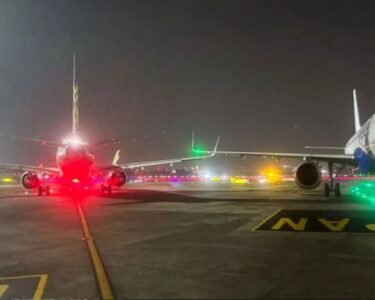
The Winter session of Parliament entered its tenth day with significant developments as Lok Sabha members strongly advocated for the regulation of airfare prices amidst rising consumer concerns. MPs highlighted that uncontrolled price hikes during peak seasons burden travelers and stifle economic mobility, urging the government to intervene through fair pricing mechanisms and industry oversight.
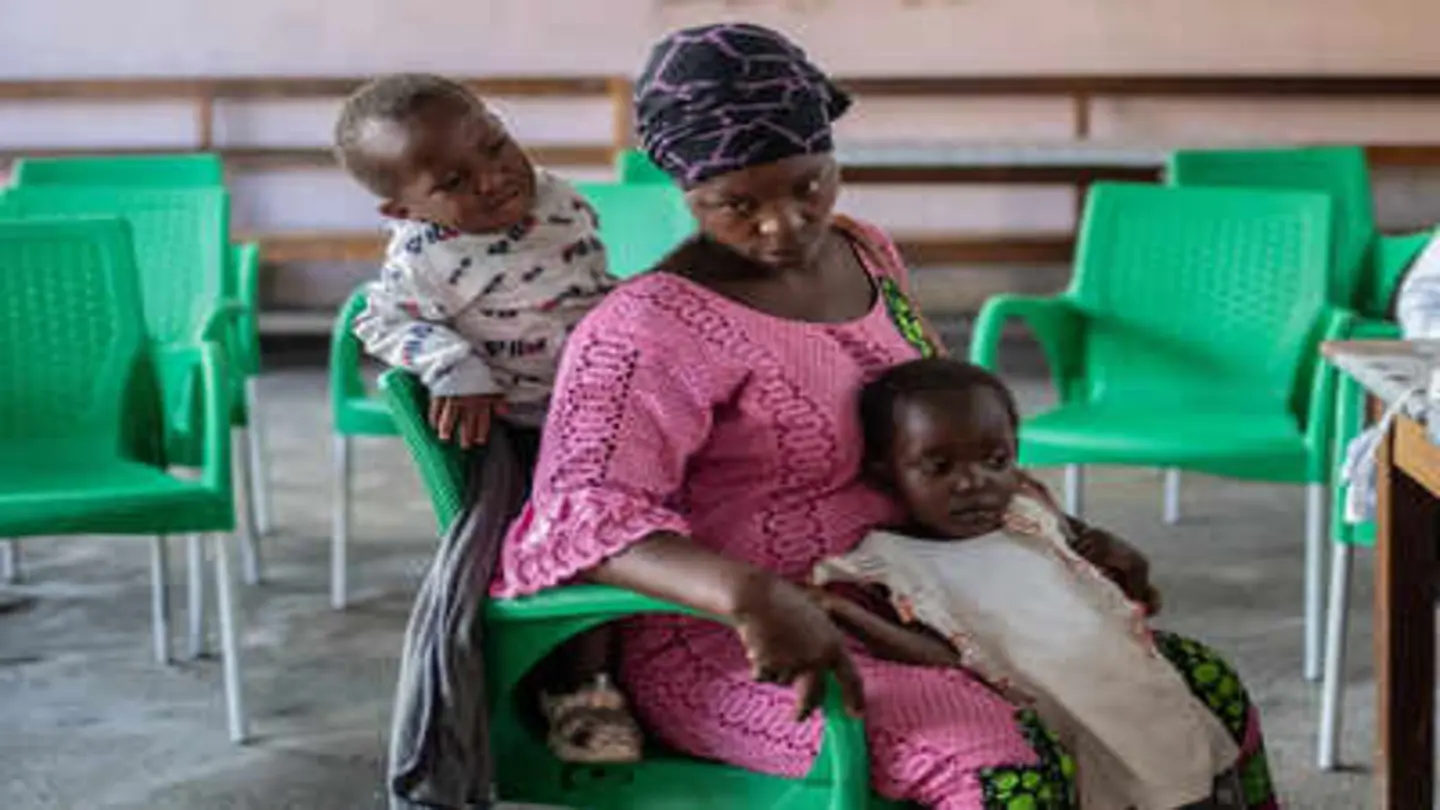
Simultaneously, the Rajya Sabha passed a historic resolution demanding free and compulsory early childhood care services nationwide. Members emphasized that accessible pre-primary education and healthcare are foundational to national development, arguing that investing in young children’s well-being yields long-term socioeconomic benefits.
Debates in both houses reflected broader electoral and policy priorities ahead of upcoming state elections. Senior leaders from various parties tabled motions linking airfare regulation to rural connectivity improvements, while childcare advocates stressed inclusive growth that bridges urban-rural divides.
The Lok Sabha discussion featured passionate speeches from representatives of tourism-dependent constituencies, who warned that unchecked airfare inflation could deter domestic and international travelers. They cited data showing a 22% surge in ticket prices over the past year, disproportionately affecting middle-class families and small businesses.
In contrast, the Rajya Sabha resolution framed early childhood care as a fundamental right rather than welfare perk. Experts presenting before the house noted that India currently lags behind global benchmarks with only 35% of children aged three to six enrolled in structured learning environments.
Both chambers acknowledged implementation challenges, particularly fiscal constraints and logistical hurdles in remote regions. Compromise proposals suggested phased rollouts combined with public-private partnerships to balance immediate needs against sustainable financing models.
The dual focus on transportation affordability and foundational education underscores Parliament’s attempt to address contemporary living-cost anxieties while projecting visionary social policy agendas. Opposition parties criticized the government’s reactive stance, demanding concrete timelines for legislative action rather than procedural assurances.
As proceedings concluded, many analysts viewed these debates as litmus tests for parliamentary efficacy in tackling 21st-century governance complexities. The outcomes will likely influence voter sentiment in key electoral battlegrounds while shaping India’s developmental trajectory over the next decade.
Image Source: Google | Image Credit: Respective Owner