Defining Geomagnetic Storms: Impact on Historical Records
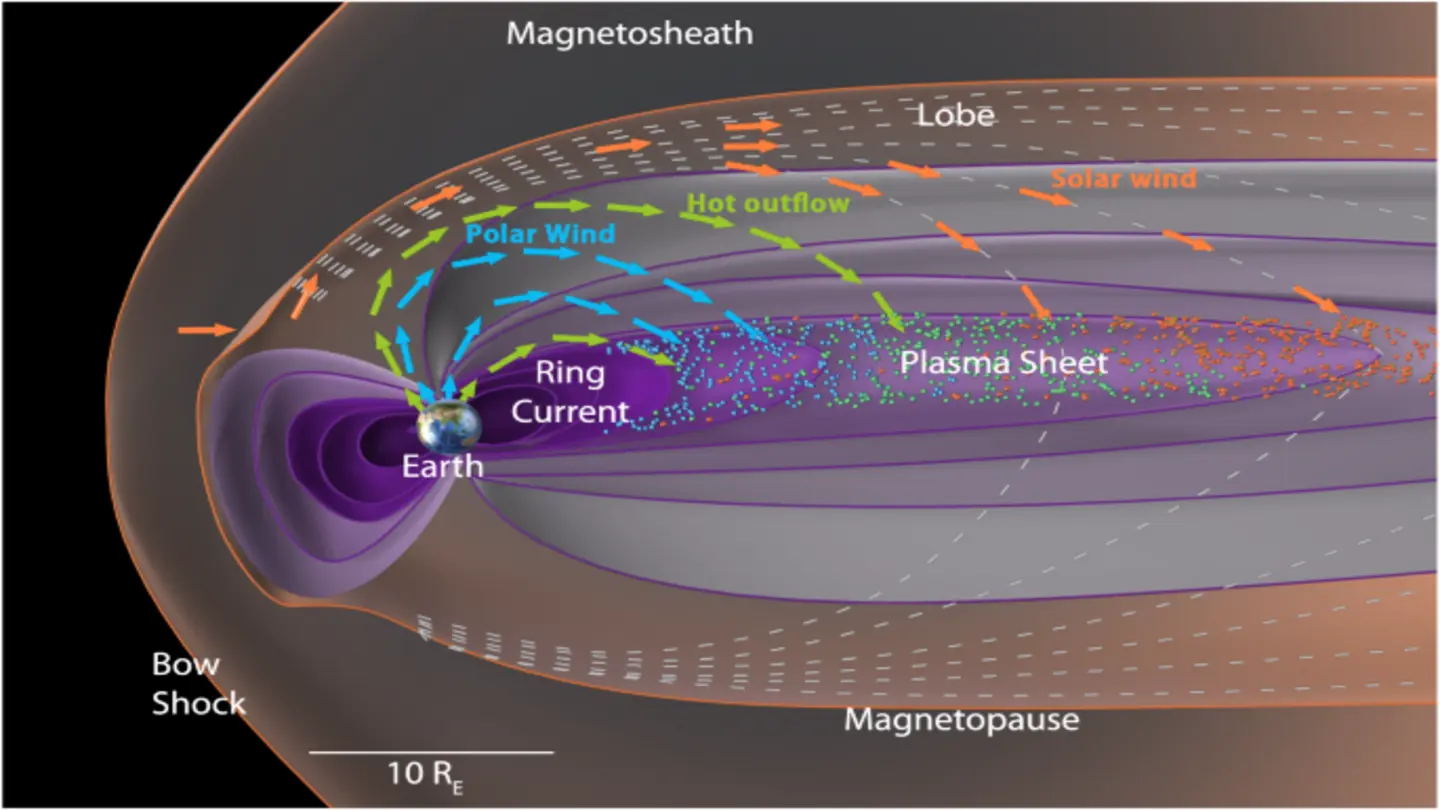
Researchers from the ESS Open Archive have published a detailed examination of how varying definitions for geomagnetic storms directly shape the composition of official storm catalogues. Geomagnetic storms, intense disturbances in Earth’s magnetosphere triggered by solar wind variations, are measured using indices such as the Kp and Dst values. However, the thresholds used to classify an event as a storm differ across agencies and studies, leading to inconsistencies in historical databases. This paper analyzes three major storm lists compiled over the past 40 years, revealing that stricter criteria exclude moderate events, while broader definitions capture more occurrences. Such disparities create challenges for climate scientists studying long-term solar-terrestrial interactions and for agencies responsible for infrastructure protection.
The study highlights a critical example: between 1995 and 2015, applying the NOAA-operated threshold reduced recorded severe storms by 18% compared to the ESA’s broader framework. These differences propagate into predictive models, potentially undermining preparedness efforts for future space weather events. The authors argue that harmonizing classification standards—potentially through an internationally agreed-upon benchmark combining ground-based and satellite observations—could significantly improve data reliability. They also caution that machine learning tools trained on inconsistently labeled datasets may inherit biases, reducing forecast accuracy during high-risk solar cycles.
Beyond academic interest, the findings carry practical implications for power grid operators, satellite manufacturers, and aerospace insurers. Accurate storm histories inform design specifications for radiation-hardened electronics and contingency planning for geomagnetically induced currents (GICs). The ESS team proposes a hybrid definition incorporating real-time magnetometer readings alongside upstream solar wind parameters, aiming to balance sensitivity with operational feasibility. Collaboration between national space weather centers, including NOAA, ESA, and ISRO, is already underway to test this approach during the upcoming solar maximum period predicted for 2024–2025.
Ultimately, the research underscores a fundamental principle in space weather science: observation protocols are not neutral. The definition acts as a filter, determining which physical phenomena enter the historical record. As solar activity ramps up, pressure will grow to resolve these classification gaps swiftly, ensuring that storm lists reflect a coherent, globally applicable reality rather than fragmented regional perspectives.
Image Source: Google | Image Credit: Respective Owner