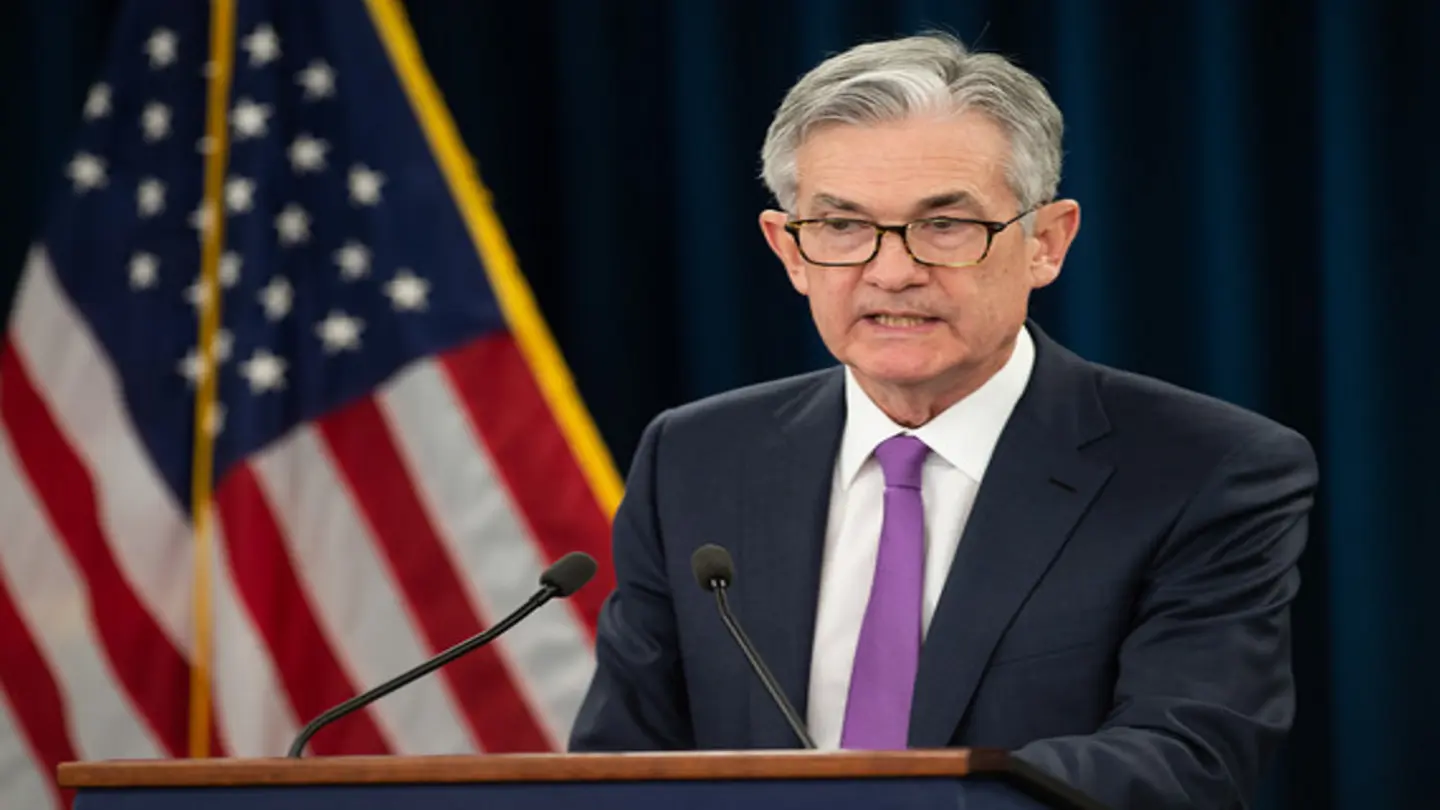
Fed Chief Powell Addresses Dual Mandate Challenges
The Federal Reserve concluded its highly anticipated meeting today, with Chairman Jerome Powell emphasizing the complexity of managing America’s economic priorities. In remarks following the policy decision, Powell stated, “We can’t do two things at once,” highlighting the inherent trade-offs central banks face in balancing inflation control and economic growth.
The Fed kept its benchmark interest rate steady at a 23-year high, reflecting ongoing efforts to navigate persistent inflation while avoiding a recession. Powell acknowledged that despite recent progress in cooling consumer prices, the path forward remains uncertain. “Inflation is still too high,” he said, “and we must remain resolute in our commitment to achieving our 2% target.”
The statement reinforced the Fed’s cautious approach, with policymakers signaling potential rate cuts later this year contingent on economic data. This stance has immediate implications for markets, consumers, and businesses. Higher borrowing costs have already dampened housing and automotive sectors, while mixed signals on future policy create volatility in equity markets.
Economists note that Powell’s remarks underscore a fundamental dilemma: aggressive rate hikes risk tipping the economy into contraction, yet premature easing could allow inflation to resurge. “The Fed is walking a tightrope,” said Sarah Eisen, an analyst at UBS. “Every move now carries significant risk amid global uncertainties.”
The labor market remains a key factor. Despite robust job creation, wage growth has moderated, offering some relief to policymakers battling price pressures. However, geopolitical tensions and energy price fluctuations add external risks that complicate the Fed’s forecasting.
Investors reacted cautiously to the outcome. Major indices showed modest gains as traders digested the nuanced policy outlook. Bond yields edged higher, reflecting expectations of delayed rate reductions. In currencies, the dollar held gains against major peers amid ongoing safe-haven demand.
Going forward, the Fed will closely monitor inflation reports, employment data, and consumer spending patterns. Powell indicated that a “data-dependent” approach will guide any future adjustments, emphasizing that “patience and vigilance” remain essential in this delicate phase of monetary policy.
The meeting marks another milestone in the Fed’s longest tightening cycle since the early 1980s. As the central bank strives to achieve its dual mandate of price stability and maximum employment, market participants continue to grapple with the implications of its decisions on portfolios, borrowing costs, and economic prospects.
Image Source: Google | Image Credit: Respective Owner