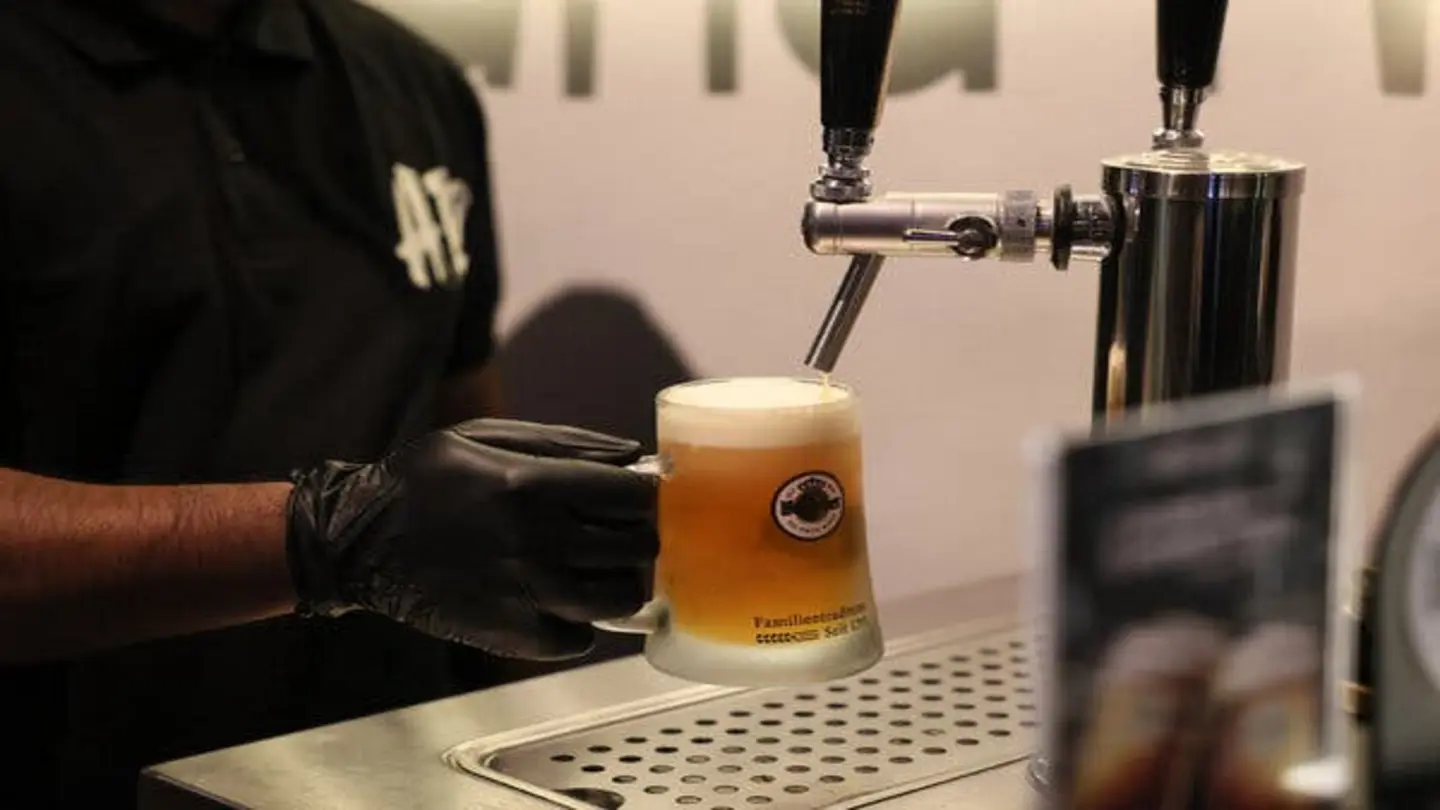
Saudi Arabia has introduced significant changes to its alcohol regulations, allowing wealthy foreign residents to obtain permits to purchase and consume alcohol privately. The move marks a notable shift in the country’s conservative social policies and reflects broader efforts to attract international talent and investors as part of Vision 2030 reforms.
Under the new guidelines, eligibility extends to foreigners holding work visas, residency permits, or study visas who meet specific financial thresholds. Applicants must provide proof of income, typically requiring annual salaries exceeding $5,000, and demonstrate stable employment or academic enrollment. The permits are strictly for personal use, prohibiting public display or distribution of alcohol. Violators face severe penalties, including fines and deportation.
The adjustment has sparked widespread debate both domestically and internationally. Many expatriates welcome the change, citing improved quality of life and competitiveness in attracting global professionals. “This makes Saudi more attractive for skilled workers who previously faced logistical and ethical dilemmas,” said a European engineer based in Riyadh. Others, however, criticize the policy as creating a two-tiered system that privileges affluent outsiders while maintaining strict prohibition for Saudi citizens and low-income residents.
Social media reactions have been polarized. Hashtags like #SaudiAlcoholPolicy and #Vision2030Reforms trend globally, with some users praising the reforms as progressive and necessary for modernization. Critics argue the change contradicts Islamic principles and risks eroding cultural identity. Religious leaders have urged caution, emphasizing that any relaxation must align with Sharia law and national values.
The policy shift aligns with Saudi Arabia’s ambitious Vision 2030 strategy, which aims to diversify the economy, boost tourism, and reduce dependence on oil. Analysts suggest the move could enhance the kingdom’s appeal to multinational corporations and high-net-worth individuals. “It’s part of a larger strategy to position Saudi as a regional hub for business and tourism,” noted a Gulf-based economist.
Despite the easing of restrictions, stringent controls remain. Alcohol must be imported through licensed channels, stored discreetly, and consumed only within private residences. Public drunkenness or unauthorized possession remains a criminal offense. The government has also established monitoring systems to prevent smuggling and black-market activity.
International human rights organizations have called for greater transparency in the implementation process. “While incremental reforms are positive, consistent and equitable application is essential to ensure fairness,” stated a spokesperson for Amnesty International. Advocates also highlight concerns about the potential exploitation of low-wage migrant workers excluded from these benefits.
The reforms are part of a broader trend of social liberalization in Saudi Arabia, including expanded entertainment options, relaxed dress codes for tourists, and increased participation of women in the workforce. Observers speculate that future adjustments may further modify alcohol policies, possibly extending eligibility to more resident categories.
As Saudi continues balancing tradition with modernization, the alcohol permit policy serves as a microcosm of its complex transformation. The outcomes—both social and economic—will likely influence regional dynamics and global perceptions of the kingdom for years to come.
Image Source: Google | Image Credit: Respective Owner