Strategic Realignment
The United States has publicly reaffirmed its strategic partnership with India, emphasizing New Delhi’s growing role as a critical counterweight to China in regional geopolitics. A newly released policy paper from the U.S. State Department underscores India’s importance in Washington’s broader Indo-Pacific strategy, framing the bilateral relationship as essential for regional stability and economic prosperity.
The document, titled “Strengthening Partnerships for a Free and Open Indo-Pacific,” highlights India’s expanding defense cooperation with the U.S., including joint naval exercises and technology-sharing agreements. It also notes New Delhi’s willingness to challenge Chinese assertions in the Indian Ocean and along disputed borders, positioning India as a linchpin in Washington’s efforts to dilute Beijing’s expanding influence.
Economic Dimensions
Beyond security, the paper stresses the economic synergies between the world’s largest democracies. Trade between the U.S. and India surpassed $150 billion in 2023, with American officials expressing optimism about further integration in sectors such as semiconductors, renewable energy, and digital services. The U.S. aims to reduce its economic dependence on China by deepening ties with India, offering technology transfers and investment incentives to bolster Indian manufacturing and infrastructure projects.
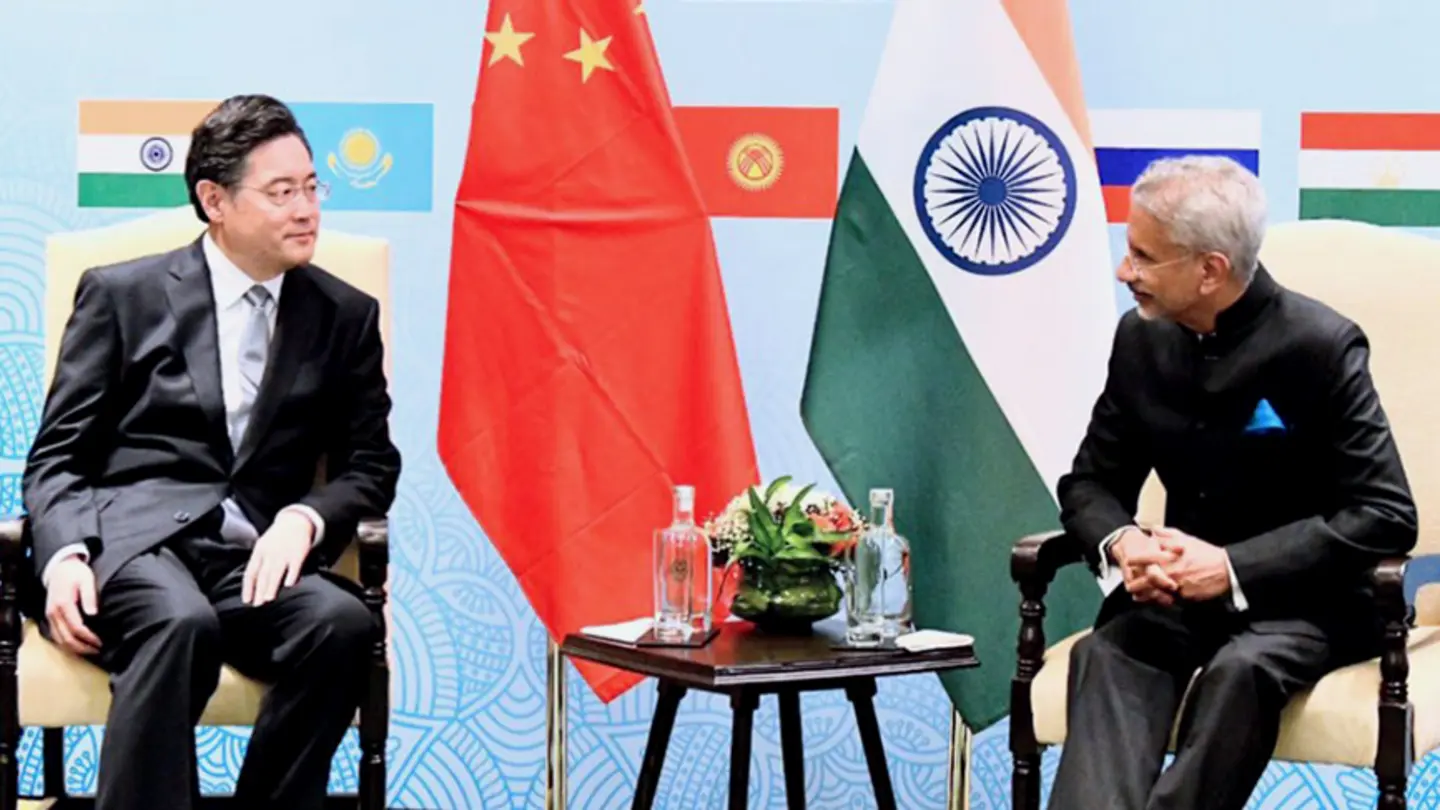
Indian officials welcomed the emphasis on economic collaboration, though they cautioned against expectations of a formal military alliance. “Our partnership with the U.S. is multifaceted,” said External Affairs Minister Subrahmanyam Jaishankar, “and we value America’s commitment to treating India as a strategic partner, not just a transactional one.” Analysts note that India’s cautious balancing act—maintaining trade links with both the U.S. and Russia—reflects its independent foreign policy priorities.
Reactions from Pakistan
The policy paper explicitly dismisses Pakistan’s regional significance in the current U.S.-India framework, a move that has provoked sharp criticism from Islamabad. Pakistani Foreign Ministry spokesperson Mumtaz Zahra Baloch called the assessment “unfounded and short-sighted,” arguing that Pakistan remains vital to regional stability. However, U.S. officials assert that Pakistan’s perceived ties to certain militant groups and its economic instability have diminished its strategic relevance in Washington’s calculus.
Regional analysts suggest the U.S. is deliberately sidelining Pakistan to incentivize New Delhi from pursuing deeper engagements with Moscow, particularly amid ongoing tensions over Russia’s war in Ukraine. India has defended its energy imports from Russia as a pragmatic measure, but the U.S. paper implies that closer alignment with Washington could yield greater economic benefits.
Long-Term Implications
The document also outlines long-term goals, including the expansion of the Indo-Pacific Economic Framework (IPEF) to include India, which could unlock new supply chain opportunities. U.S. policymakers view India’s demographic dividend—a vast, young workforce—and its growing tech sector as assets in competing with China over innovation leadership. However, challenges persist, including India’s protectionist trade policies and lingering differences over climate commitments.
Critics argue the U.S. may be overestimating India’s capacity to absorb heightened geopolitical responsibilities. Domestic political volatility in India, combined with bureaucratic inefficiencies, could slow the implementation of joint initiatives. Nonetheless, both nations recognize the mutual benefits of countering China’s assertiveness, particularly in the maritime domain, where U.S. naval presence has waned since the withdrawal from Afghanistan.
As bilateral talks continue, the success of this strategic pivot will hinge on sustained political will in both capitals. For now, the U.S. has made clear its intent: India is no longer a peripheral partner but a central player in the new era of great-power competition.
Image Source: Google | Image Credit: Respective Owner