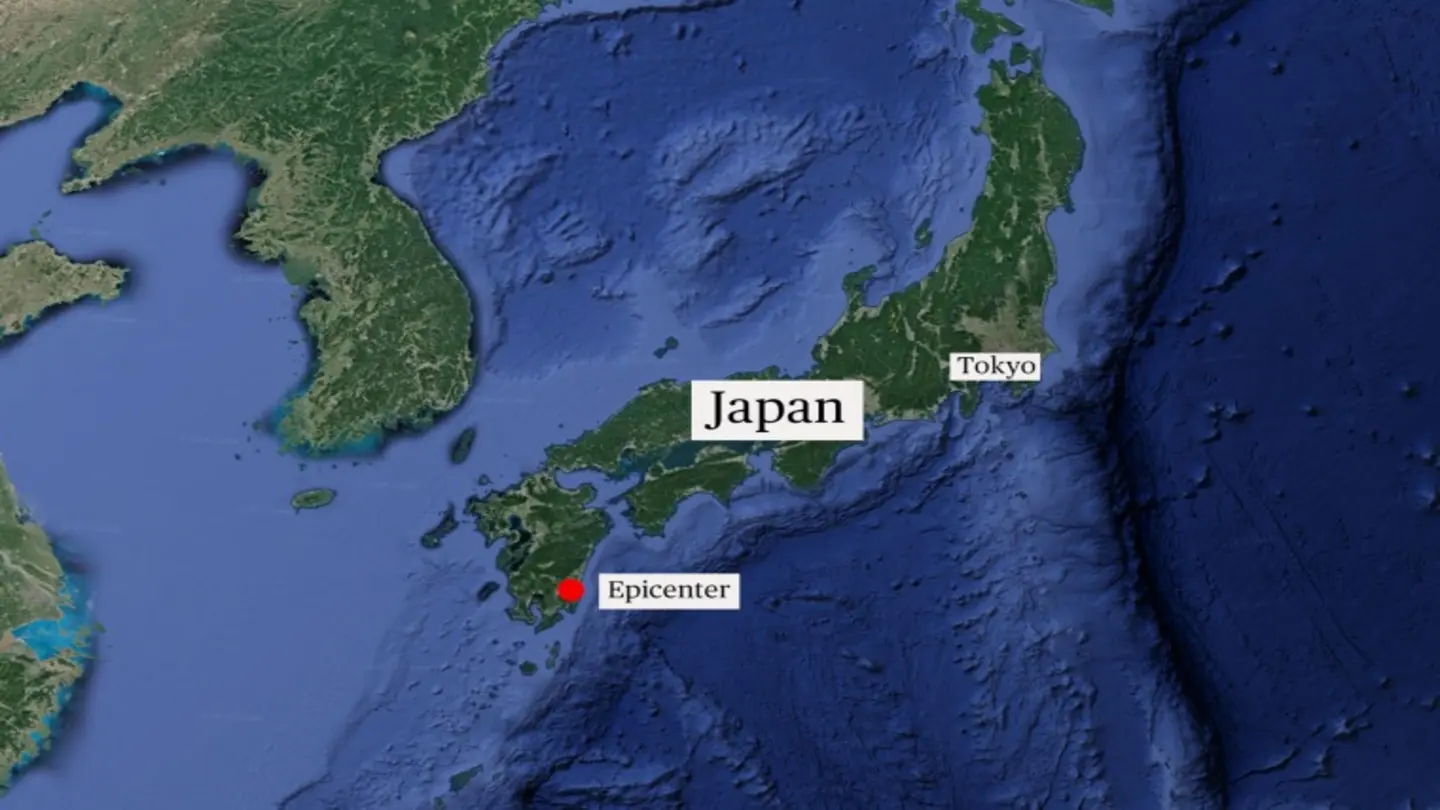
Japan’s Uncommon Megaquake Warning
Japan’s Meteorological Agency has issued a highly unusual “megaquake” advisory following abnormal tectonic shifts beneath the Pacific Ocean. This alert signals potential catastrophic consequences, including a tsunami estimated to reach 98 feet in height and threaten nearly two million lives across coastal regions.
The advisory, triggered by intense seismic monitoring in the region, marks only the third such warning in Japan’s modern history. Such alerts are reserved for events with a less than 1% probability of occurrence in any given year. Scientists emphasize that while the immediate risk remains uncertain, preparations must be prioritized to safeguard vulnerable populations.
Geologists identified unusual activity along the Nankai Trough fault line, a zone historically responsible for massive quakes. Recent data shows pressure buildup suggesting a potential magnitude 8.9 or greater event. Computer models indicate that a quake of this scale could displace massive volumes of seawater, generating waves capable of inundating low-lying areas within minutes.
Evacuation protocols have been activated across prefectures including Tokyo, Osaka, and Fukushima. Emergency broadcasts urge residents to move to higher ground or designated shelters. Coastal infrastructure, including nuclear power plants, is undergoing rigorous safety checks. Public transportation systems have suspended services in affected zones.
Global seismic networks are coordinating with Japanese authorities to refine predictions. International aid organizations stand ready to deploy resources if required. The United Nations Office for Disaster Risk Reduction has offered technical assistance, emphasizing the need for international collaboration in mitigating transboundary risks.
Historical precedents highlight the devastating potential of such events. The 2011 Tohoku quake and tsunami, which caused nearly 16,000 deaths and triggered the Fukushima nuclear disaster, remains a sobering reference point. Experts note that the current tectonic configuration could produce even greater wave heights due to bathymetric factors in the region.
Government simulations suggest economic losses could exceed $300 billion if a worst-case scenario materializes. The Japanese economy, already facing challenges from energy shortages and supply chain disruptions, could experience profound setbacks. Insurance companies are preparing for potential claims involving infrastructure damage, business interruption, and agricultural losses.
Public sentiment remains mixed as authorities balance transparency with caution. While some citizens praise proactive measures, others express anxiety over potential panic. Social media platforms have amplified both official updates and unverified claims, prompting officials to emphasize reliance on verified sources.
Research institutions are analyzing real-time data from underwater sensors and satellite observations. Machine learning algorithms help process vast datasets to identify precursors that might precede a catastrophic event. These efforts aim to extend early warning windows, currently limited to 15-60 minutes for tsunami impacts.
The advisory has sparked global discussions about earthquake prediction capabilities. While science has made advances in monitoring, accurately forecasting megaquakes remains an unresolved challenge. Increased investment in seismic research and infrastructure resilience is likely to emerge as a key policy focus in coming years.
International observers note that Japan’s experience offers valuable lessons for other coastal nations facing similar risks. Sharing technical expertise and developing regional early warning systems could reduce future vulnerabilities. Climate change, through sea-level rise and ocean warming, may further complicate tsunami dynamics, adding urgency to adaptation strategies.
As monitoring continues, the world watches closely. The outcome of this advisory will influence disaster preparedness protocols worldwide, underscoring the interconnected nature of geological risks in an increasingly interdependent global system.
Image Source: Google | Image Credit: Respective Owner