Impeachment Motion Filed Against Madras High Court Justice
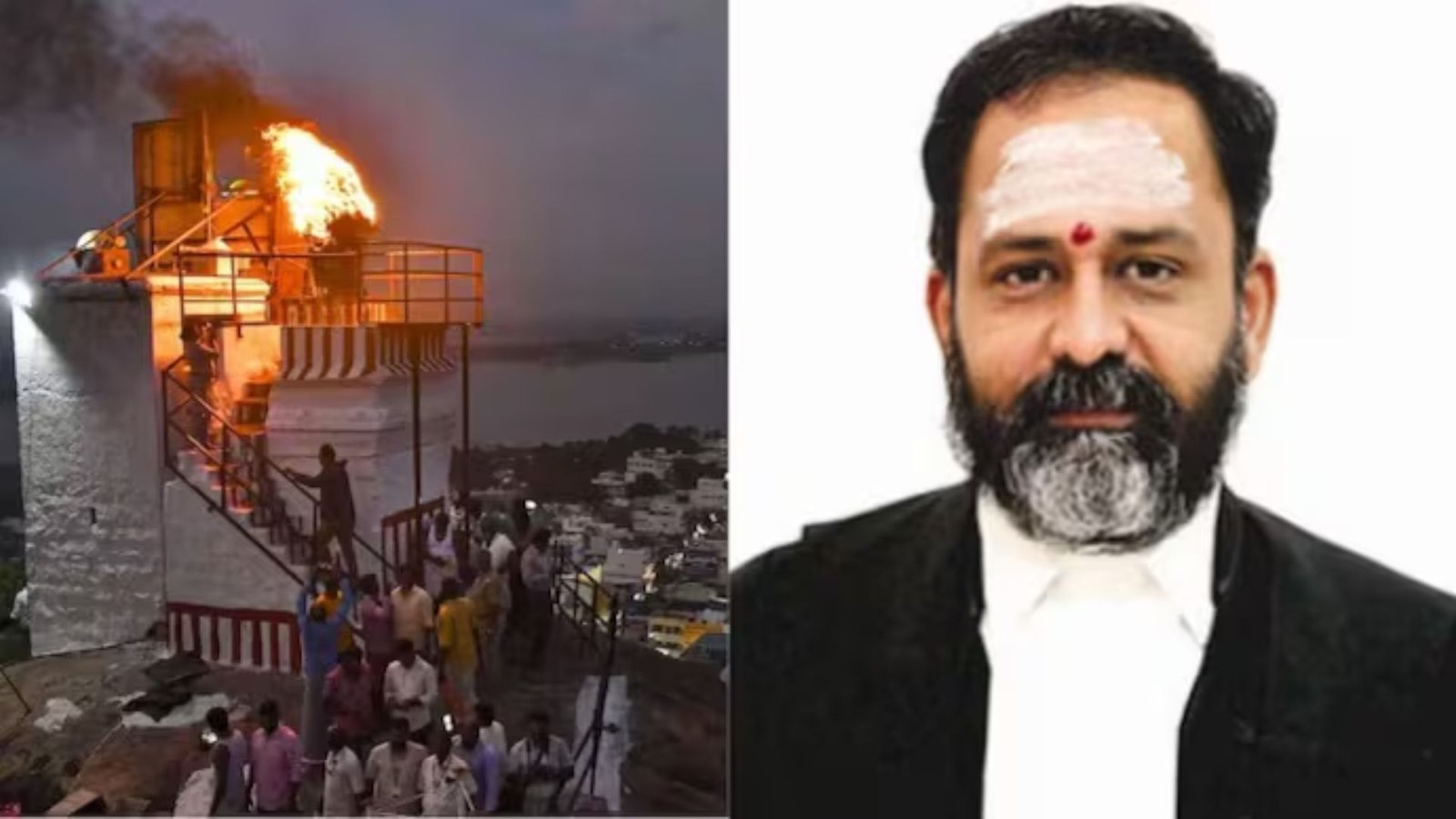
The Dravida Munnetra Kazagami (DMK) and several opposition Members of Parliament (MPs) have initiated moves to impeach Justice G.R. Swaminathan of the Madras High Court, citing alleged bias and anti-secular decisions that have sparked nationwide controversy. The impeachment drive, led by DMK leaders and supported by parties including the Indian National Congress and the Left frontline, argues that Justice Swaminathan’s rulings have undermined constitutional principles of secularism and fairness.
The allegations center on several landmark judgments, including one involving a dispute over temple land management where the judge allegedly favored a specific religious group. Critics claim this decision disregarded secular norms and demonstrated a lack of impartiality. Another contested ruling reportedly dismissed a petition seeking protection for minority communities, further fueling accusations of bias. Opposition leaders have characterized these decisions as evidence of a pattern that warrants judicial accountability through impeachment.
Under India’s constitutional framework, impeachment of a High Court judge requires a motion passed by both houses of Parliament with a special majority. The process is rare and reserved for grave misconduct or violation of the Constitution. DMK MPs argue that Justice Swaminathan’s actions meet this threshold, citing his alleged failure to uphold secularism—a fundamental pillar of the Indian state.
Legal experts have debated the merits of the impeachment effort. While some support the move as a necessary check on judicial overreach, others caution that impeachment should be used sparingly to avoid political interference in independent judiciary. The Bar Association of India has also weighed in, with divided opinions emerging among members. A statement from the association noted that while judicial independence is paramount, allegations of bias must be addressed through existing mechanisms unless extraordinary circumstances justify impeachment.
The Tamil Nadu government, led by Chief Minister M.K. Stalin, has backed the impeachment demand, framing it as a defense of secular values. Meanwhile, the central government has remained silent, with officials declining to comment on ongoing parliamentary proceedings. Legal analysts suggest the impeachment motion faces an uphill battle in Parliament, where the ruling alliance holds significant influence. However, the debate has reignited discussions about transparency and accountability within the judiciary.
Public reaction has been polarized. Protesters in Tamil Nadu have held rallies demanding justice, while others argue that political motives may underlie the impeachment push. Social media campaigns have amplified both sides, with hashtags like #ImpeachSwaminathan and #ProtectJudicialIndependence trending. The Madras High Court itself has issued a brief response, stating that it acts independently and will cooperate with parliamentary proceedings if required.
The outcome of this impeachment attempt could set a precedent for future judicial accountability in India. If successful, it would mark only the second time a High Court judge has been impeached since independence. Legal scholars emphasize that regardless of the result, the debate highlights the delicate balance between judicial independence and democratic oversight—a tension that remains central to India’s constitutional landscape.
Image Source: Google | Image Credit: Respective Owner