BofA Warns of Multiple Risks from Falling Rupee
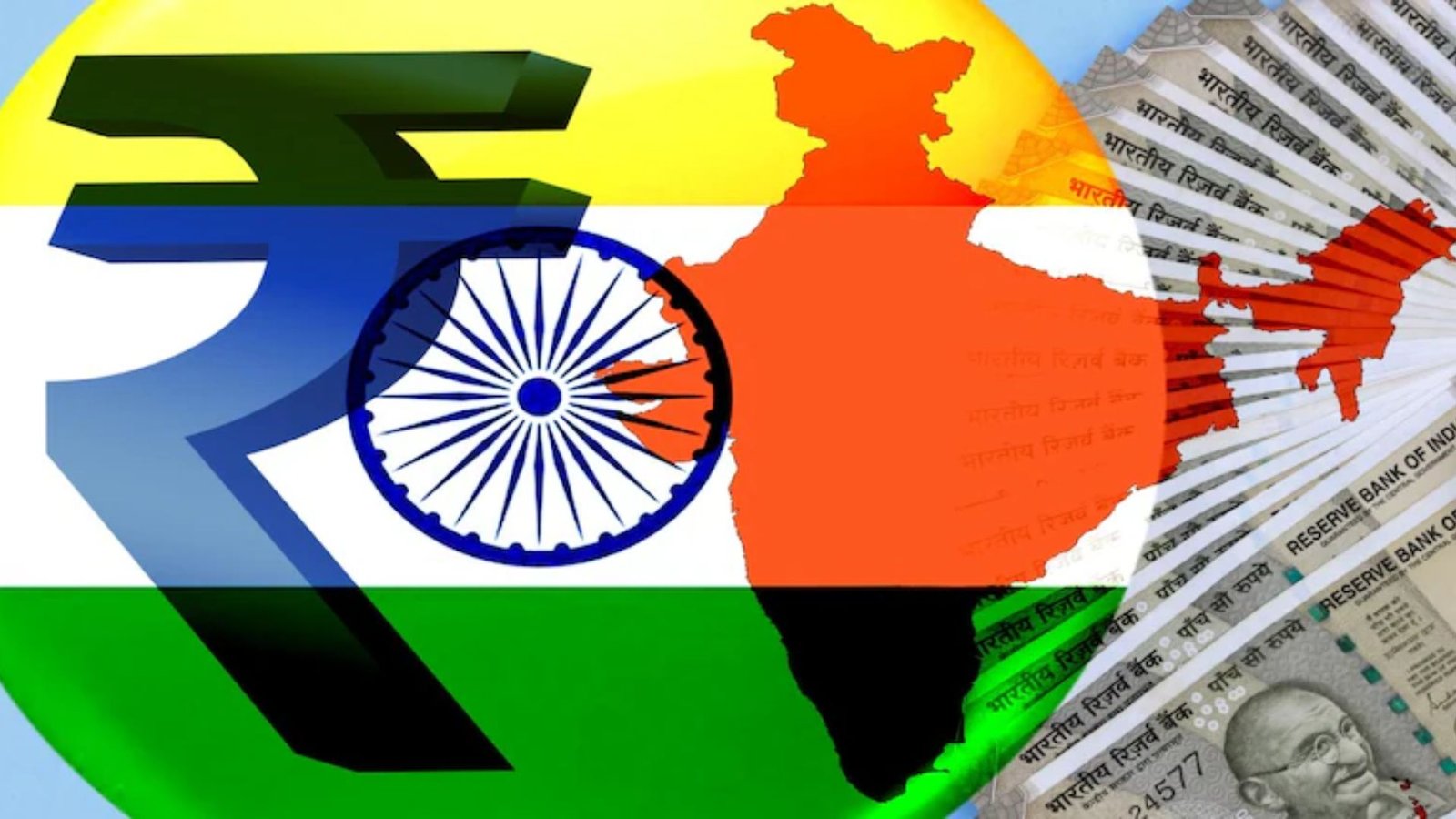
Bank of America has issued a stark warning that the weakening Indian rupee now poses a five-channel threat to the nation’s economic stability. In a recent analysis, the financial giant outlines how sustained depreciation could trigger cascading effects across key sectors, challenging growth prospects and fiscal planning. The rupee, which has lost significant value against major currencies, is not merely a symbol of exchange volatility but a catalyst for broader economic challenges.
The first threat highlighted is inflationary pressure. A weaker rupee makes imports more expensive, particularly for oil and essential commodities. As India relies heavily on imported fossil fuels, higher oil prices translate directly into elevated fuel costs. This passes through the economy, driving up transportation, manufacturing, and consumer goods prices. Central bankers face a dilemma: raising interest rates to curb inflation risks stifling growth, while keeping rates low risks hyperinflationary spirals.
Second, the depreciation threatens India’s trade balance. While a weaker currency can theoretically boost exports by making Indian goods cheaper globally, the reality is more complex. Many Indian exporters rely on imported raw materials, meaning their cost base also rises. Margins shrink, and competitiveness erodes. Simultaneously, the import bill balloons, particularly for oil, creating a wider trade deficit that pressures foreign reserve levels.
Thirdly, capital flows are at risk. Foreign investors often use emerging market currencies as barometers of risk. A depreciating rupee signals economic uncertainty, potentially triggering outflows as investors seek safer assets. This can starve domestic markets of capital, raise borrowing costs, and destabilize the stock and bond markets. The RBI may be forced to intervene heavily using foreign reserves to stabilize the currency, further depleting a critical buffer against external shocks.
The fourth channel involves corporate profitability. Many Indian companies have dollar-denominated debt. A weaker rupee means these debt servicing costs rise sharply in rupee terms. This can push marginally profitable firms into loss, trigger credit rating downgrades, and increase defaults. Banking sector stability comes under scrutiny, as non-performing assets rise and provisioning requirements climb.
Fifthly, psychological and political repercussions loom. Persistent currency weakness erodes consumer and business confidence. Expectations of further depreciation can become self-fulfilling, accelerating the decline. Politically, economic distress often translates into public dissatisfaction, testing governance stability and policy credibility. Long-term investment planning suffers as uncertainty deters multi-year projects.
BofA analysts stress that while the rupee’s trajectorydepends on global sentiment, domestic policy choices remain crucial. They advocate for credible monetary and fiscal measures to restore confidence, including transparent communication, targeted interventions, and structural reforms that boost productivity. The report concludes that mitigation strategies must address all five channels simultaneously to prevent isolated fixes from being overwhelmed by interconnected risks.
Image Source: Google | Image Credit: Respective Owner