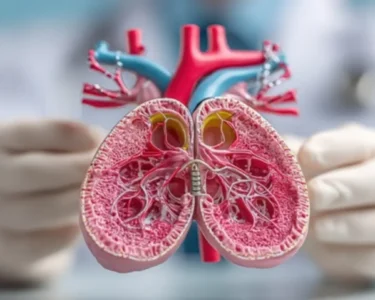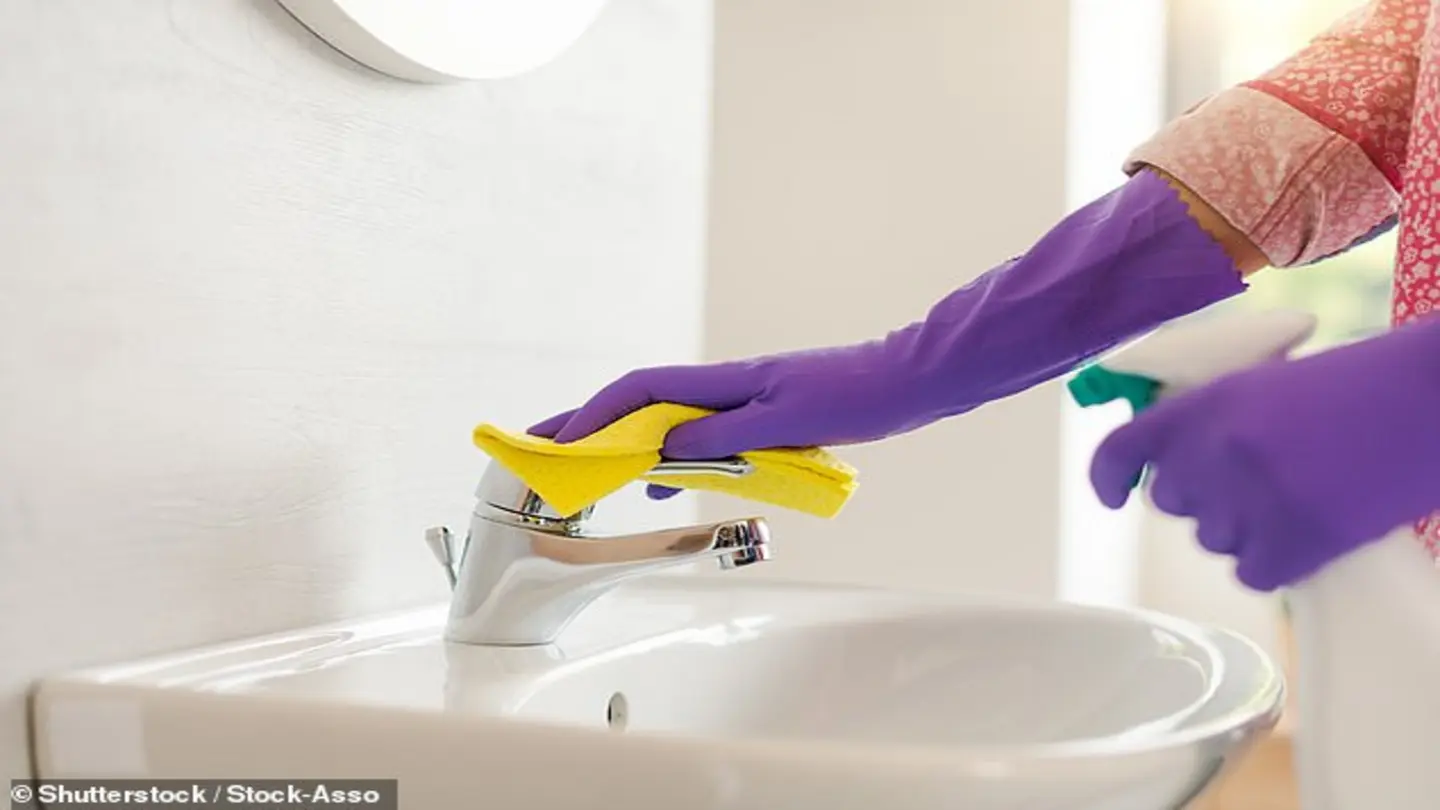
A recent warning from medical professionals highlights the severe risks associated with mixing common household toilet cleaning products. Dr. Anjali Sharma, a pulmonologist at Delhi General Hospital, has emphasized that combining certain cleaners can produce toxic gases that lead to serious lung damage and even life-threatening conditions.
The danger primarily arises from mixing ammonia-based cleaners with bleach or other chlorine-containing products. This chemical reaction generates chloramine gas, a highly irritating and dangerous substance that can cause immediate respiratory distress. Symptoms often include coughing, shortness of breath, chest pain, and in severe cases, pulmonary edema.
Chloramine exposure is particularly hazardous because its effects can be delayed; individuals may continue normal activities before suddenly experiencing severe respiratory failure hours later. Dr. Sharma notes that many households remain unaware of this risk despite the widespread availability of these cleaning agents.
Recent cases documented in Indian hospitals reveal patients admitted with acute respiratory syndrome after inadvertently mixing cleaning solutions. One instance involved a family that combined bathroom cleaners to enhance effectiveness, resulting in hospitalization for multiple members.
Understanding the Chemical Reaction
Ammonia (NH3) reacts with hypochlorite ions in bleach to form monochloramine (NH2Cl) and dichloramine (NHCl2), both of which are toxic to human lungs. These compounds irritate mucous membranes, damage lung tissue, and impair oxygen exchange. Prolonged exposure can lead to chronic bronchitis or permanent lung function reduction.
Experts recommend storing cleaning products in clearly labeled containers and never combining different agents—even if instructions suggest doing so for better results. Proper ventilation during cleaning and immediate evacuation after detecting strong fumes are critical safety measures.
To mitigate risks, consumers should read product labels carefully and use specialized cleaning sprays rather than mixing solutions. Emergency responders advise carrying a mask or respirator when dealing with chemical spills and contacting poison control centers immediately if accidental mixing occurs.
Public health advocates stress education as the primary defense against household chemical hazards. Community workshops and clear warning labels could significantly reduce accidental exposures, protecting families from invisible but devastating consequences of simple maintenance errors.
Image Source: Google | Image Credit: Respective Owner