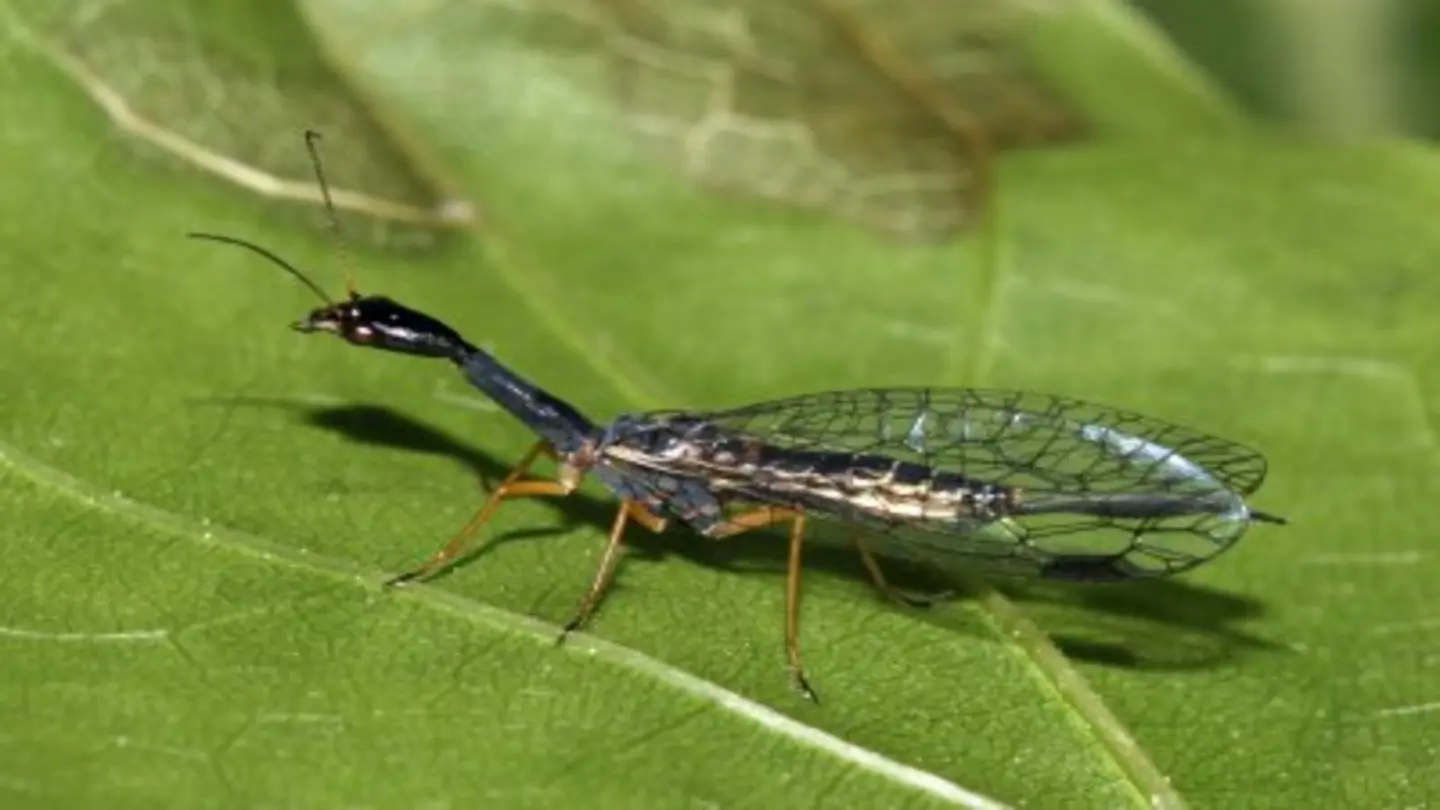
In a heated scientific debate, researchers are clashing over the origins of mosquitoes, with fossil evidence and genomic studies offering conflicting narratives. The dispute centers on whether mosquito lineages originated 100 million years ago, as suggested by ancient fossil records, or a more recent 30 million years ago, as indicated by genetic analysis.
Dr. Ananya Patel, a paleontologist at the Global Fossil Institute, argues that well-preserved fossils found in Cretaceous amber provide irrefutable evidence of mosquito existence during the dinosaur era. These fossils show intricate wing structures and Proboscis features nearly identical to modern mosquitoes, suggesting a much older lineage.
Conversely, genomicists led by Professor Kenji Tanaka at Tokyo Genomic University assert that molecular clock analyses point to a post-Kretaceous origin. Their studies of mitochondrial DNA across 3,500 insect species reveal that mosquito genomes show relatively recent divergence, aligning with the rise of flowering plants and new ecological niches.
This debate has profound implications for public health. Understanding mosquito evolution could help predict future disease vectors. If fossils are correct, mosquitoes have co-existed with vertebrates for millennia, potentially carrying pathogens since the Mesozoic era. Genetic timelines suggest more recent adaptation to human hosts.
The conflict also raises questions about scientific methodology. Fossil advocates critique genomic dating for relying on assumption-laden models, while geneticists counter that fossil records might represent isolated evolutionary dead ends rather than true ancestors.
Middle-ground perspectives emerged at last week’s International Entomology Symposium. Dr. Elena Gutierrez proposed integrating both datasets, suggesting mosquitoes might have undergone dramatic population bottlenecks that reset genetic clocks while maintaining physical continuity through fossils.
Advanced sequencing technologies now allow scientists to examine ancient DNA extracted from fossilized blood meals. Preliminary results from Guatemalan amber samples show genetic material consistent with both ancient and modern mosquito species, adding complexity to the discussion.
This ongoing controversy underscores the challenges in reconstructing deep evolutionary histories. As Dr. Patel concludes, “We’re not just debating mosquito origins – we’re re-examining how we define species emergence across geological time.” Future research combining paleogenomics may ultimately resolve this century-old scientific dispute.
Image Source: Google | Image Credit: Respective Owner