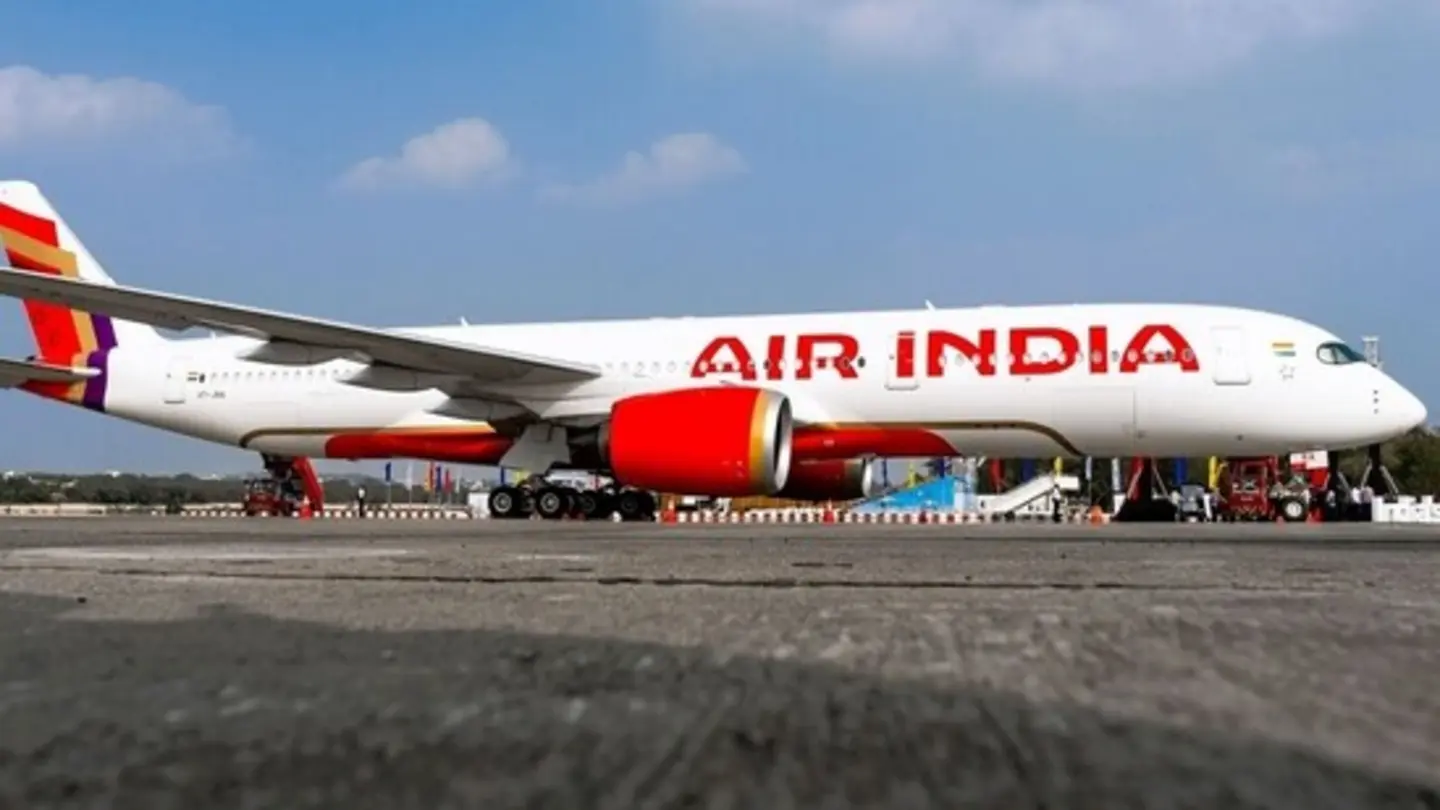
Air India has implemented new fare structures following a directive from the Indian government to impose price caps on domestic flights, amid ongoing operational challenges faced by competitor IndiGo. The move comes as part of broader regulatory efforts to stabilize the aviation sector amid volatile fuel prices and competitive pressures.
The government’s intervention, announced last week, aims to prevent excessive fare hikes that could burden travelers during peak travel seasons. Under the guidelines, airlines must adhere to maximum fare limits for certain routes, particularly affecting major domestic corridors such as Delhi-Mumbai and Bangalore-Chennai.
Air India, India’s flagship carrier, responded swiftly by revising its pricing strategy to align with the mandated caps. The airline introduced tiered fare options, balancing affordability for economy class passengers while maintaining premium pricing for business and first-class travelers. Industry analysts note that this approach reflects a strategic effort to retain market share without violating regulatory boundaries.
The timing of the fare revision coincides with IndiGo’s struggle to manage a crisis stemming from a spontaneous staff strike and maintenance delays. As India’s largest low-cost carrier, IndiGo’s operational disruptions have created opportunities for Air India to capture a larger segment of price-sensitive customers seeking reliable service.
Travel agencies and consumer advocacy groups have welcomed the government’s price cap initiative, stating it protects consumers from exploitative pricing during high-demand periods. However, some industry experts argue that rigid fare ceilings could hinder airlines’ ability to invest in fleet upgrades and infrastructure, potentially affecting long-term service quality.
Air India’s new fare structure includes enhanced baggage allowances and priority boarding for higher-tier tickets, aiming to differentiate its offerings in a crowded market. The carrier has also increased frequency on key routes to meet rising passenger demand, leveraging its revised pricing to boost revenue.
Officials from the Ministry of Civil Aviation emphasized that the price cap policy is a temporary measure designed to ensure fair pricing until market conditions stabilize. They further indicated that ongoing discussions with stakeholders will help refine regulatory frameworks to support sustainable growth in India’s aviation sector.
Industry observers predict that other domestic airlines will follow suit, adjusting their fare strategies to comply with the new guidelines. The collective compliance is expected to create a more level playing field, reducing instances of fare wars that can destabilize profit margins across the industry.
Passenger rights groups are monitoring enforcement of the price caps, urging transparency from airlines in displaying fare components. They highlight the importance of clear communication to avoid hidden charges that could negate the benefits of capped base prices.
As India prepares for upcoming festive travel periods, the interplay between regulatory oversight and market dynamics will remain a focal point for both airlines and travelers. The success of Air India’s new fare model may influence broader trends in pricing strategy across the country’s aviation landscape.
Image Source: Google | Image Credit: Respective Owner