India’s Diplomatic Balancing Act
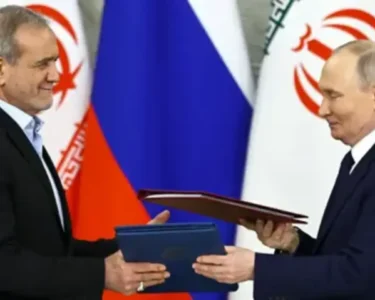
In a complex geopolitical maneuver, India finds itself navigating treacherous international waters as it hosts Russian President Vladimir Putin while simultaneously arranging a visit from Ukrainian President Volodymyr Zelenskyy. This delicate tightrope walk underscores New Delhi’s commitment to maintaining strategic autonomy amid global pressures.
The recent red-carpet welcome for Putin marks a significant gesture from the Modi government, reflecting decades-long ties with Moscow that predate Russia’s invasion of Ukraine. Despite mounting criticism from Western allies, India continues to advocate for diplomatic solutions, emphasizing its role as a potential mediator in the ongoing conflict.
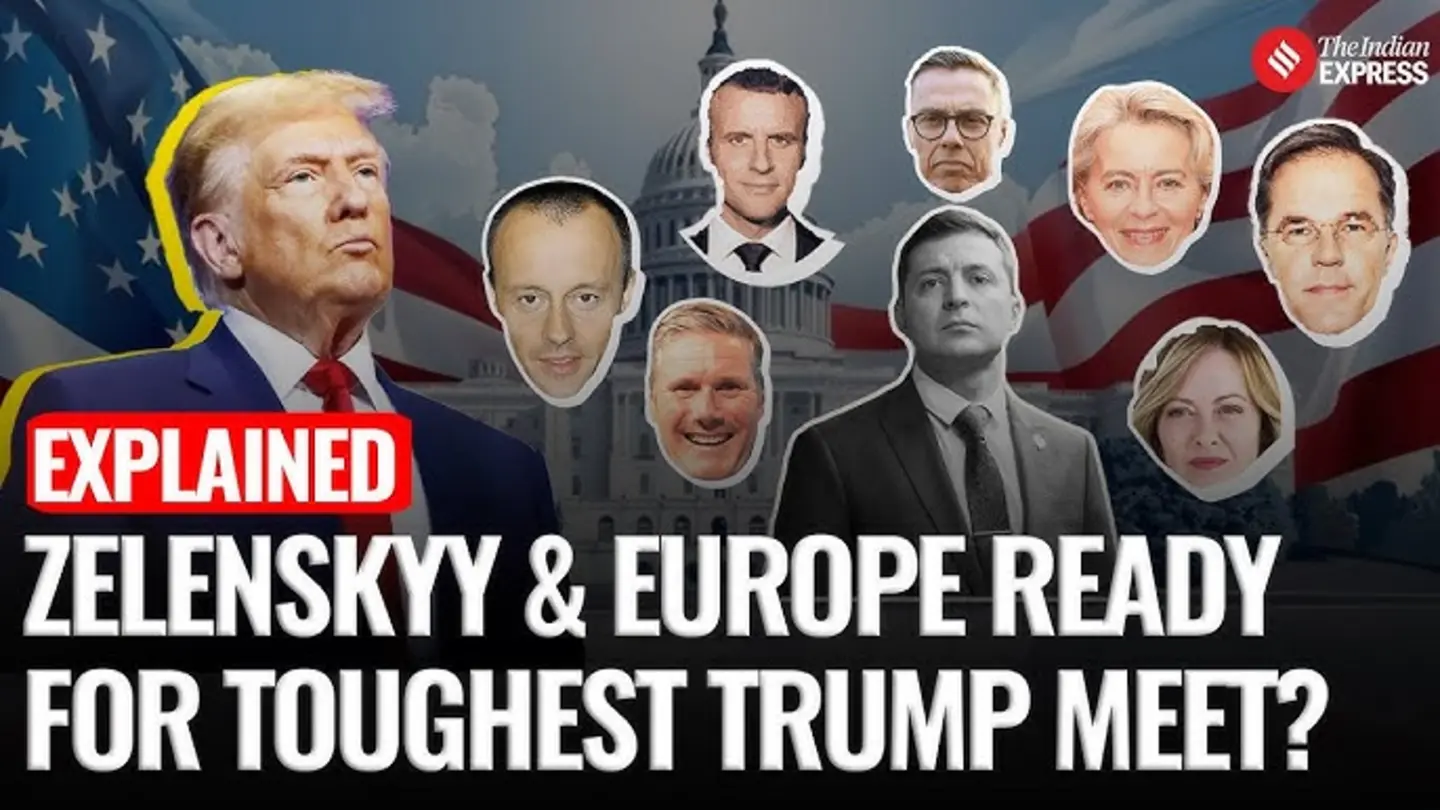
Officials in Delhi are currently negotiating specific dates for Zelenskyy’s anticipated trip, signaling a pragmatic approach to balancing relationships with both warring factions. The Ukrainian leader’s visit would represent a historic first, offering India an opportunity to demonstrate its commitment to supporting Ukraine’s sovereignty while avoiding explicit condemnation of Russian actions.
This dual engagement strategy has sparked debate both domestically and internationally. Critics argue that accommodating Putin contradicts statements of solidarity with Ukraine, while supporters highlight India’s energy security dependencies on Russia and historical trade relationships that cannot be abruptly severed.
The scheduling of these high-stakes visits coincides with growing scrutiny of India’s non-alignment stance. At multilateral forums, New Delhi has repeatedly called for humanitarian corridors and peaceful negotiations, positioning itself as a neutral party capable of facilitating dialogue between Moscow and Kyiv.
Economic considerations also play a crucial role in this diplomatic balancing act. Russia’s discount oil exports have significantly impacted India’s inflation metrics, providing short-term economic benefits that complicate more overt alignment with Western sanctions regimes.
International reactions to India’s approach have been mixed. While the United States and European Union express disappointment at perceived ambivalence toward Moscow, Asian neighbors appreciate New Delhi’s refusal to fully endorse NATO narratives, maintaining regional diplomatic flexibility.
Analysts suggest this diplomatic juggling act reflects India’s broader strategy of multi-vector engagement, where strategic autonomy takes precedence over rigid alignment with any single bloc. The outcome could shape regional power dynamics and set precedents for other Global South nations facing similar choices.
As global tensions remain high, India’s experience offers valuable insights into navigating complex international relationships when principle, pragmatism, and national interest intersect in unpredictable ways.
Image Source: Google | Image Credit: Respective Owner