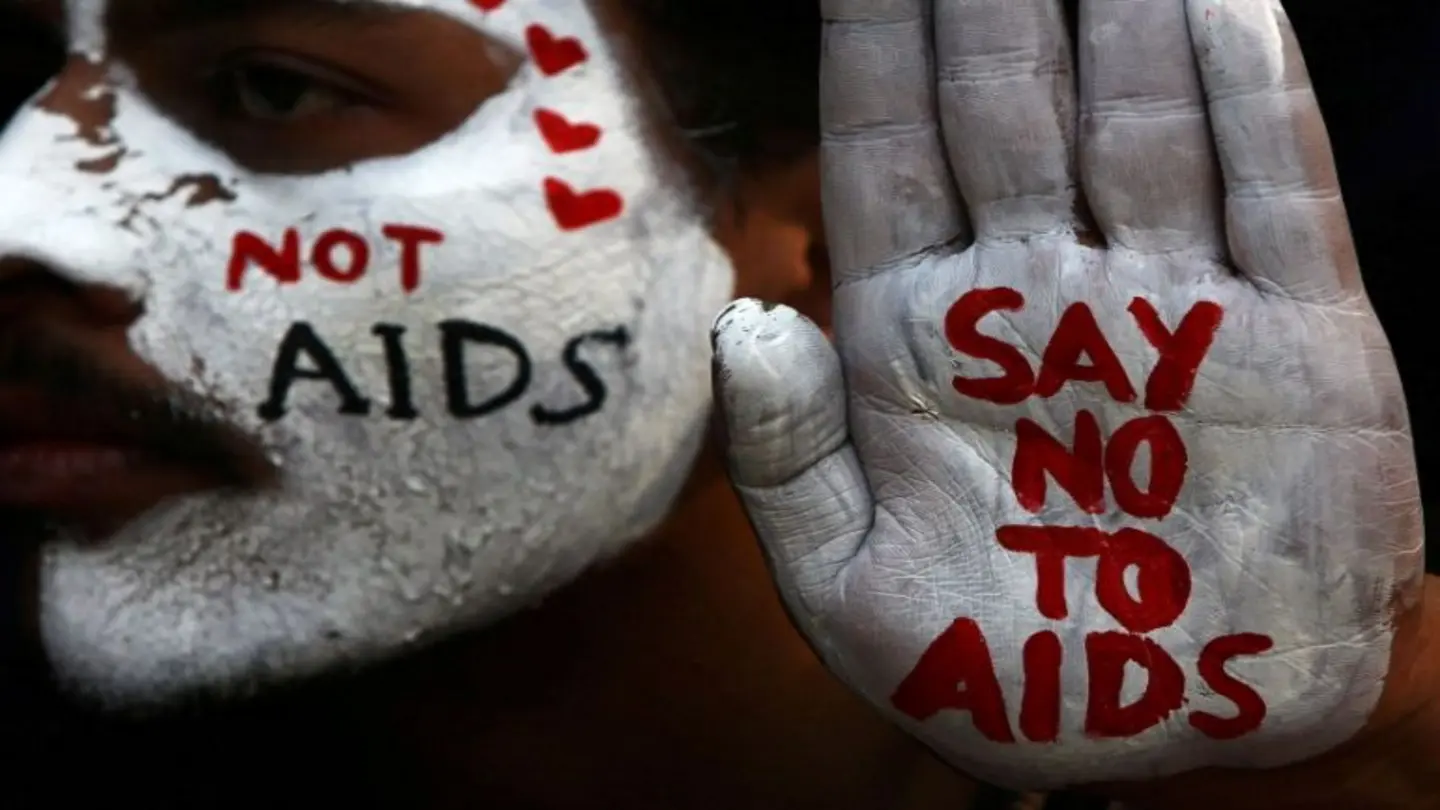
India has a significant opportunity to eliminate HIV/AIDS as a public health threat by 2030. This ambitious goal, aligned with global targets, requires intensified efforts and strategic interventions across various fronts. The current landscape presents both challenges and opportunities for India’s public health sector.
The HIV/AIDS epidemic, while significantly reduced in recent years, still affects a considerable population. Continued transmission, particularly among vulnerable groups, remains a concern. Addressing these challenges requires comprehensive prevention programs that include education, awareness campaigns, and access to condoms and pre-exposure prophylaxis (PrEP).
Key Strategies for Achieving the 2030 Goal
Achieving the 2030 goal necessitates a multi-pronged approach. Scaling up testing and treatment is crucial, ensuring that all individuals living with HIV are identified and initiated on antiretroviral therapy (ART). Sustained viral suppression through consistent ART adherence is vital for preventing further transmission and improving the health outcomes of those infected.
Targeted interventions for key populations, such as men who have sex with men (MSM), transgender individuals, sex workers, and people who inject drugs, are essential. These interventions should be tailored to their specific needs and delivered in a culturally sensitive manner. Community-based organizations play a vital role in reaching these populations and providing them with support and services.
Strengthening the healthcare system is also critical. This includes improving access to HIV testing and treatment in rural and underserved areas, training healthcare providers on HIV care, and ensuring a consistent supply of antiretroviral drugs. Integration of HIV services into primary healthcare settings can improve access and reduce stigma.
Addressing Stigma and Discrimination
Stigma and discrimination continue to be major barriers to HIV prevention and treatment. Addressing these issues requires comprehensive strategies that include public awareness campaigns, legal protections for people living with HIV, and training for healthcare providers and other professionals. Creating a supportive and inclusive environment is essential for encouraging people to get tested, access treatment, and live healthy lives.
Research and innovation are also important for developing new and improved HIV prevention and treatment strategies. This includes developing new vaccines, microbicides, and long-acting antiretroviral drugs. Investing in research and innovation will help India to stay ahead of the epidemic and develop more effective tools for controlling its spread.
The elimination of HIV/AIDS as a public health threat by 2030 is an achievable goal for India. By implementing comprehensive prevention programs, scaling up testing and treatment, addressing stigma and discrimination, and investing in research and innovation, India can protect its citizens from this deadly disease and build a healthier future for all.
Image Source: Google | Image Credit: Respective Owner