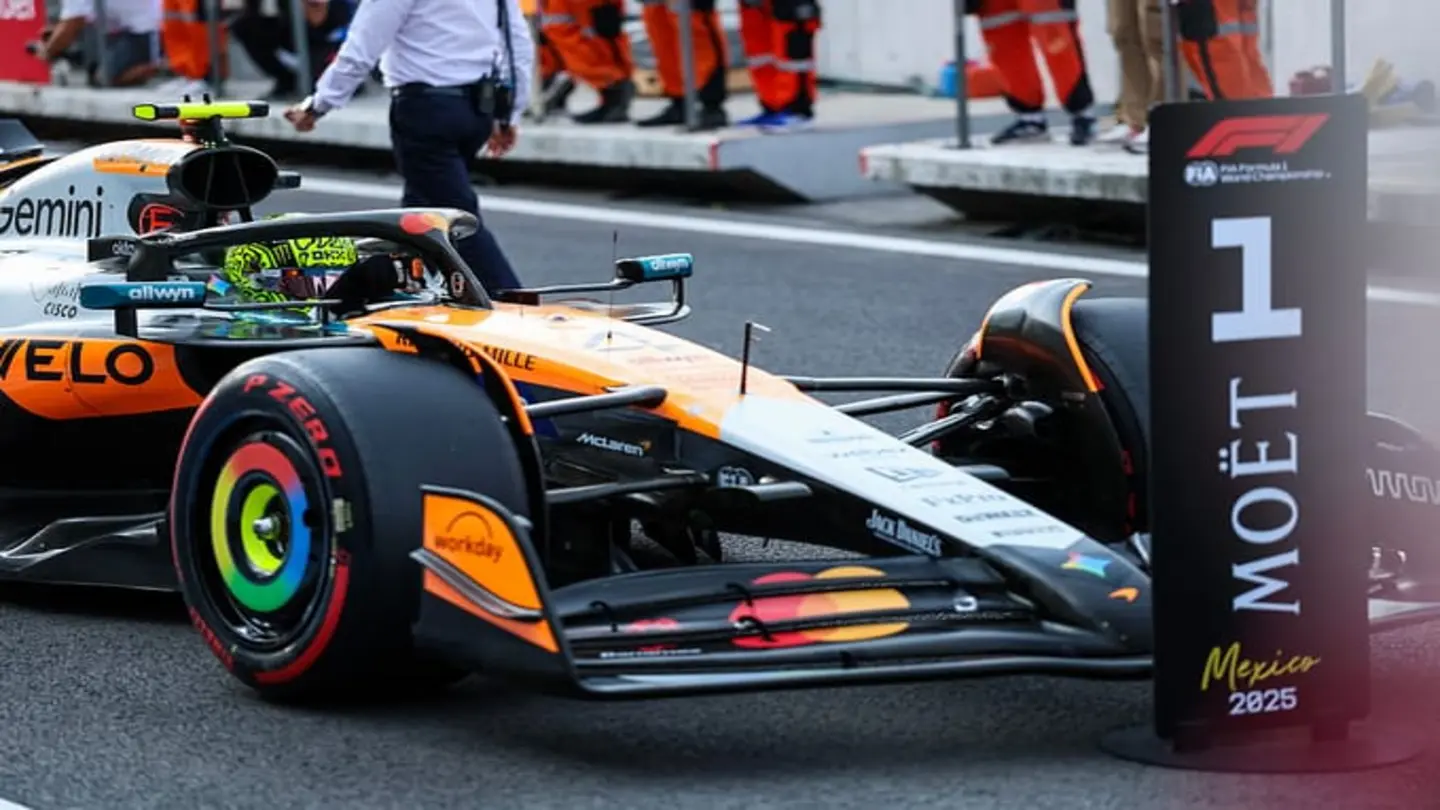
McLaren has stated that employing team orders to maximize their chances of winning the Formula 1 World Championship is simply “common sense.” This declaration comes amid growing speculation and debate about the potential use of such tactics as the season progresses and the championship battle intensifies.
The use of team orders, where one driver is instructed to assist their teammate, has always been a contentious issue in Formula 1. While some view it as a pragmatic strategy to secure the best possible outcome for the team, others see it as undermining the spirit of competition and denying drivers the opportunity to race freely. McLaren’s stance highlights the strategic complexities involved in managing a competitive driver lineup while aiming for championship glory.
Strategic Considerations
Andrea Stella, McLaren’s team principal, recently addressed the topic, emphasizing that the team’s primary objective is to win the championship, and all decisions will be made with that goal in mind. He noted that in situations where one driver has a significantly better chance of winning, it would be illogical not to support them. This perspective aligns with the historical use of team orders by various successful Formula 1 teams.
However, Stella also acknowledged the importance of maintaining a fair and transparent environment within the team. He stressed that any decision to implement team orders would be carefully considered and communicated to both drivers in advance. The key, according to Stella, is to ensure that the drivers understand the rationale behind the decision and that it is ultimately in the best interest of the team’s championship aspirations.
Historical Context
Team orders have a long and controversial history in Formula 1. One of the most infamous examples occurred at the 2002 Austrian Grand Prix, where Ferrari instructed Rubens Barrichello to allow Michael Schumacher to win. This incident led to widespread criticism and ultimately resulted in a ban on team orders, which was later lifted. More recently, teams like Mercedes and Red Bull have also faced scrutiny for their use of team orders.
The strategic decision to implement team orders often depends on various factors, including the drivers’ positions in the championship standings, the performance of the car, and the specific circumstances of the race. Teams must weigh the potential benefits of securing a race win or maximizing points against the risk of alienating their drivers and damaging team morale.
For McLaren, with its current driver lineup of Lando Norris and Oscar Piastri, the decision to employ team orders will likely be a crucial factor in their championship campaign. As the season unfolds, their approach to this delicate balance will be closely watched by fans and competitors alike. McLaren’s emphasis on “common sense” suggests a willingness to make tough decisions, but the challenge lies in executing those decisions fairly and effectively.
Image Source: Google | Image Credit: Respective Owner