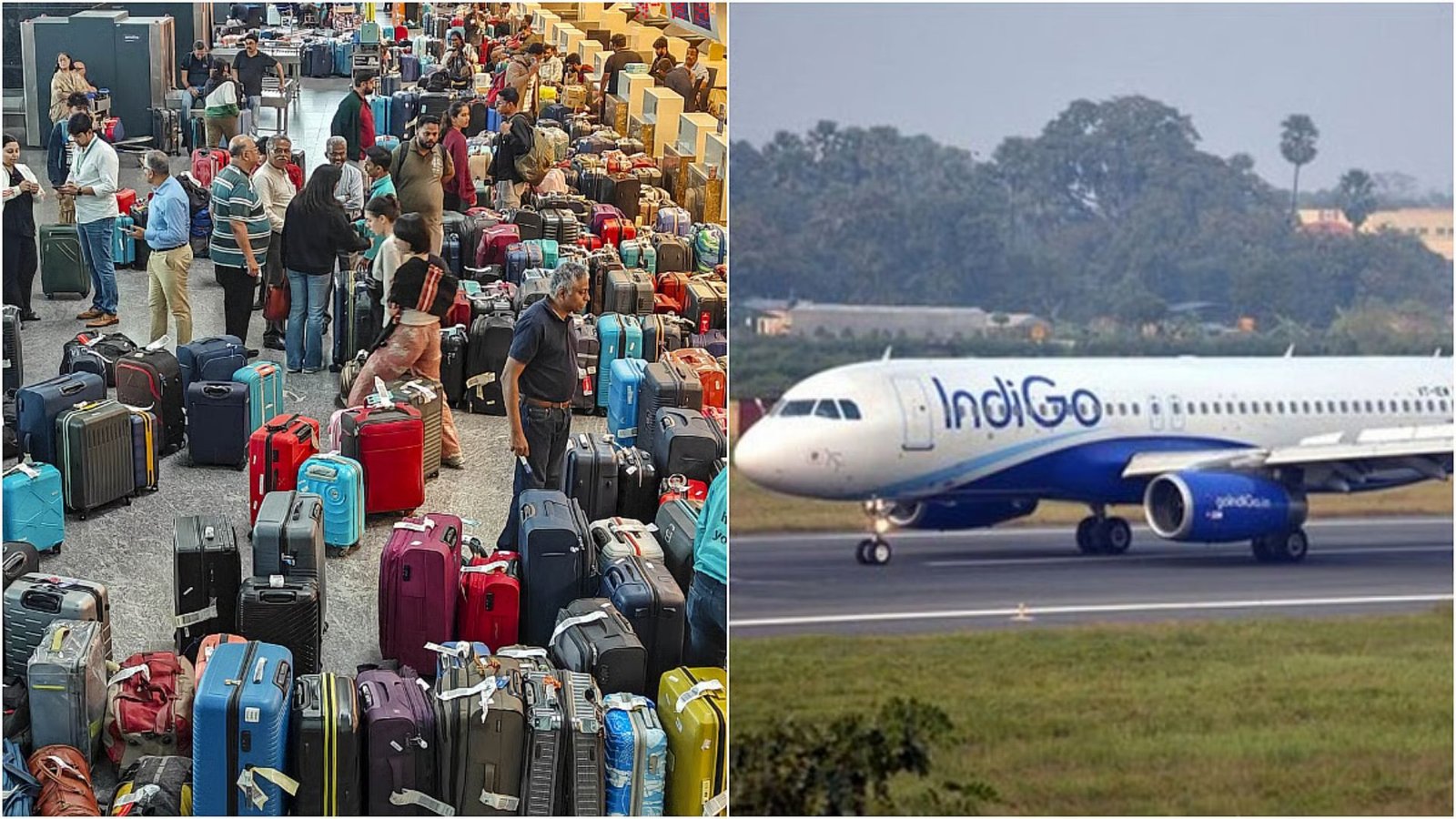
India’s aviation sector is grappling with significant disruption as its largest airline has cancelled over 1,000 flights, leaving thousands of passengers stranded and facing travel uncertainty. The cancellations, reported by the Financial Times, have sparked widespread concern and frustration among travelers across the country.
Reasons Behind the Cancellations
While the exact reasons for the mass cancellations remain somewhat unclear, initial reports suggest a combination of factors may be at play. These include operational issues, potential staff shortages, and possibly even fleet-related concerns. The airline has yet to issue a comprehensive statement detailing the precise cause, further fueling speculation and anxiety among the affected public.
The sudden and widespread nature of the cancellations has placed immense pressure on airport infrastructure and personnel. Passengers are reportedly facing long queues, delays in rebooking flights, and difficulties in obtaining clear information from airline representatives. Social media platforms are flooded with complaints and grievances from stranded travelers detailing their experiences.
Impact on Passengers
The impact of the flight cancellations extends beyond mere inconvenience. Many passengers are missing crucial business meetings, family events, and medical appointments. The financial burden of rebooking flights, securing alternative transportation, and arranging accommodation is also weighing heavily on those affected. The disruption is particularly acute for those traveling to remote or less accessible areas of India, where alternative travel options are limited.
Industry analysts are closely monitoring the situation, assessing the potential long-term consequences for the airline and the broader aviation sector. The cancellations could damage the airline’s reputation, erode customer trust, and potentially lead to financial losses. The incident also raises questions about the resilience of India’s aviation infrastructure and the preparedness of airlines to handle unforeseen operational challenges.
Government Response and Future Outlook
The Indian government is likely to take a keen interest in the situation, given the significant disruption to air travel and the potential impact on the economy. Authorities may launch an investigation to determine the root cause of the cancellations and assess whether the airline adhered to regulatory requirements. Measures may also be taken to prevent similar incidents from occurring in the future, potentially including stricter oversight of airline operations and enhanced contingency planning protocols.
As the airline works to restore normalcy and re-accommodate affected passengers, the focus will be on effective communication, transparent information sharing, and efficient handling of rebooking and refund requests. The incident serves as a stark reminder of the complexities and vulnerabilities inherent in the aviation industry and the importance of robust operational management and proactive crisis response.
Image Source: Google | Image Credit: Respective Owner