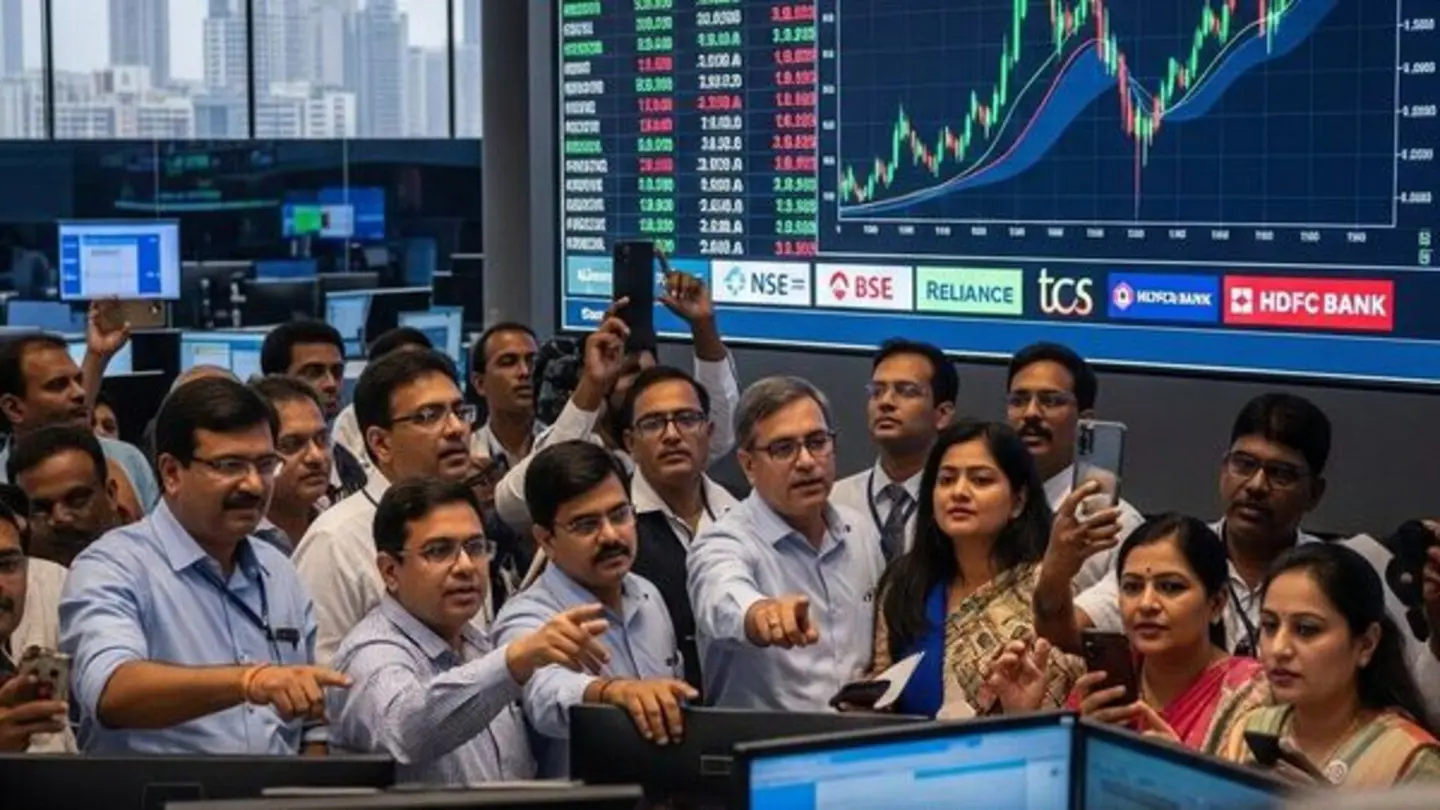
The Indian stock market witnessed a significant surge on Friday, with the Sensex climbing 447 points and the Nifty closing at 26,186. This positive momentum was largely fueled by investor optimism following the Reserve Bank of India’s (RBI) decision to cut key interest rates. The rate cut is expected to boost economic growth by lowering borrowing costs for businesses and consumers alike.
The RBI’s monetary policy committee (MPC) voted to reduce the repo rate, the rate at which the central bank lends to commercial banks, by 25 basis points. This move aims to stimulate investment and consumption, thereby supporting overall economic activity. The market reacted favorably to this development, with banking, financial services, and auto stocks leading the gains.
Market Movers
Among the top performers on the Sensex were major players in the financial sector, including HDFC Bank, ICICI Bank, and State Bank of India. These banks are expected to benefit from the lower interest rate environment, which could lead to increased lending activity and improved profitability. Auto stocks also saw a significant uptick, with companies like Maruti Suzuki and Tata Motors posting strong gains, anticipating higher demand due to reduced borrowing costs for vehicle purchases.
The positive sentiment extended to broader market indices as well, with mid-cap and small-cap stocks also showing robust performance. This indicates a widespread optimism across the market, suggesting that investors believe the RBI’s rate cut will have a positive impact on companies of all sizes.
Expert Views
Market analysts believe that the RBI’s rate cut is a welcome step in the current economic scenario. They anticipate that it will provide a much-needed stimulus to the economy, which has been facing challenges due to global uncertainties and domestic slowdown. However, some experts also caution that the rate cut alone may not be sufficient to address all the economic challenges and that further measures may be needed to boost growth.
The impact of the rate cut on inflation remains a key concern. While the RBI expects inflation to remain within its target range, some analysts worry that lower interest rates could lead to higher inflation in the long run. Therefore, the central bank will need to carefully monitor inflation trends and take appropriate measures to keep it under control.
Global Cues
In addition to the RBI’s rate cut, positive global cues also contributed to the market rally. Favorable economic data from the United States and easing trade tensions between the US and China boosted investor confidence worldwide. These global factors, combined with the domestic stimulus, created a conducive environment for the Indian stock market to thrive.
Looking ahead, market participants will be closely watching the government’s upcoming budget and its policy announcements. Further reforms and initiatives aimed at boosting investment and consumption could provide additional impetus to the market. Overall, the current outlook for the Indian stock market appears positive, with analysts expecting continued growth and stability in the coming months.
Image Source: Google | Image Credit: Respective Owner